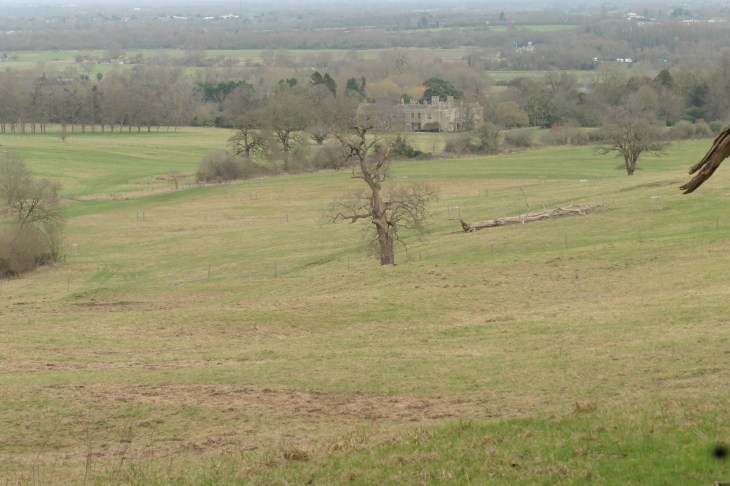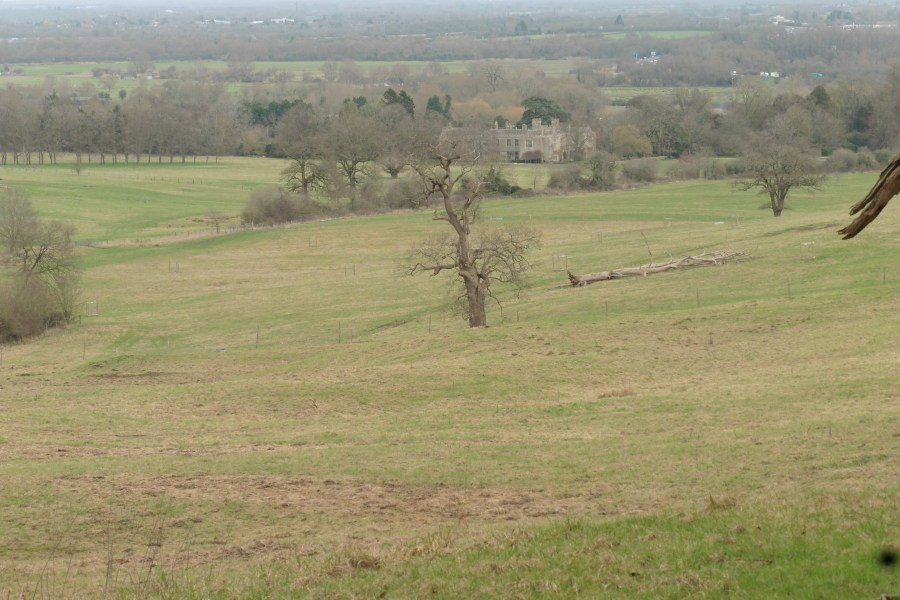
The Old Man has been taking advantage of the fine weather to do some plant collecting for the Herbarium, nothing particularly special, just adding to the places on the Wytham Estate from which we have recent specimens of common species. The other week I had a wander through the Park.
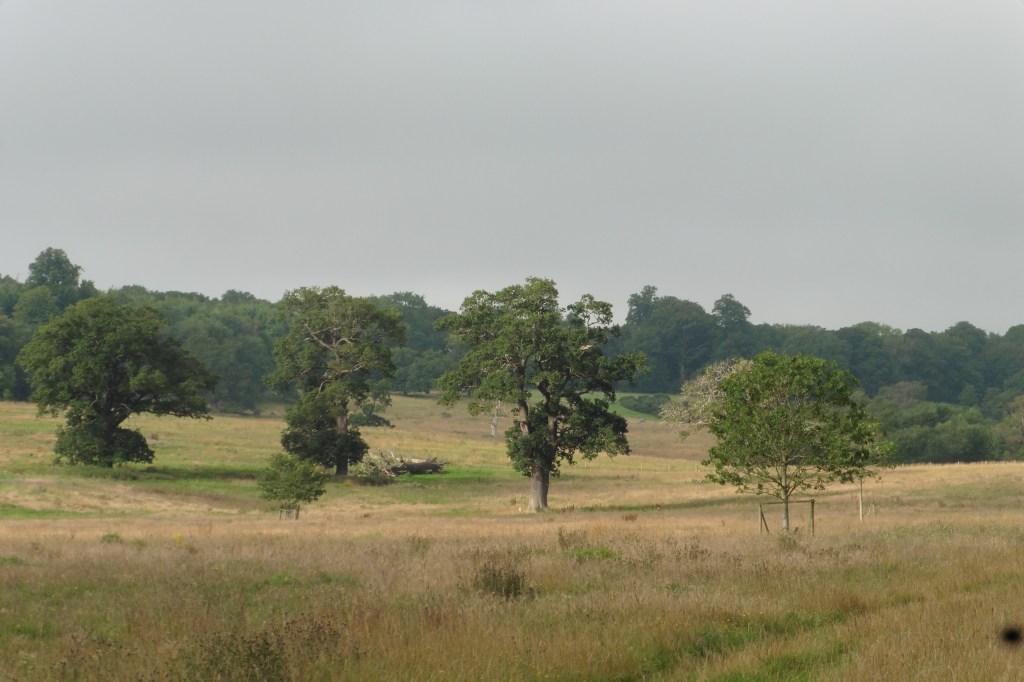
A view of Wytham Park
It would be nice to think this was once a medieval deer park, but the evidence says not. Various maps show it as just part of the ordinary farmland up until 1800. Then in the early 19th century the Fifth Earl moved his base to the rebuilt large house in Wytham village (called Wytham Abbey, but it was never an Abbey) and decided he wanted to look out on to parkland. A small wood was in the middle of the view, so this was cleared, probably leaving any large oaks that had been standards amongst the coppice. Other trees were planted or seedlings protected to give a parkland feel. Small clumps were put in to help define the skyline – hey presto a renovated mansion with requisite park. A few deer were kept in the park, but during the 20th century it was worked as part of the Home Farm, later absorbed into the University/ Northfield Farm. The grassland has been improved over most of the area and at times it has been arable. In the last few years it has been grazed by cattle as part of a regenerative agriculture system. Some of the trees from the 19th C still survive but others have been lost.
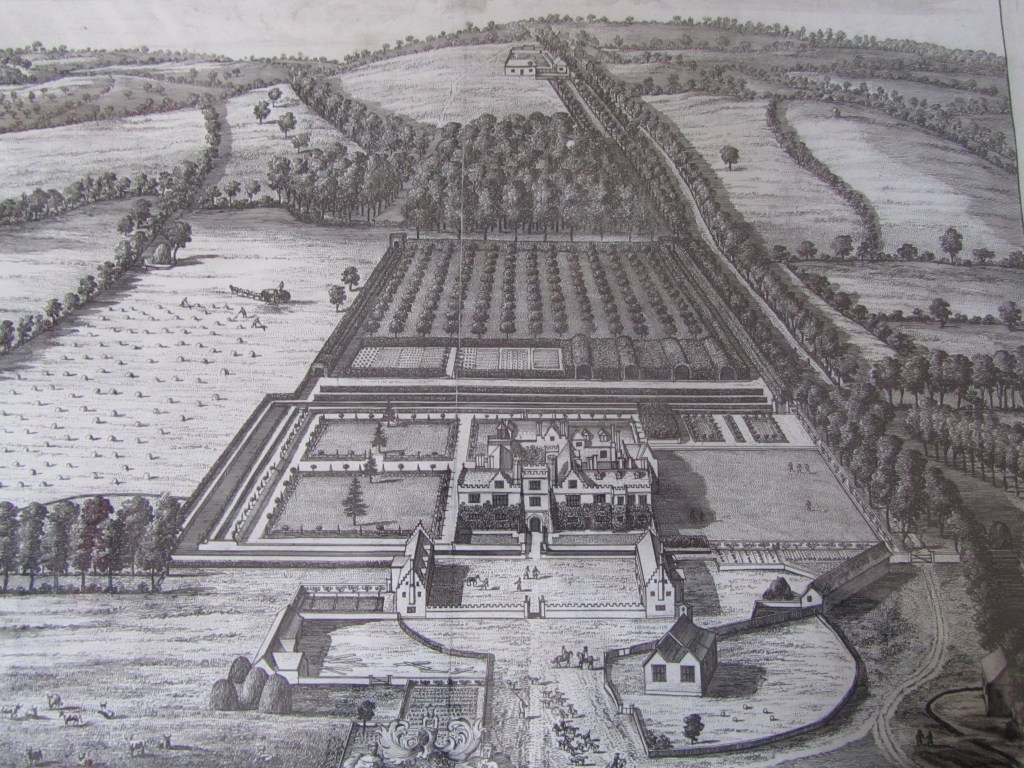
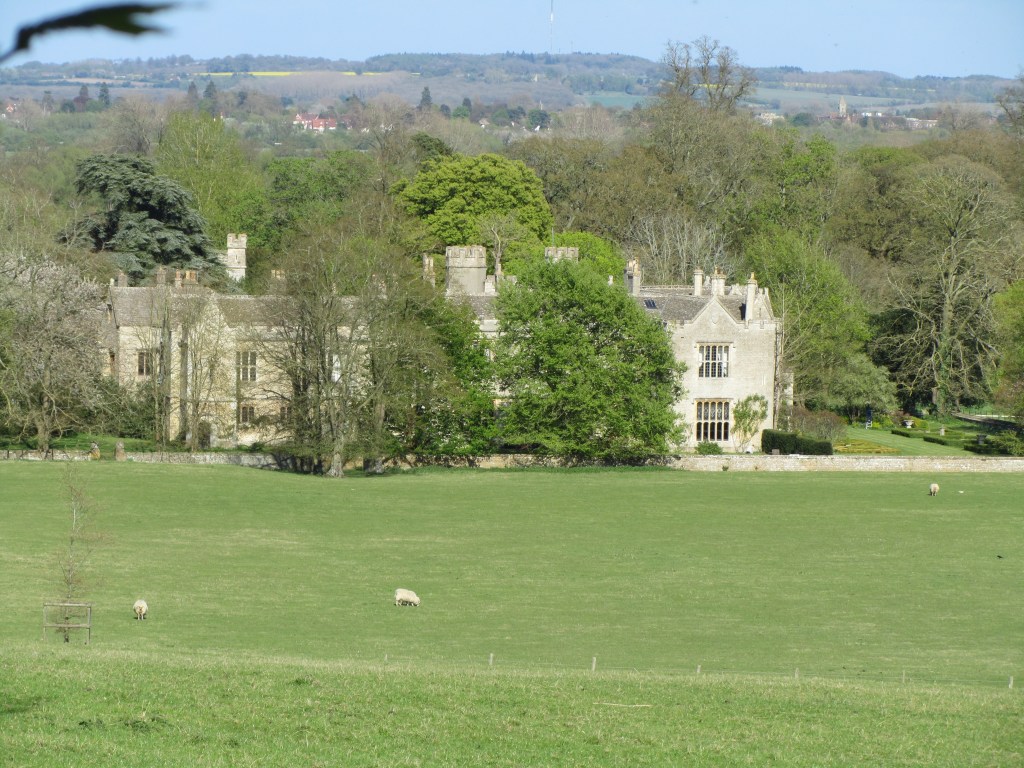
An idealised image of Wytham Abbey and its surroundings, c.1780; the Abbey today from the park.
Old parkland generally is an important habitat, because of its veteran and ancient trees, with their rich populations of deadwood invertebrates, fungi and lichens. Wytham was downwind of a power station for many years until it closed recently, which means lichens are not very rich and the fungal record is similarly limited. So, what about deadwood beetles?
The Wytham Estate in the early 1980s got to about twelth in a listing of important sites for saproxylic invertebrates, mainly from the trees in the woodland, because it had been more heavily surveyed at that time than most other places. This was a legacy of work by Charles Elton and colleagues in the 1950s and 1960s; Monks Wood in Cambridgeshire similarly had a high beetle count as a consequence of Colin Welch’s regular lunchtime walks. With the increased awareness of the importance of old trees and dead wood in the 1990s, led by the Ancient Tree Forum and the agencies’ Veteran Tree Initiative, many more sites were looked at. Wytham (and Monks Wood) slipped down the lists.
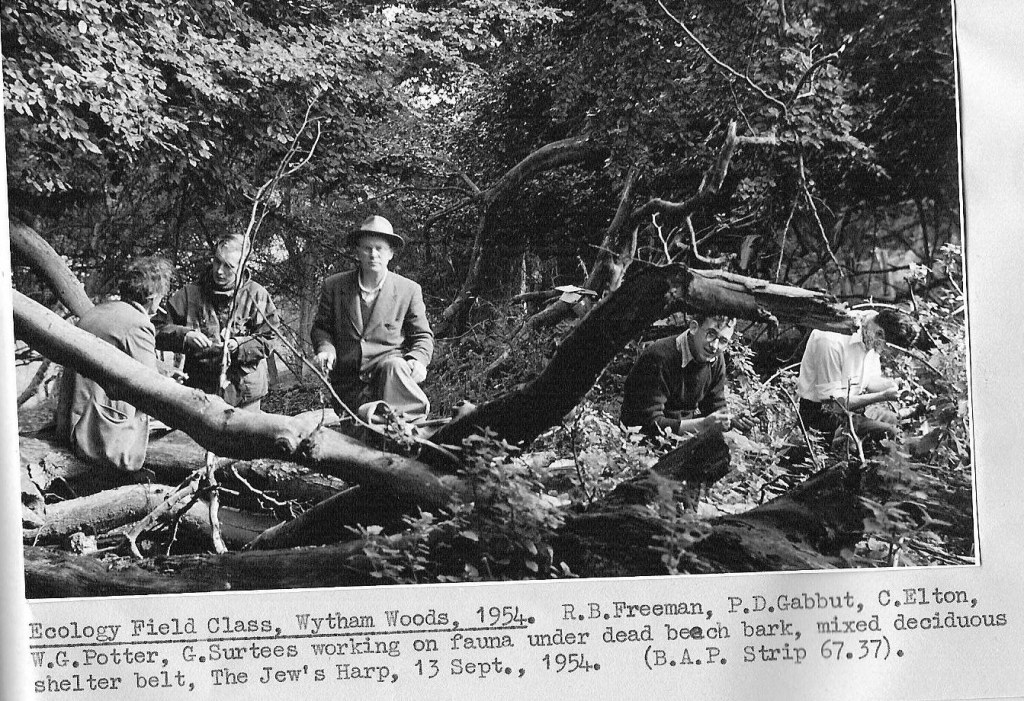
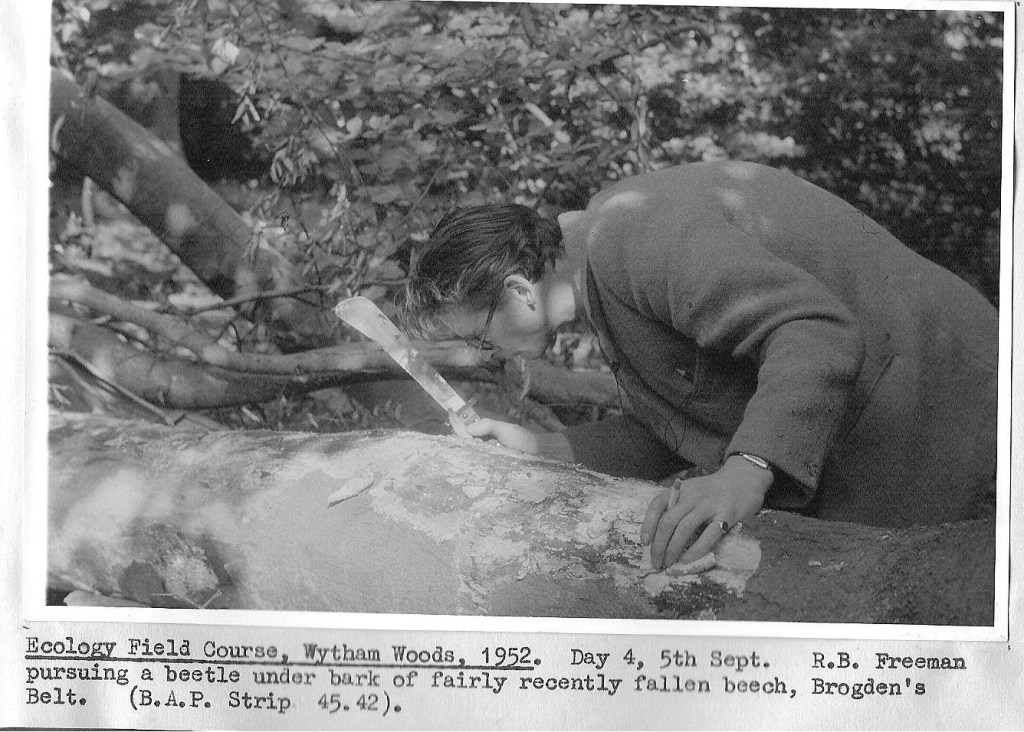
1950s ecological surveys of dead wood
The Estate is not particularly rich in ancient trees – unlike Blenheim High Park just up the road – but it does contain a good number of veteran oaks in various states of decay. Most of these are in the woodland where they have been being outgrown by the cohort of ash and sycamore that got away following the death of rabbits from myxomatosis in the 1954. In parts of the Woods they have now been haloed to help their survival. The parkland trees though fewer in number may have more chance of going on to become ancients in future. It was one of the parkland oaks that George McGavin used for his TV programme on the a year in the life of an oak tree.
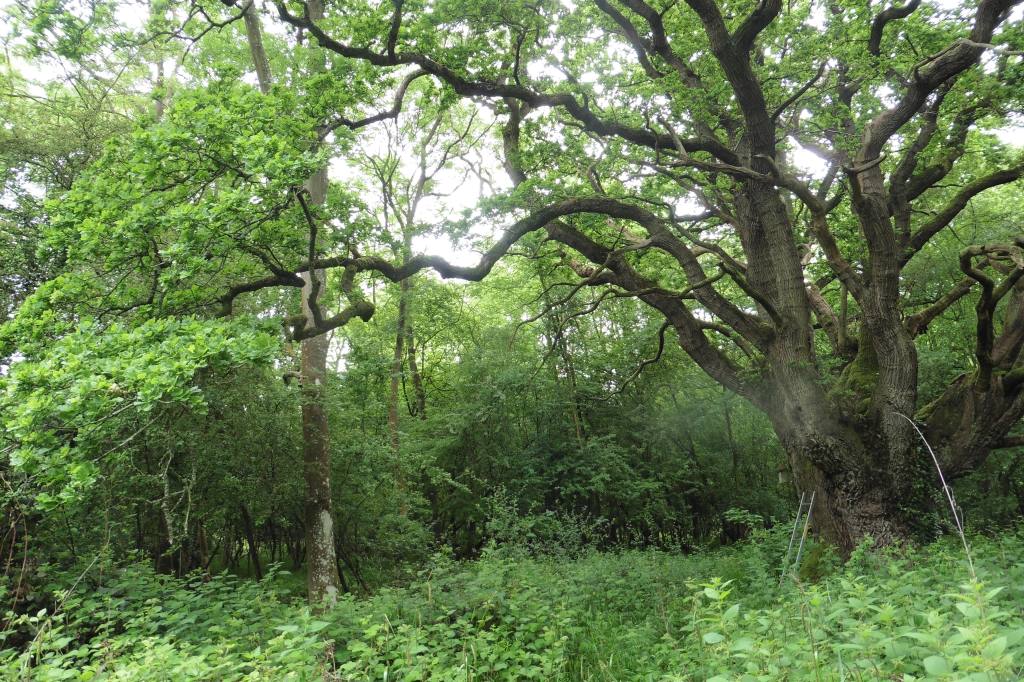
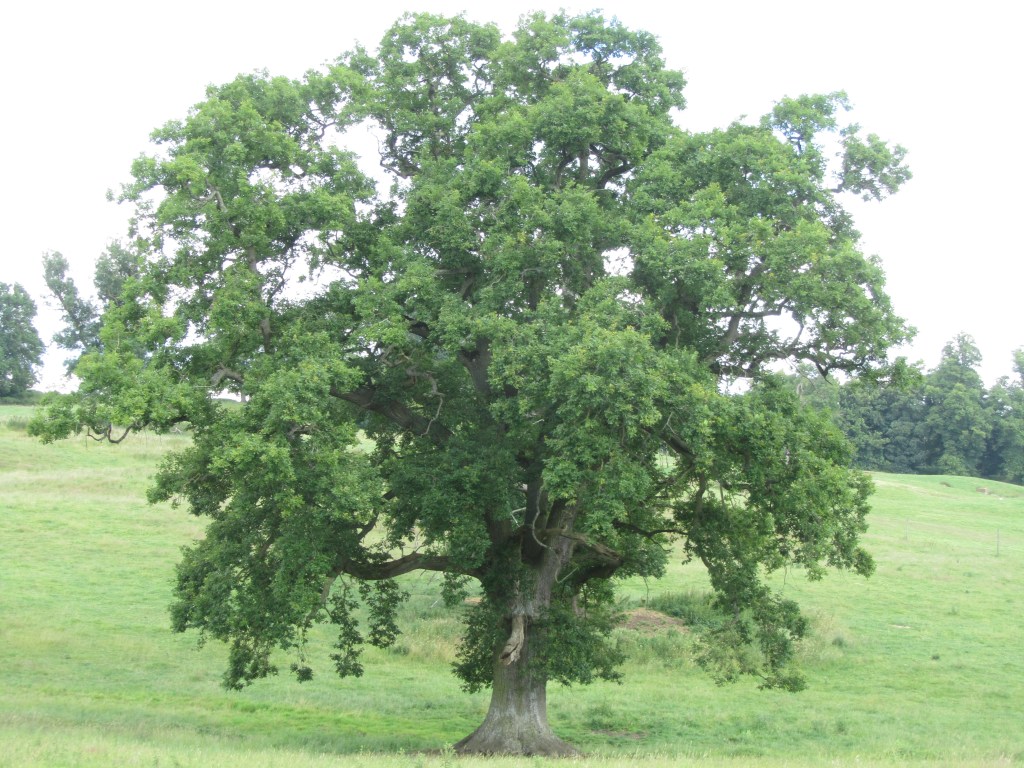
Probably the oldest oak on the Estate, with encroaching ash; one of the parkland oaks.
There are discussions going on about planting some new trees in the park to replace those that have been lost over the last century. Oak will probably predominate, but where should these come from? The park at Wytham is not ancient, some of the trees may be of local origin but others not. There is not a particularly strong case for insisting that only Wytham-sourced trees are used, although there are seedlings starting to come up amongst the grass in places.
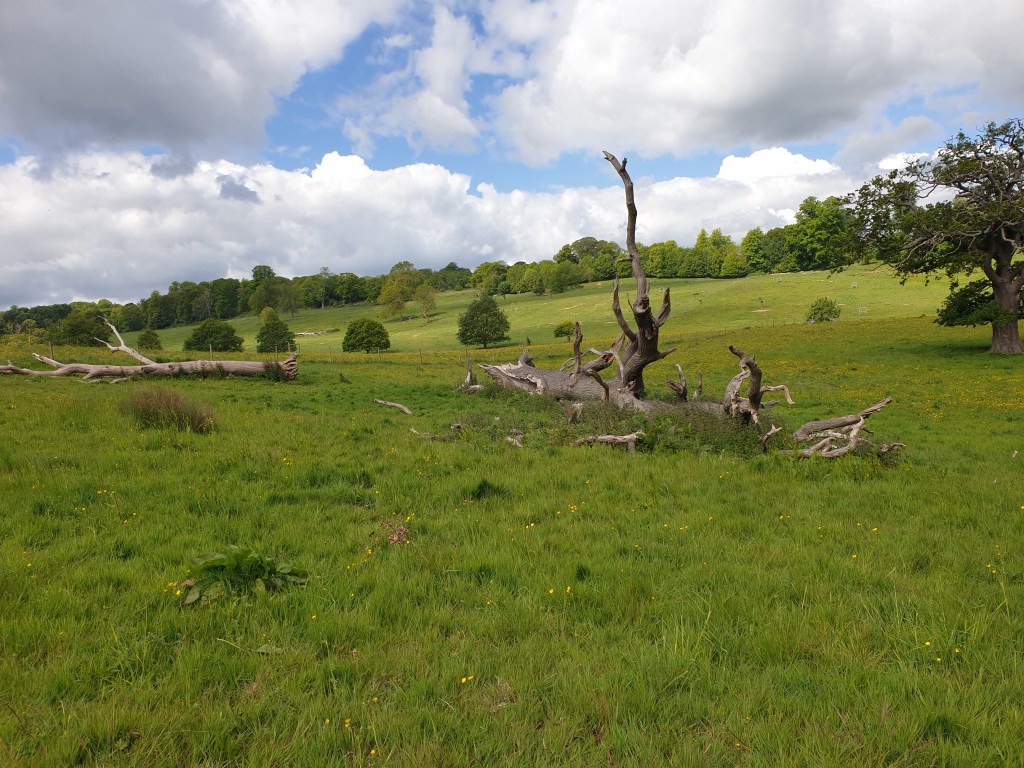
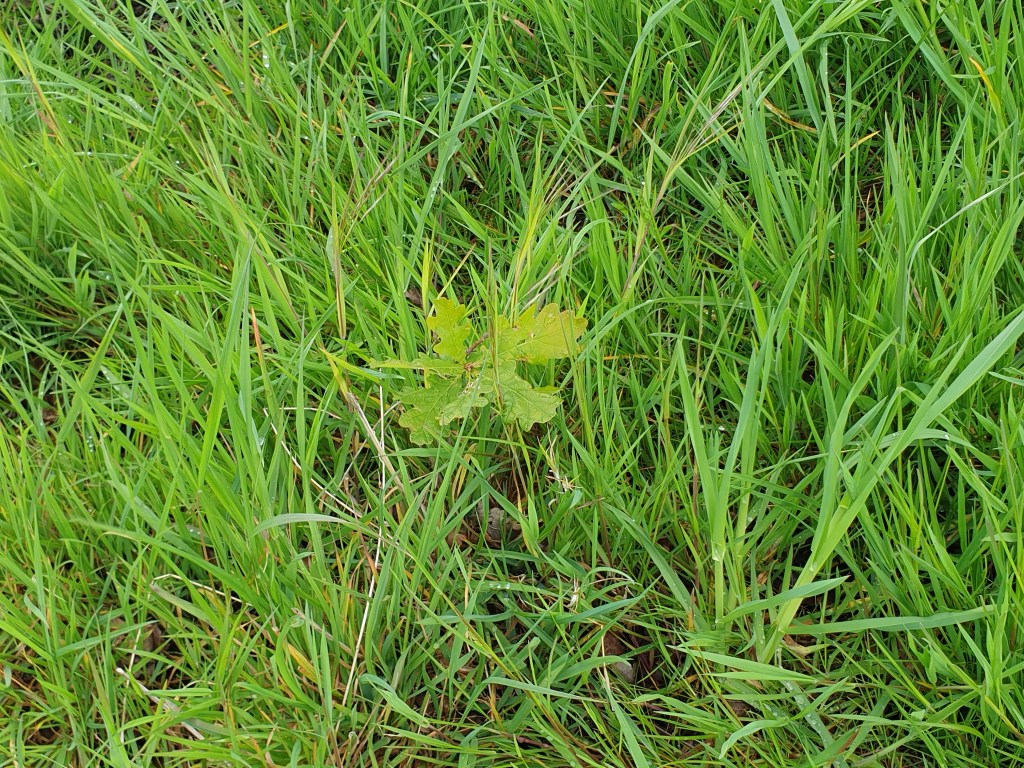
A tree of the past and one of the future?
Perhaps any replanting could be laid out as a long-term experiment to test for ability to adapt to climate change: deliberately plant some oak from parkland sites further south in Britain with a paired Wytham-origin tree; and make some of these into triplets with the third tree being of another species such as lime or sweet chestnut that might be more adapted to our future climate?
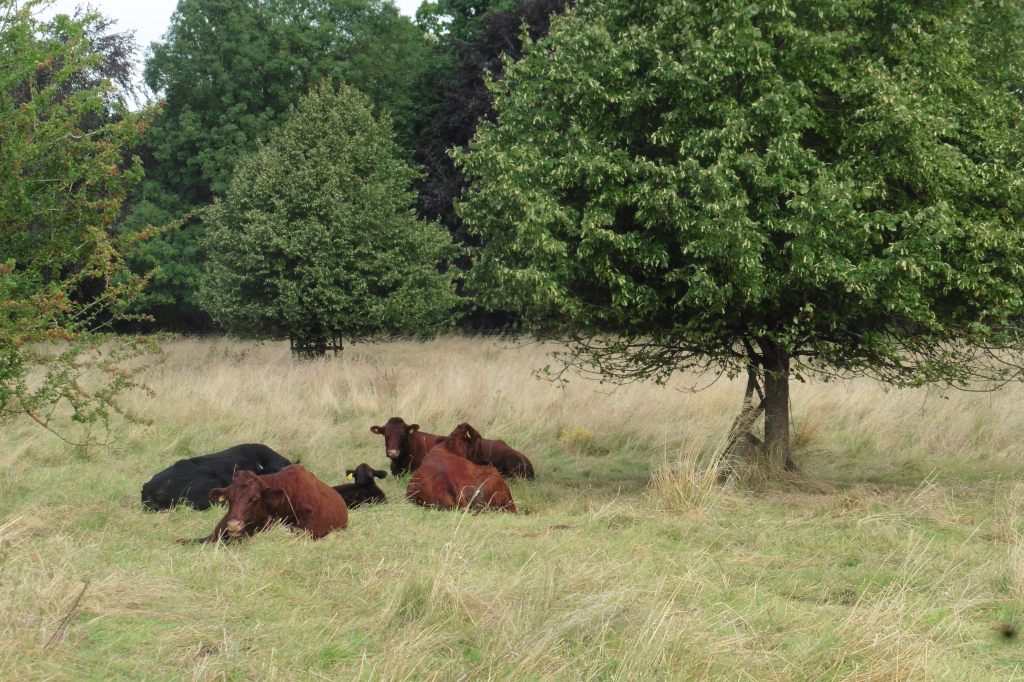
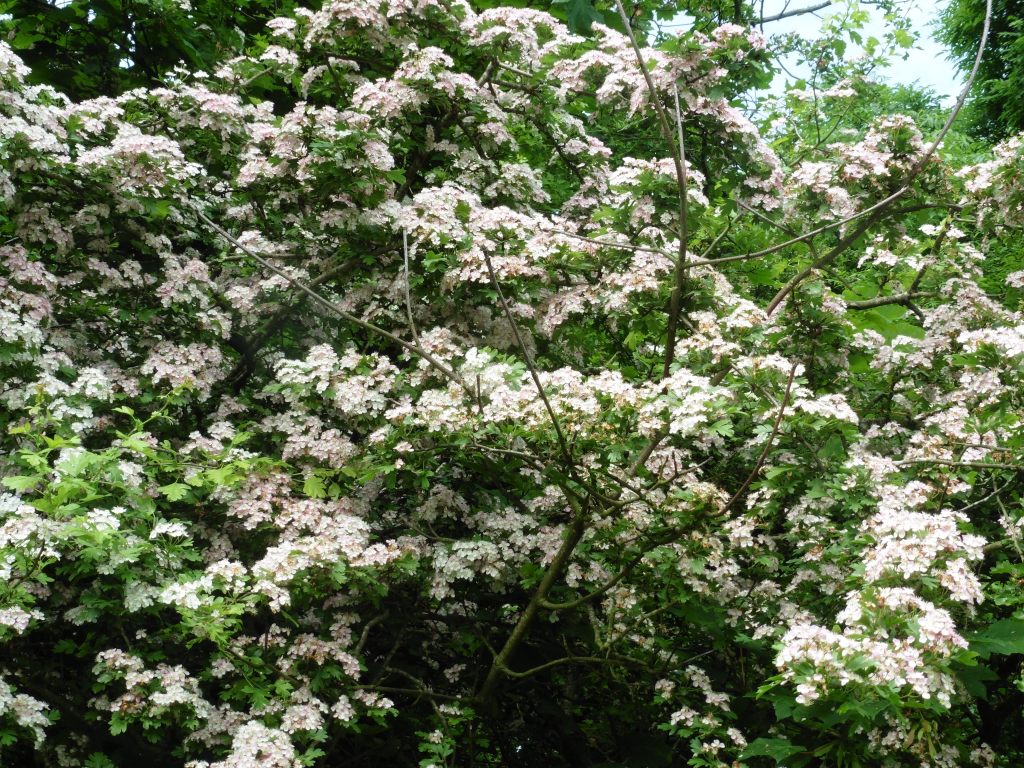
Cattle amongst some younger trees; the parks would benefit from more blossoming shrubs
This might also be time to review what sort of grazing and vegetation structure should be aimed for between the trees; the opportunity could be taken to introduce more flowering shrubs to the park as nectar sources. As a postscript, recent surveys of the beetles in Wytham suggest that it might be moved back up the deadwood charts in future, making the future of the park perhaps more significant.