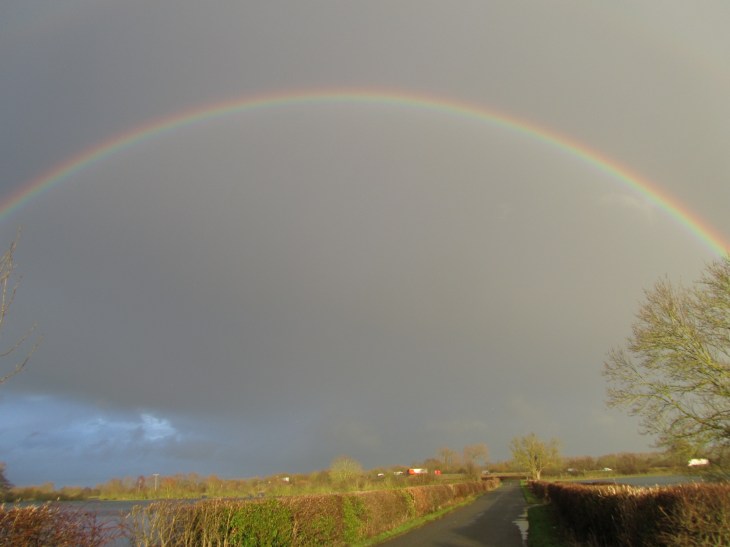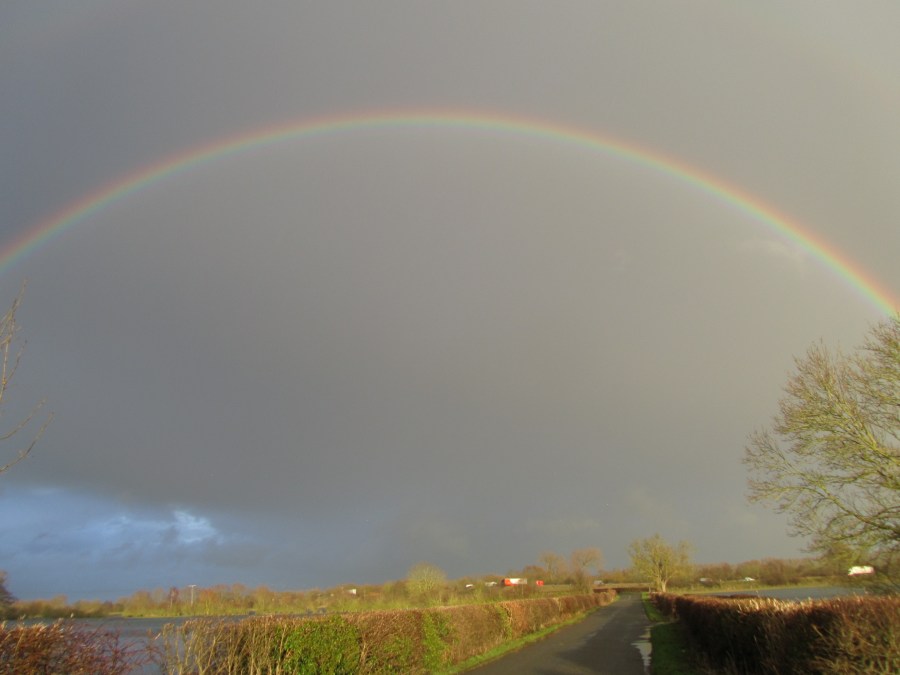
The horrible wet start to the year starts to fade from the memory, as, in the Thames Valley at least, the spectre of another spring drought emerges. Would this roller-coaster in our water supplies be very different if more of the country was under trees? There is a widespread belief that forest cover, at large scales, can increase local rainfall as in the Amazon, while clearing trees can lead to desertification, with the Mediterranean region often cited as a prime example, although not all agree with this latter case. So it is not simple, especially if we are thinking about the situation here in Britain.
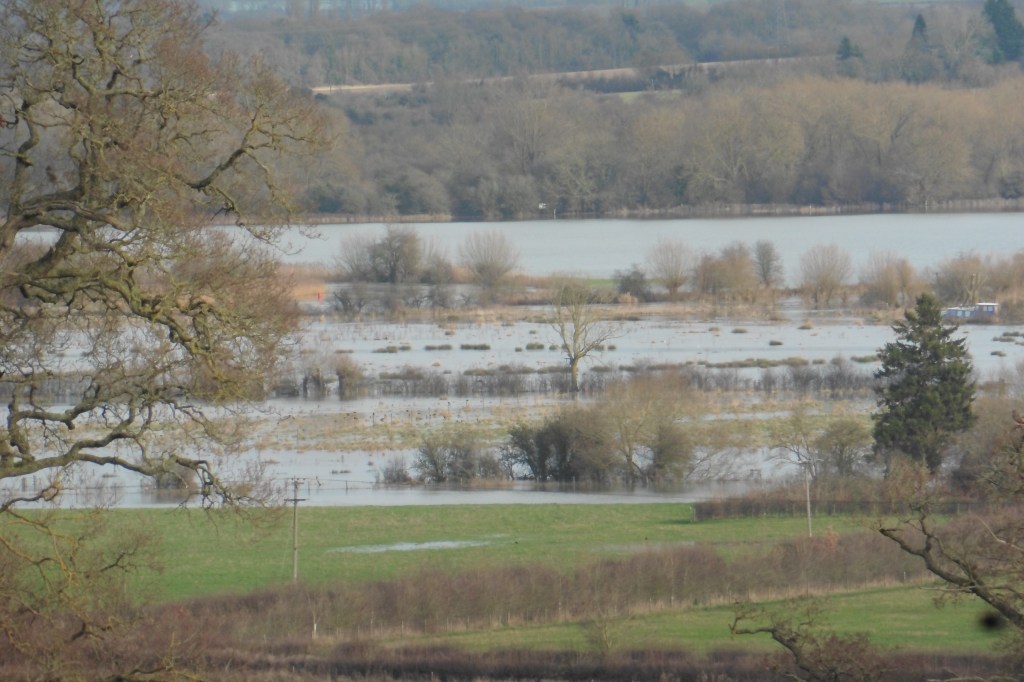
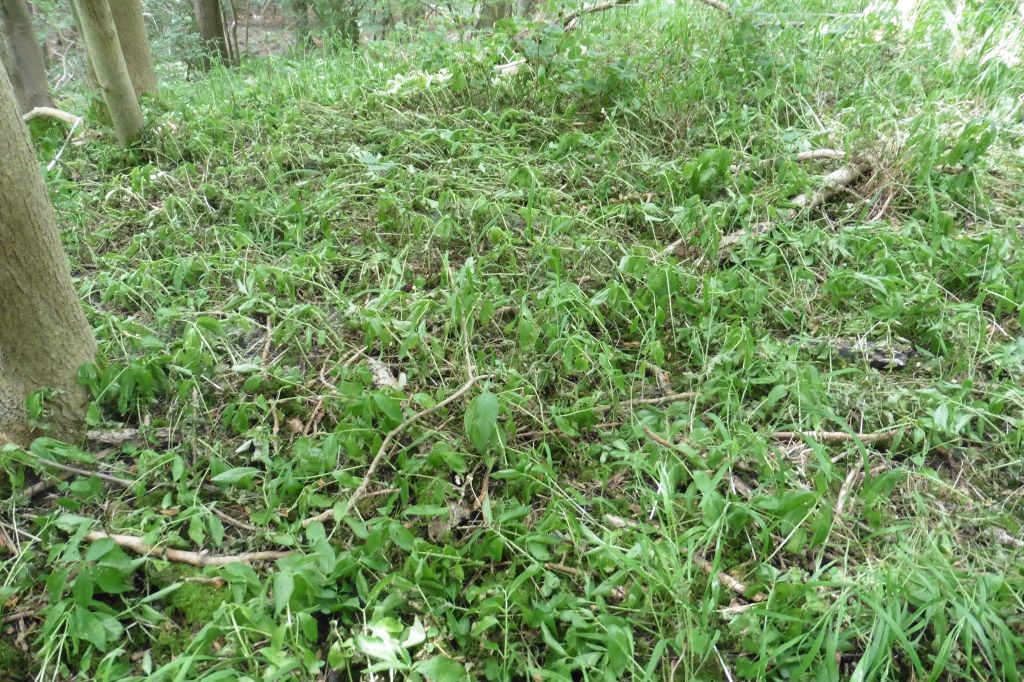
Winter floods and summer drought at Wytham
Much of the time trees in leaf lose water to the atmosphere as they transport nutrients up from the soil through the roots to the canopy. They then intercept the rain that falls on leaves and branches and some of that water returns to the atmosphere more-or-less immediately through evaporation, never reaching the ground. Compared to low-growing vegetation such as grasses or heath, trees and woods ‘lose’ more water through transpiration and direct evaporation. This is clear when trees are felled, die or fall; the ground under small clearings may get wetter as the water table rises and less rainfall is intercepted. In bigger clearings this may be partly off-set by more direct heat reaching the soil and evaporating water directly. Whether the differences in water use by trees compared to grassland matters, depends on where you are in Britain.
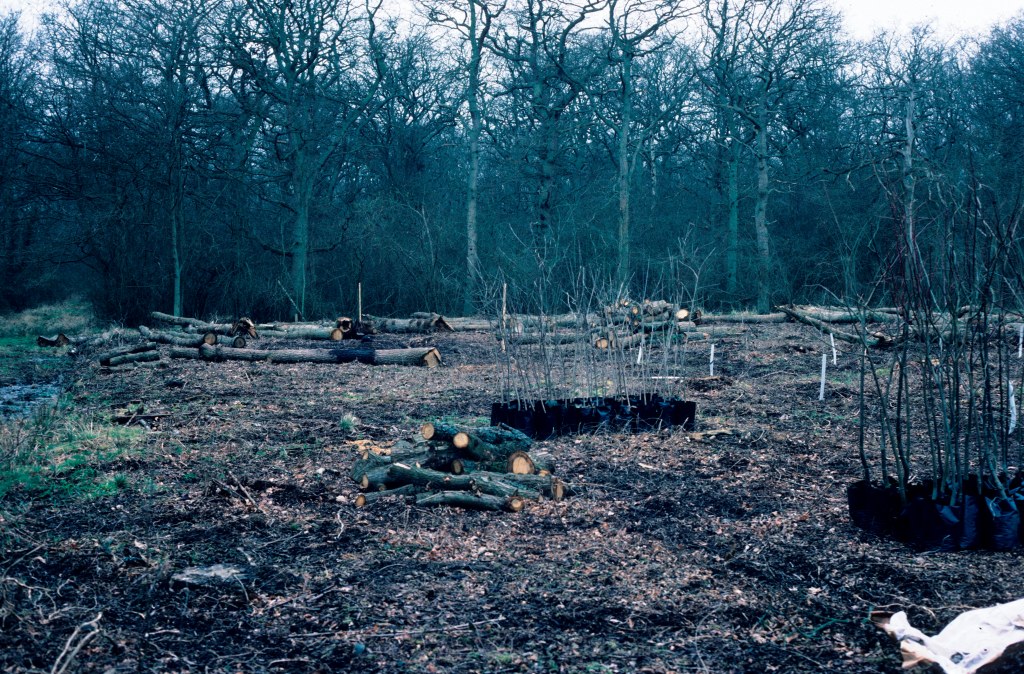
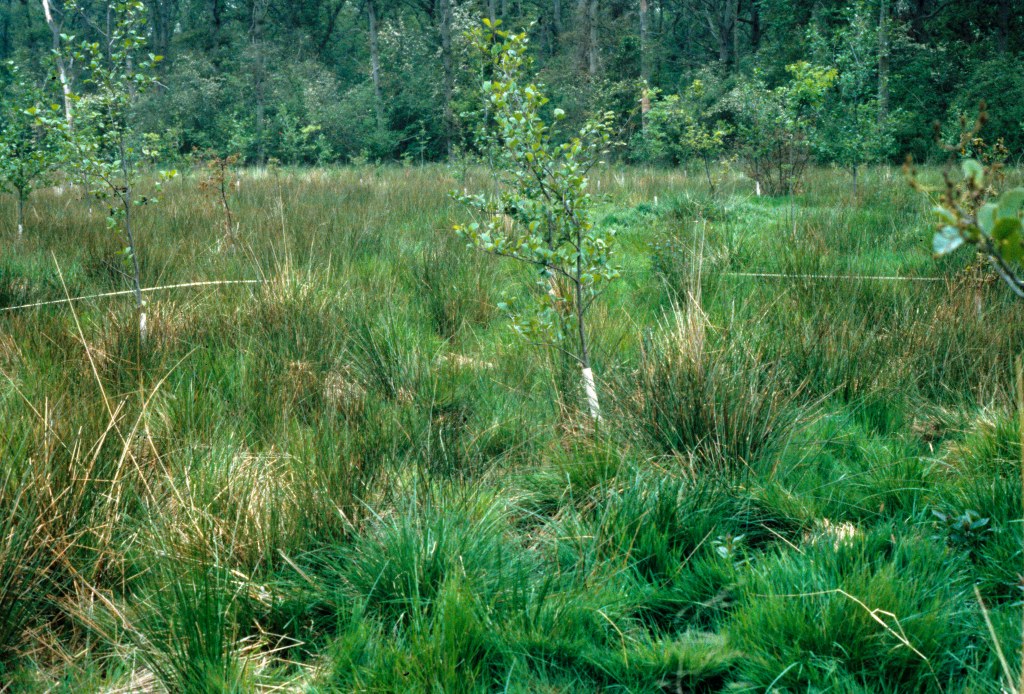
A Buckinghamshire stand immediately after felling; the subsequent rise in the water table led to a profusion of rushes, sedge and tufted hair grass.
Parts of East Anglia have a semi-arid climate, so increasing tree cover there might not seem a good idea from the point of view of potential water yield (quantity). However, if concerns about water shortages mean that some land currently used for irrigated crops is taken out of farmland and goes to trees then the change might still be positive in terms of water yield. In the north and west of Britain there is enough rain through most of the year to support temperate rain forest and higher water use by trees than lower-growing vegetation is less of a concern.
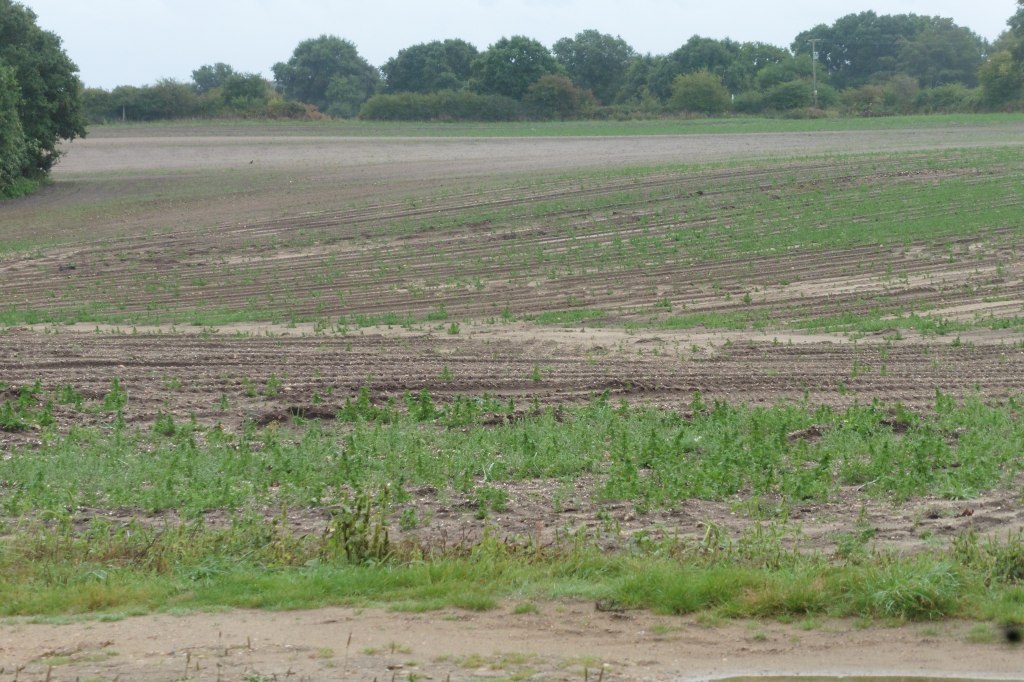
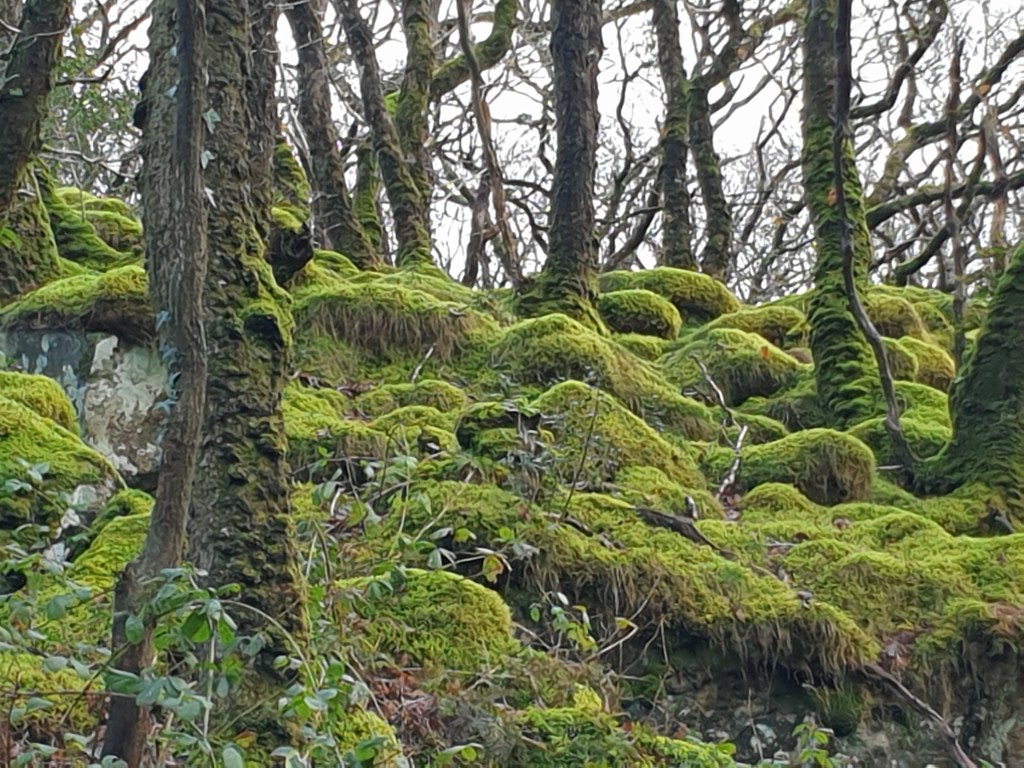
The Suffolk Sandlings, one of the dryest places in Britain; Ty Canol NNR, temperate rain forest in south Wales.
The water that does get through a tree canopy or runs back down its trunk may be more likely to be absorbed into the soil, because woodland soils tend to be more open than sheep-trampled grassland. Once in the soil any excess water will take longer to move through the soil and into forest streams than if it flows over compacted soil surface layers after storms. This could lead to reduced flood peaks downstream and is the basis for encouraging tree-planting in catchments vulnerable to damaging flood surges.
It is not just the amount of water that is affected by having trees on the ground; its quality is affected as well. Water drawn from aquifers under forests tends to be purer than from under farmland because there is less use of fertilizers or herbicides in forests that may end up in the water below. Thetford Forest is important for the water supply to Cambridge. Here at Wytham, the streams flowing off the hill are some of the least polluted in the county. Replacing livestock grazing by woodland reduces the risk of bacteria from animal dung contaminating the water. The levels of sediment in the water are also generally less which means that there is less need for expensive water treatments.
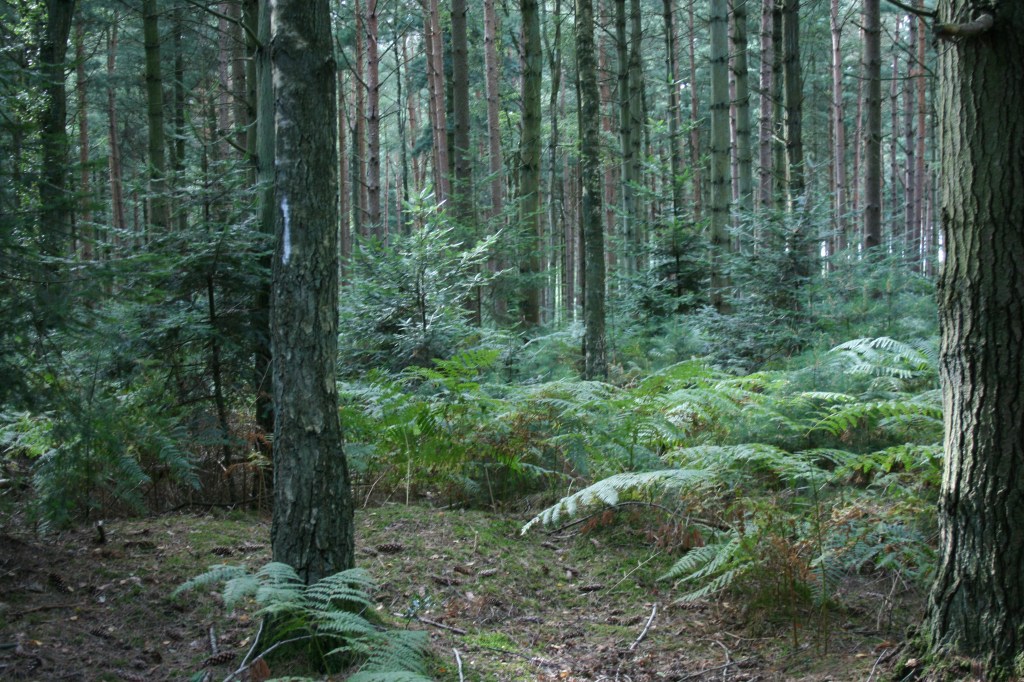
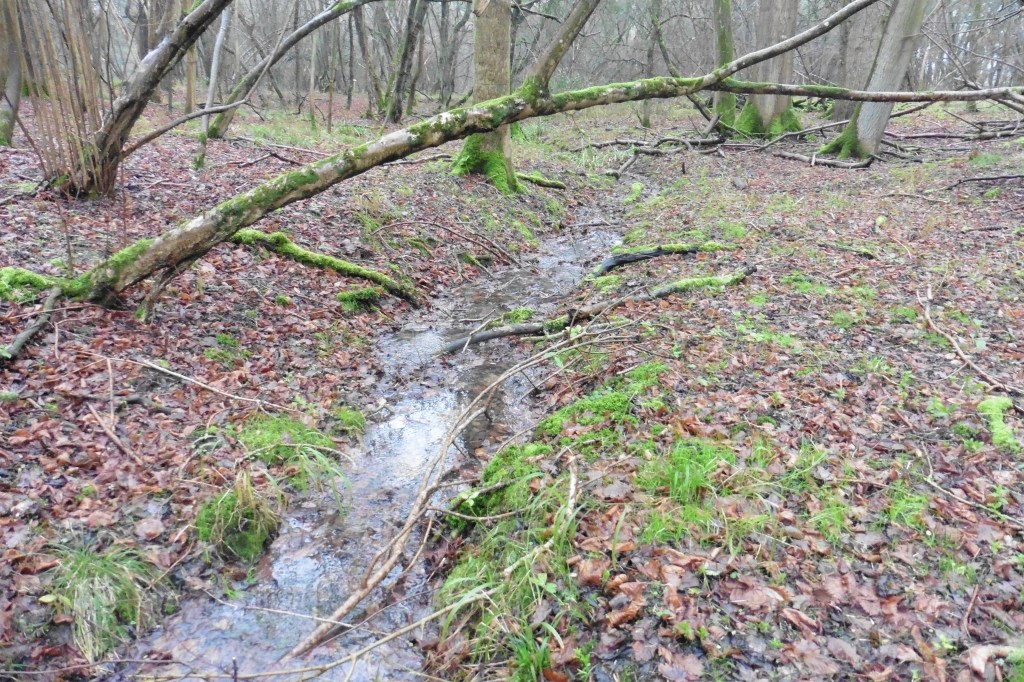
Thetford Forest lies over the aquifer that provides water to Cambridge; a small stream in Wytham Woods, feeding into the Thames – its whole length is under semi-natural vegetation.
But (and there is always a but) trees and woods can also have negative effects on soils and some aspects of water quality. On organic soils, the increased water use of trees, leads to peat shrinking, drying-out and carbon being lost as the peat oxidises. Trees are much better than lower growing vegetation at scavenging dust and gaseous pollution from the atmosphere – a positive feature in towns and cities where they can improve air quality close to houses – but a negative one in rural areas where pollutants may be washed off the leaves and end up in the soil water. When this drains into streams in the forest it can make them more acid. This ‘acid rain’ effect was a particular concern in the 1980s. Since then, the amount of sulphur dioxide in the atmosphere across Britain has been reduced, but some acidified streams have still not recovered.
More trees is not automatically a good thing from a water quality and quantity perspective. However, properly and planned and carefully managed any negative effects can be kept to a minimum, allowing us to benefit from the other things trees and woods provide: shade and shelter, rich wildlife, pleasant landscapes and a commercial crop of timber or firewood. Meanwhile, I continue to check the forecasts for a bit of rain to keep the spring on track. For, as the song goes “though April showers may come your way, they bring the flowers that bloom in May.”