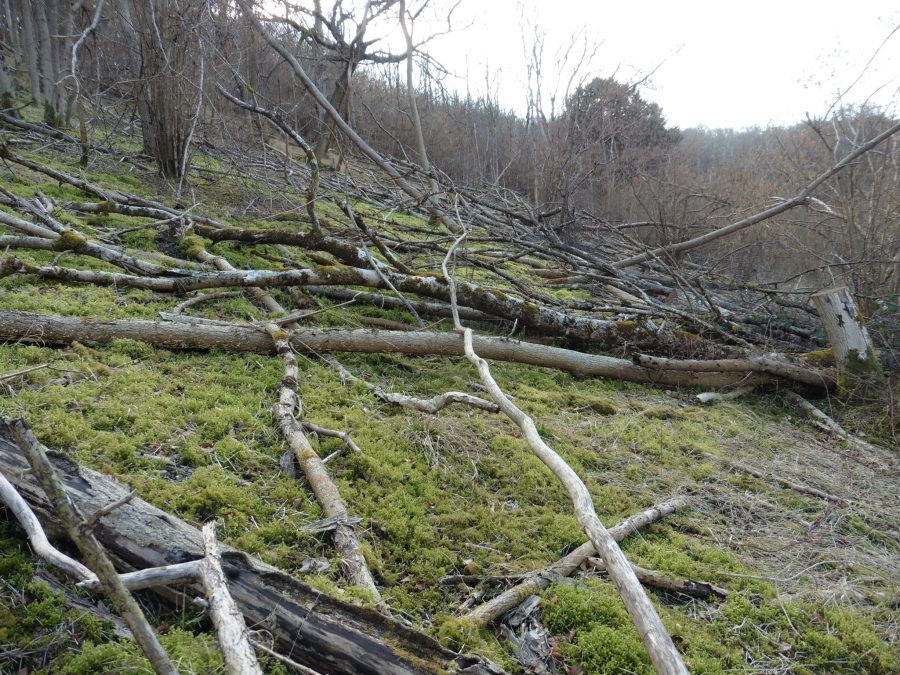
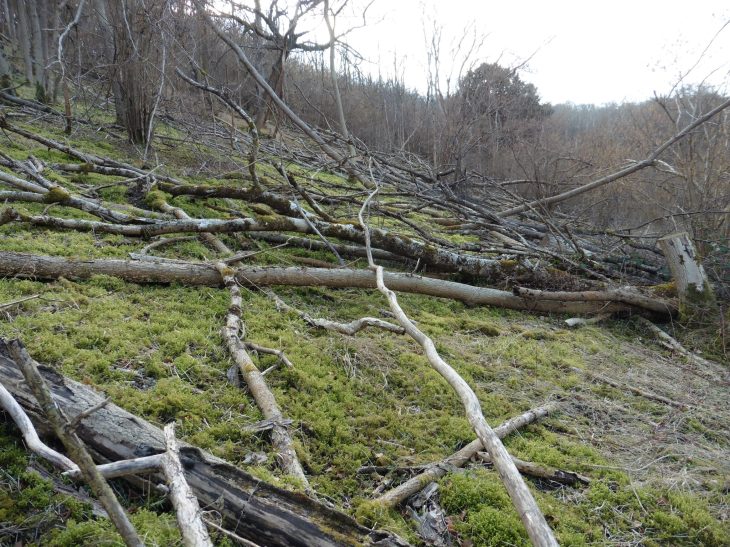
I first encountered ash dieback fifteen years ago in Estonia, although I did not know what it was then: just that the trees in the wood meadows we were looking at seemed to have a strange structure – lots of vertical shoots coming off the main branches. When I asked our local guide he kindly sent me a report he had done on the disease caused by what was then known as Chalara fraxinea, now identified as Hymenoscyphus fraxineus. The next year on a visit to Denmark I saw my first patches of dead ash, and the same year it was confirmed that the disease had reached the UK – just as I retired from Natural England.
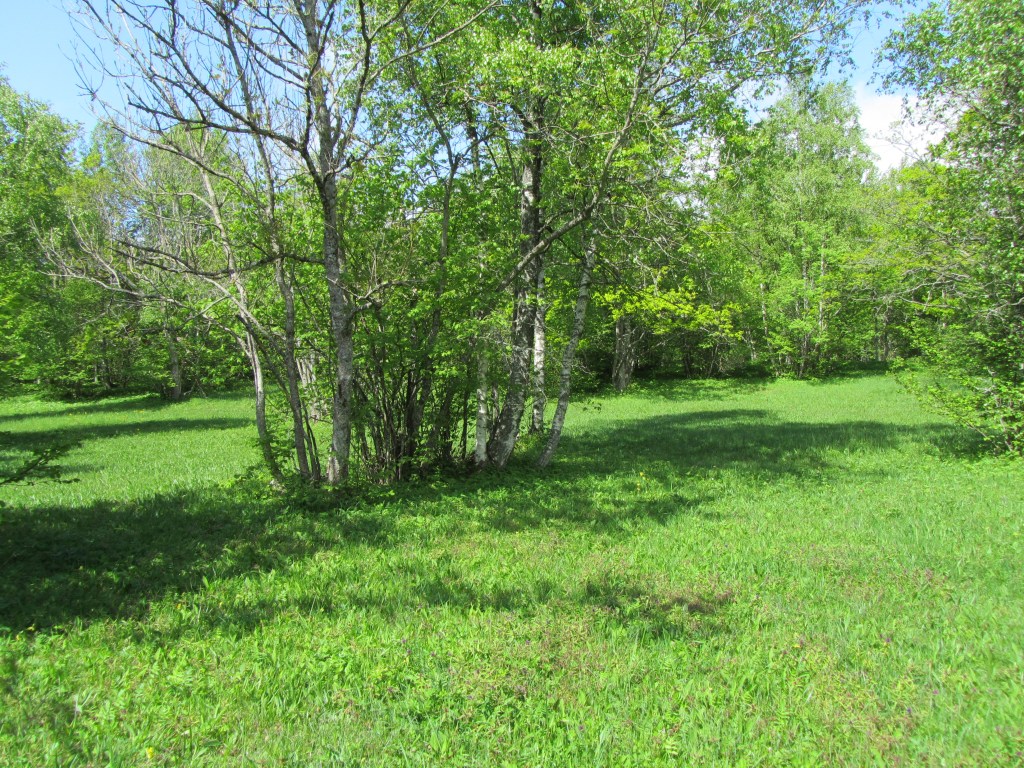
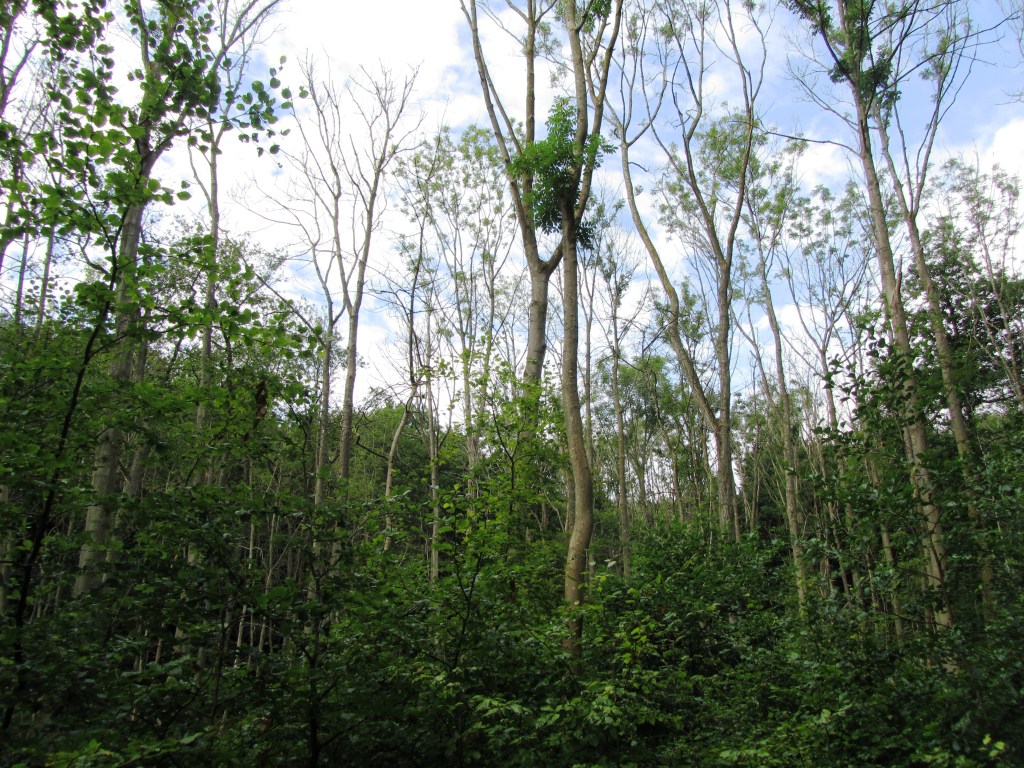
Ash affected by dieback in Estonia (2011) and a dead ash patch in Denmark (2012).
General knowledge and awareness of the disease was limited in conservation circles and I spent time early in my retirement drafting some preliminary thoughts on what the implications for conservation might be. Looking back now reveals various shortcomings in our thinking and knowledge then and how much our approach to assessing tree disease impacts has improved. For example there is a much more better developed system for the public to report tree diseases.
We knew how much ash there was in woodland, albeit mostly based on the 2003 Census (the new National Forest Inventory results which give more detail did not become available until a year or two later), but had relatively little information on ash as a component of trees outside woodland. The distribution and composition of trees outside woods is now much well-documented and, with improvements in remote sensing, maps of individual trees in towns and the countryside can be produced.
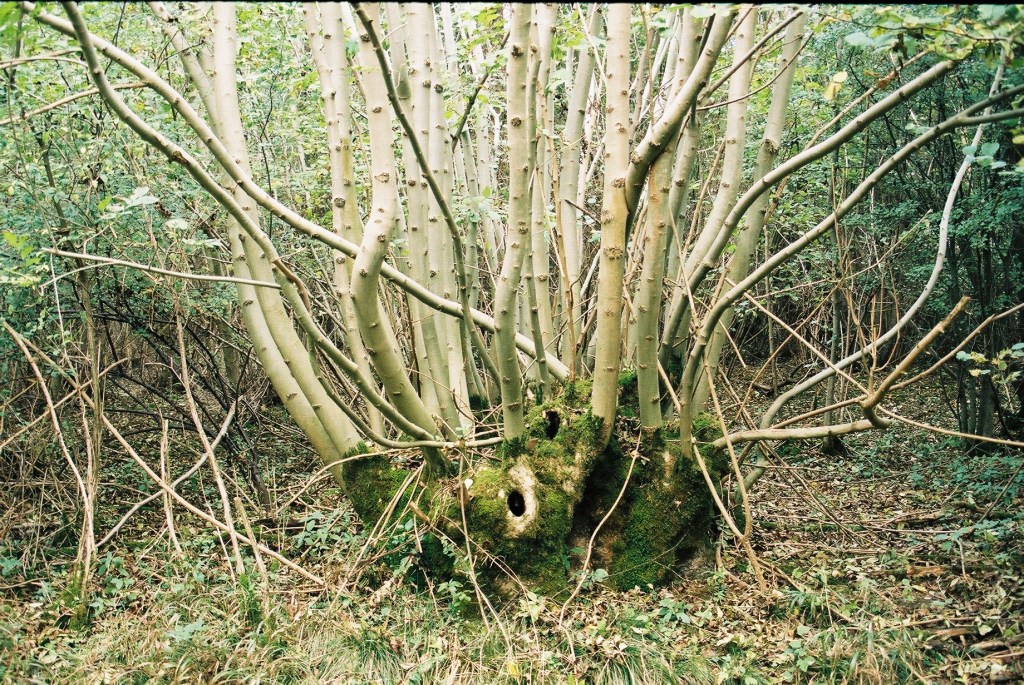
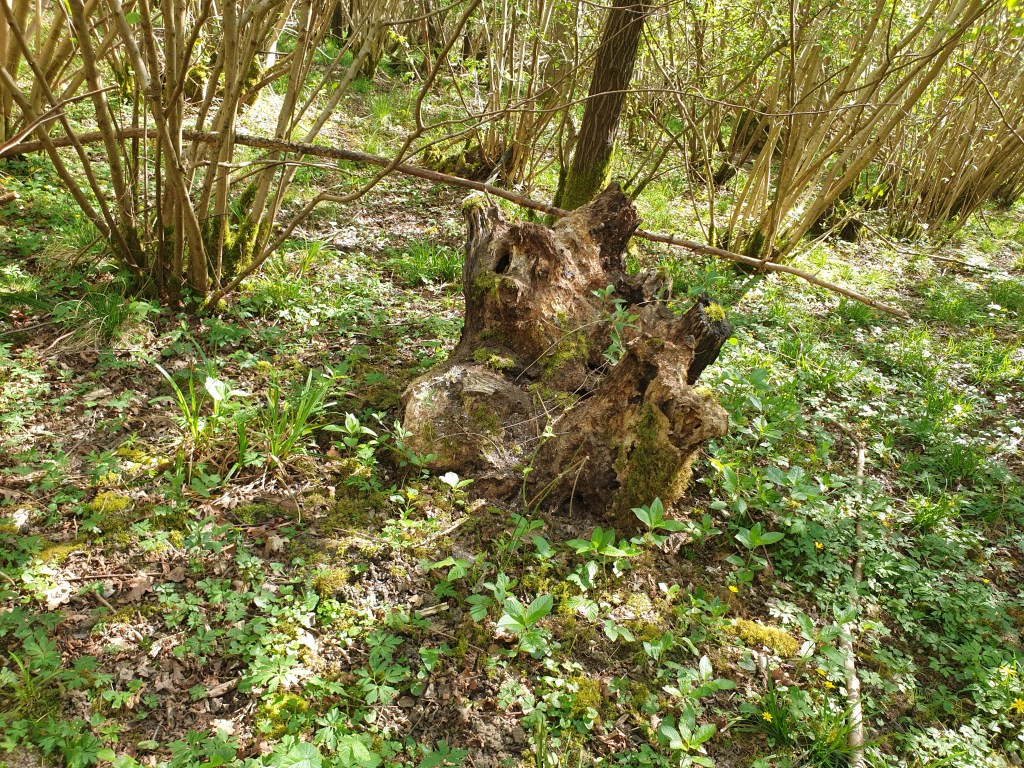
A large ash coppice stool in Bradfield Woods (2006); many of these have since died as with this one (2026)
Apart from Dutch Elm Disease and a growing concern about Acute Oak Decline, tree pests and diseases in the 2000s were not seen as something the conservation sector really needed to worry about – tree pests and diseases were a problem for commercial foresters with their even-aged, non-native conifer plantations. In 2012/13 a mass mobilisation of Forestry Commission and other government agency staff identified just how widespread and significant Ash Dieback had become in a short space of time, partly through the distribution of infected planting stock. This highlighted the common practice of using seedlings, saplings and young trees grown-on in nurseries abroad, even if the seed was from UK stock. There is now much more encouragement for ‘grown in Britain’ stock.
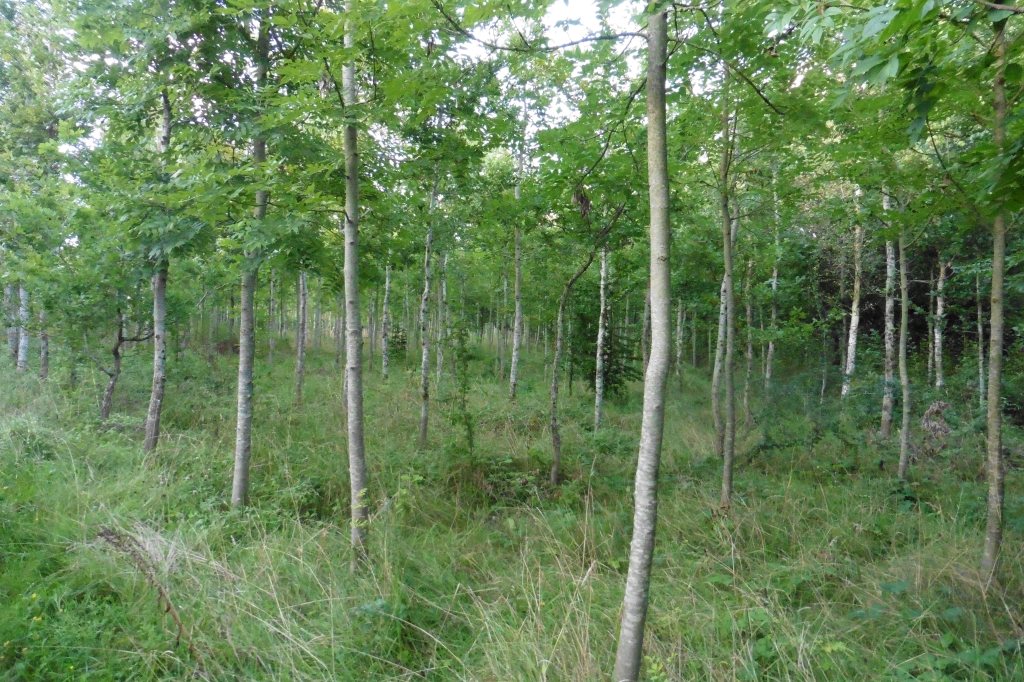
Widespread planting of material grown-on abroad is thought to have accelerated the spread of the disease in Britain. Many of the ash in this young community wood are dying.
We did not have a very clear idea of the functional significance of ash in our ecosystems – what species depended on it, how it compared to our other tree species. The subsequent work of Ruth Mitchell and others showed that it had some very distinct characteristics in terms of its mycorrhizal associations, the ease of breakdown of its litter, the openness of its canopy. This work not only filled in this gap in our knowledge but established a protocol that could be followed for looking at the impact of other threats to our trees.
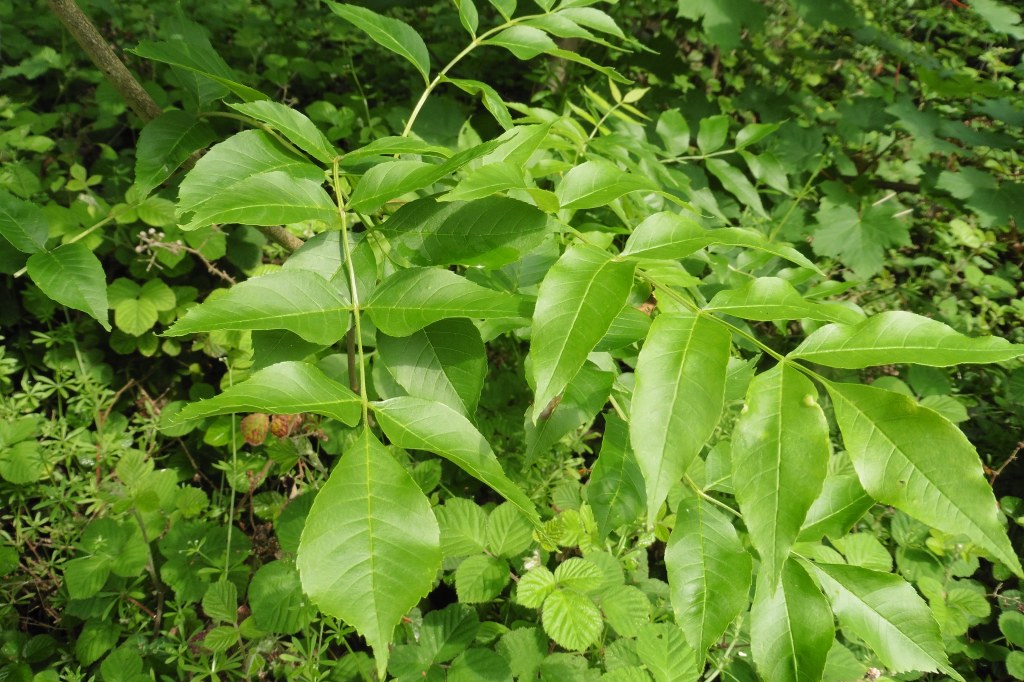
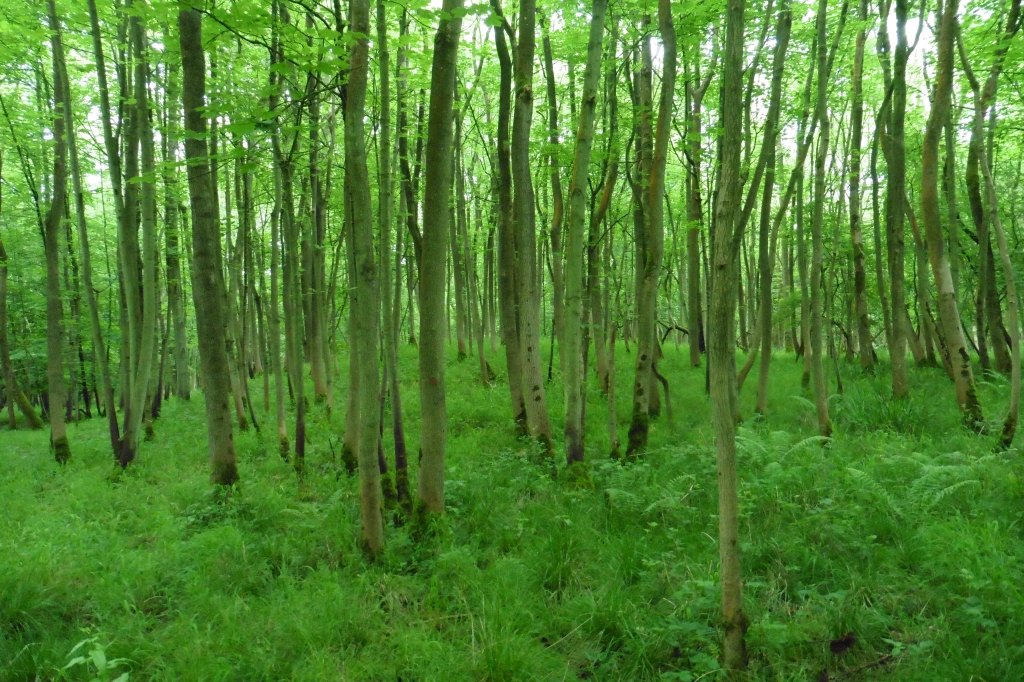
Ash leaves decompose quickly releasing their carbon and nutrients back into the woodland syste; the light canopy allows for the development of extensive ground flora cover.
Much of our ash population developed after the second world war and dieback developed rapidly in such young stands. However ash produces abundant seedlings each year and has also turned out to be genetically quite variable such that there is better hope than initially thought that tolerant/resistant strains might emerge quite quickly. Trials of potentially-tolerant ash are underway.
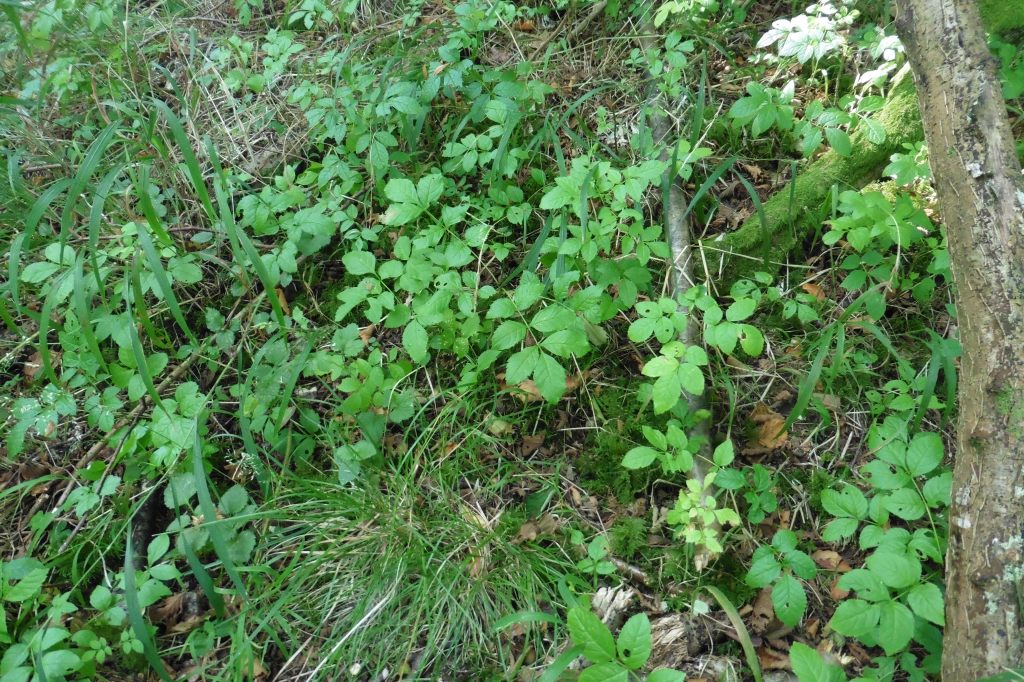
An abundance of ash seedlings
The initial reactions were concerned with either potential losses of timber production or conservation interest. Very rapidly assessments started to take account of impacts on other ecosystem services – landscape, water regulation, access – both from the disease itself and from the changes in management that became necessary because of the disease.
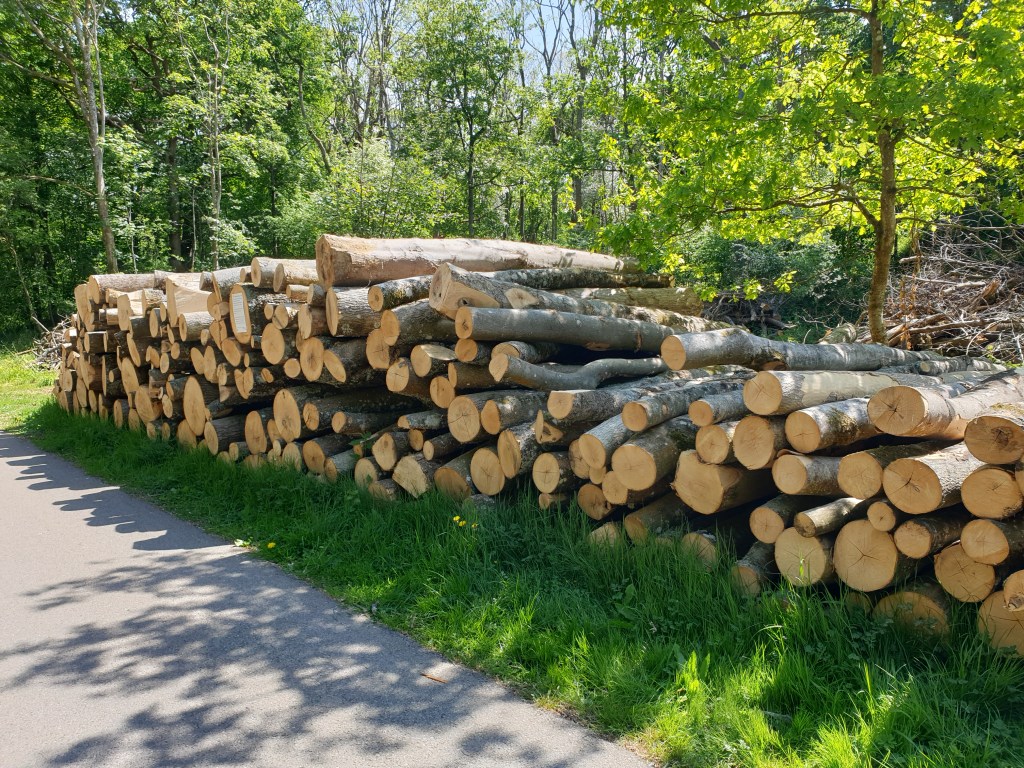
Safety felling of diseased ash along roadsides and public access routes has been widespread.
Fifteen years on, the disease is still working its way through our ash population, but some of the worst fears have not yet materialised; there does appear to be more scope for resistance/tolerance than was at first thought. And we now have a much better documented case study of the impact of losing much of a major component of our woodland cover, something that is lacking from the Dutch Elm Disease outbreaks of the 1960s and 1970s. This will help us assess future changes in tree composition that are likely to develop over the next few decades as climate change really bites.
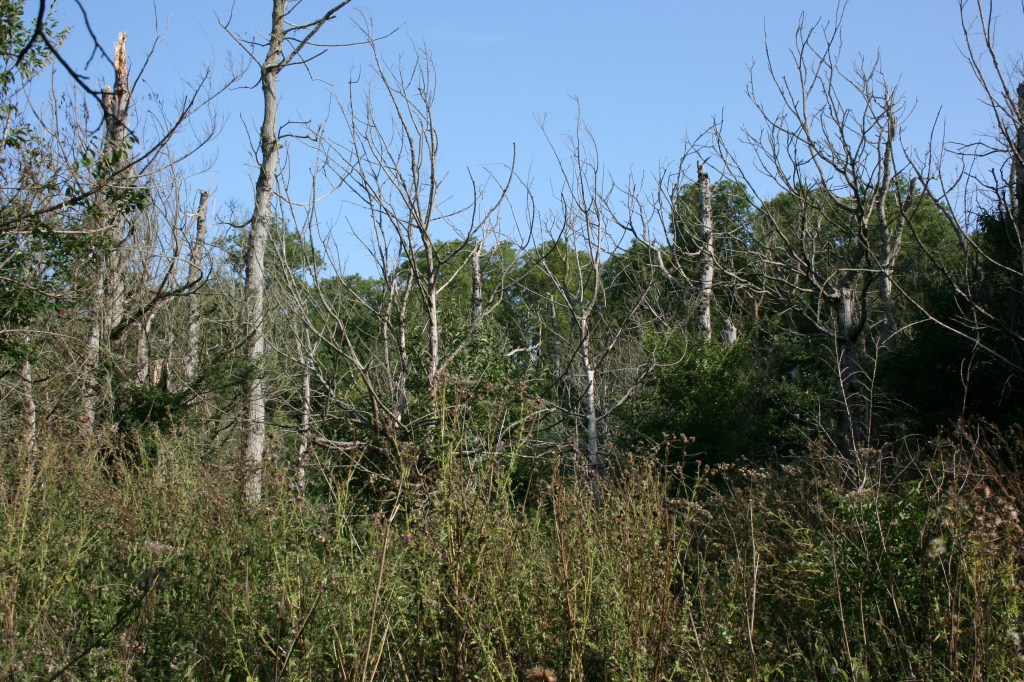
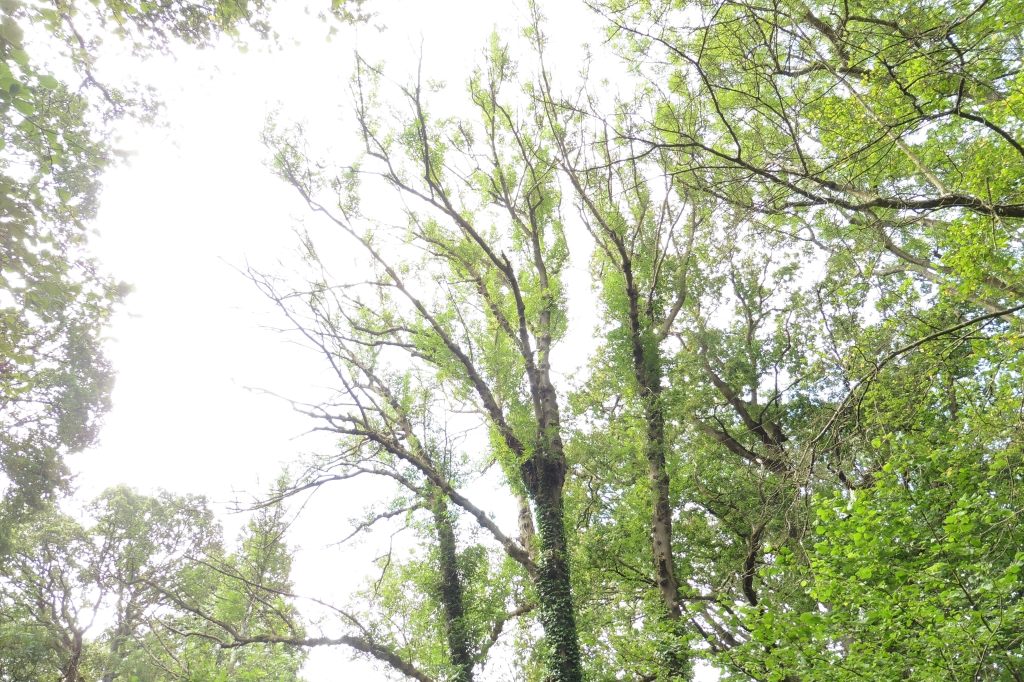
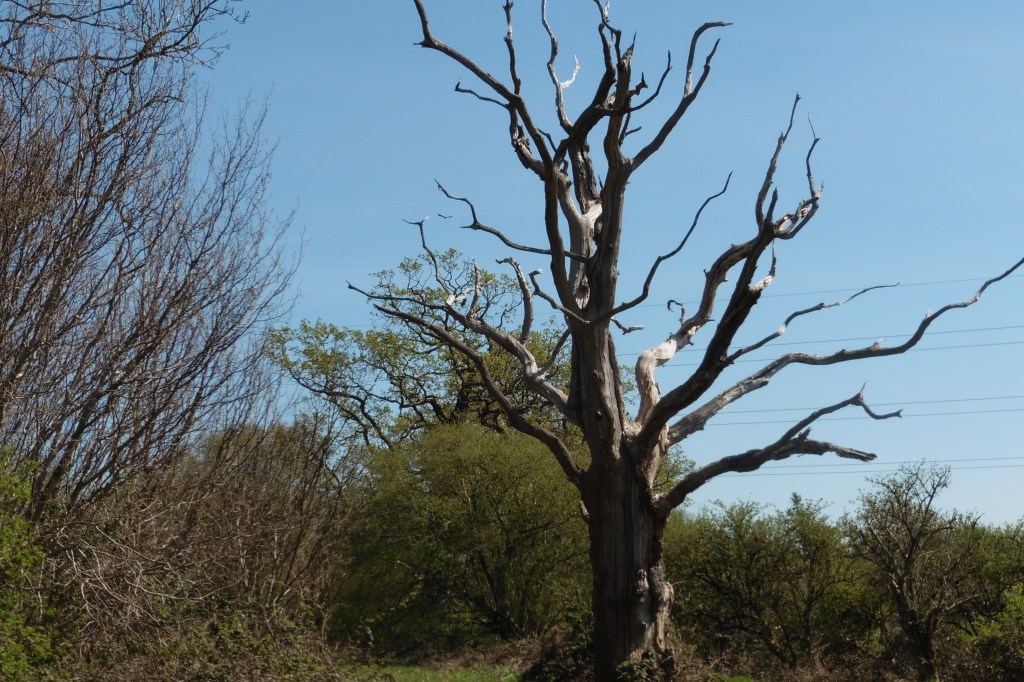
Elm down one, ash down two, oak down three?


Some years ago at a Reading Forestry Conference, a Danish expert predicted Britain would fare better than mainland Europe because our ash has a wider gene pool from the Iberian refuge during the last ice age. She was observing then only c.10% survival in Denmark. My recent observations and one complete survey of a site in north Hampshire gave a resistance/immune rate of c.20%. Is this being borne out elsewhere?
LikeLike
I think the resistance/tolerance rate is very variable and assessments also depend on what level of potential ash dieback damage is judged negligible, i.e sufficiently low to judge the tree as resistant/tolerant. I suspect resistance/tolerance may turn out to be more than 10% but I would be surprised if in many woods it was over 30%. More important may be whether the apparent transmission of resistance to seedlings via the epigenetic route greatly increases resistance/tolerance in the next generation – assuming they escape being eaten by deer.
LikeLike