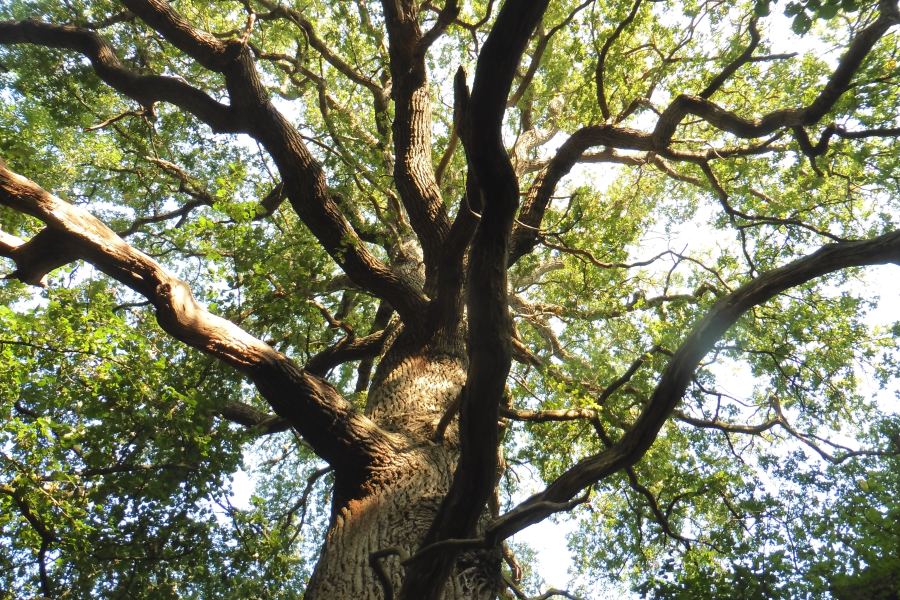
Oak has a special place in the hearts of many people and there is strong support for the conservation of oak and oak woodland. However, what exactly is it we should be conserving? The standard definition of biodiversity refers to the conservation of variety at genetic level as well as that at the species and… Continue reading Conserving oak genes

Should we revisit conifer-broadleaved mixtures?
There are major government targets for creating new woodland and increasing the benefits that come from existing woods. Different types of woodland are needed to deliver different objectives. There are woods where natural processes should predominate but elsewhere various forms of intervention will be used to ensure that a specific mix of products, such as… Continue reading Should we revisit conifer-broadleaved mixtures?

We need to talk about Holly
We need to talk about Holly There are people who cannot identify oak trees from their leaves, but I bet they could identify holly leaves by their prickles and evergreen appearance on Christmas cards. However, it is only the lower leaves that have the prickles; the upper leaves are flatter and lack spines, presumably because… Continue reading We need to talk about Holly
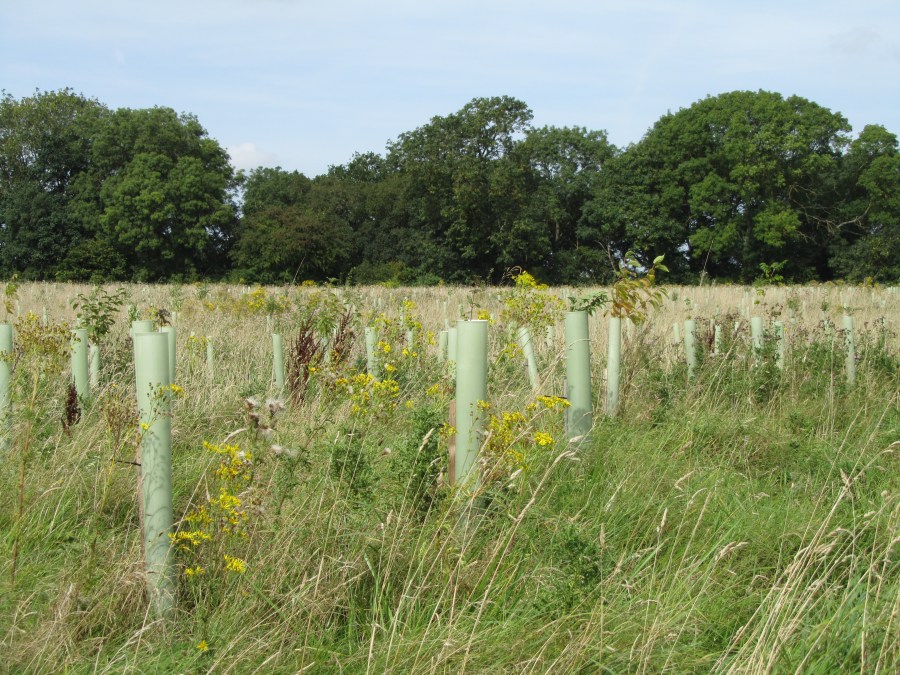
The rise and fall (?) of tree shelters
The 1980s were in many ways a turning point for British broadleaved woodland. The ancient woodland inventory project was getting underway; the 1982 the Broadleaves in Britain conference heralded a resurgence of interest in its woodland management; the Woodland Trust started to emerge as a significant player at a national scale in woodland debates. Less… Continue reading The rise and fall (?) of tree shelters
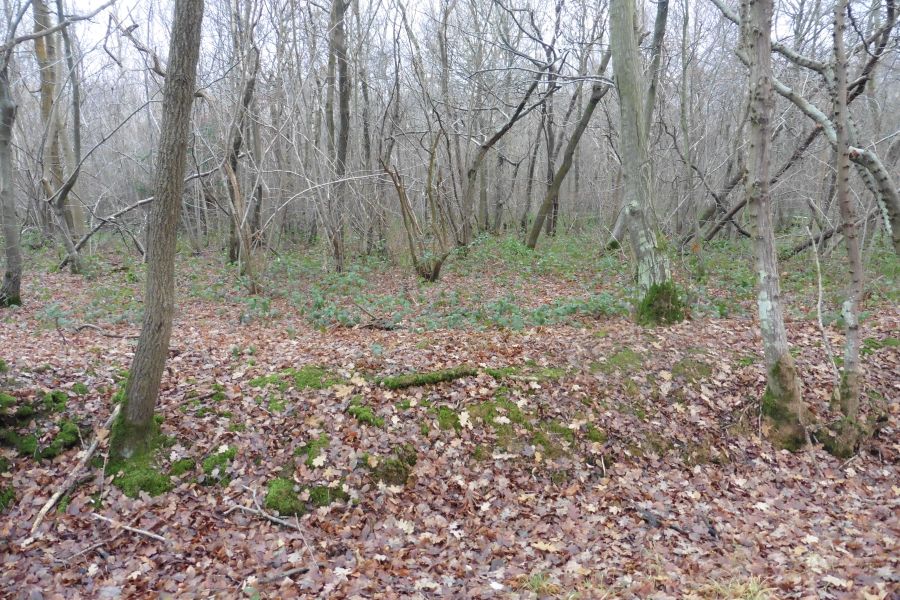
Changes in Orlestone Forest, Kent
Orlestone Forest, south of Ashford, was one of several forests used in a study of the effects of age and crop type on the ground flora of plantations (KIRBY, 1988). I repeated the Orlestone survey in 1991 and 1998 although this was not written up. The current visit (August 2022) was a chance to see… Continue reading Changes in Orlestone Forest, Kent
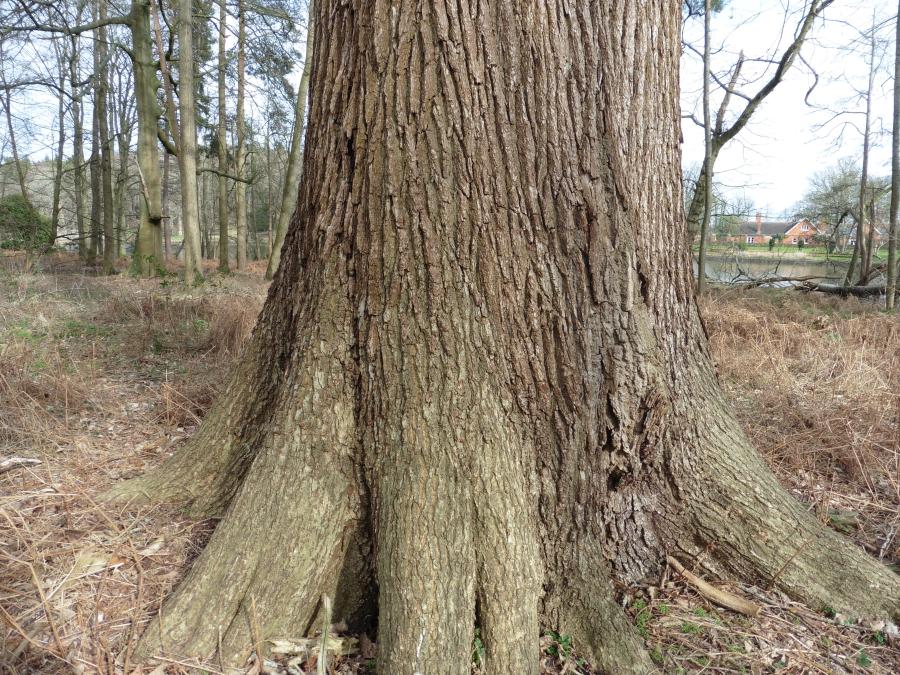
A very crafty tree
They used to say that a good butcher could make use of every part of the pig, but the squeal, and we might say something similar about a forester and oak trees. H L Edlin (1949) described the various woodland crafts, largely dependent on human labour, as they had been for centuries, just before they… Continue reading A very crafty tree
Tracking ash decline in Wytham
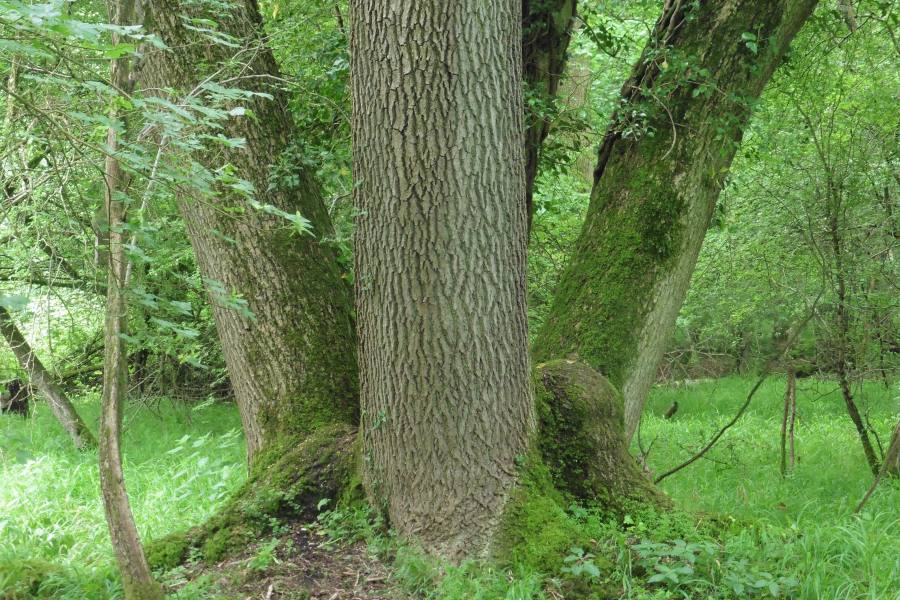
Back in 2018 the Old Man speculated on what impact Ash Dieback would have on Wytham Woods, the disease having been confirmed as present only in 2017. There was still an unspoken hope that its impact would not be as great as feared. Nonetheless a series of project were put in place to explore what… Continue reading Tracking ash decline in Wytham

Gains and losses in woodland conservation
Witherslack Woods in south Cumbria are a special place for me because they were the first piece of major survey work that I did when I joined the Nature Conservancy Council as a woodland ecologist in 1979. They are a fantastic mix of acidic and base-rich woodland, of wet and dry communities. My focus in… Continue reading Gains and losses in woodland conservation
Allt Rhyd y Groes revisited
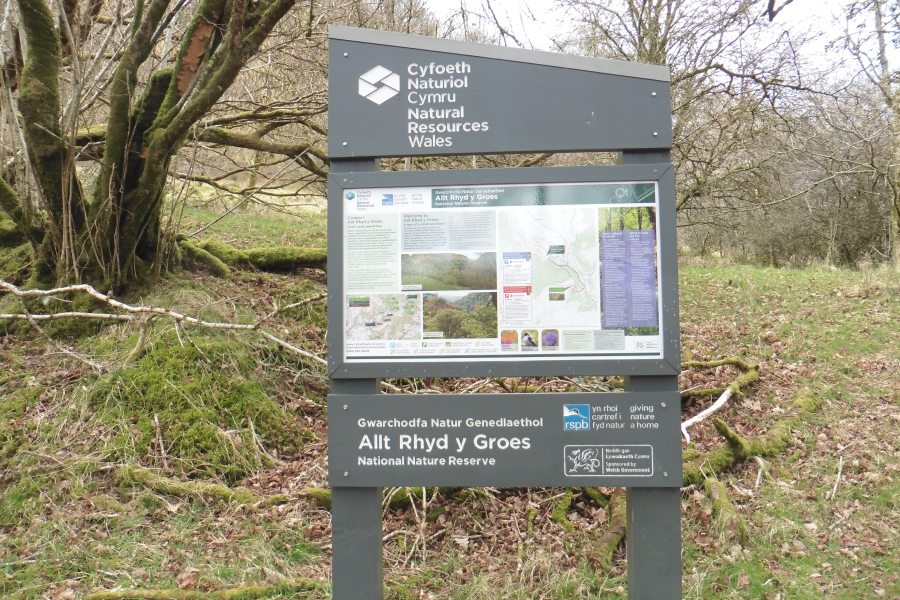
I first visited this wood in mid-Wales 42 yrs ago. Two things stuck in my mind particularly then: it was in the heart of the kite country when the GB population was only a few tens of birds; and a sheep-fenced exclosure showed good regeneration, not of oak but of rowan. Fence line effects from… Continue reading Allt Rhyd y Groes revisited
Size Matters, but what do we mean by the size of a wood?
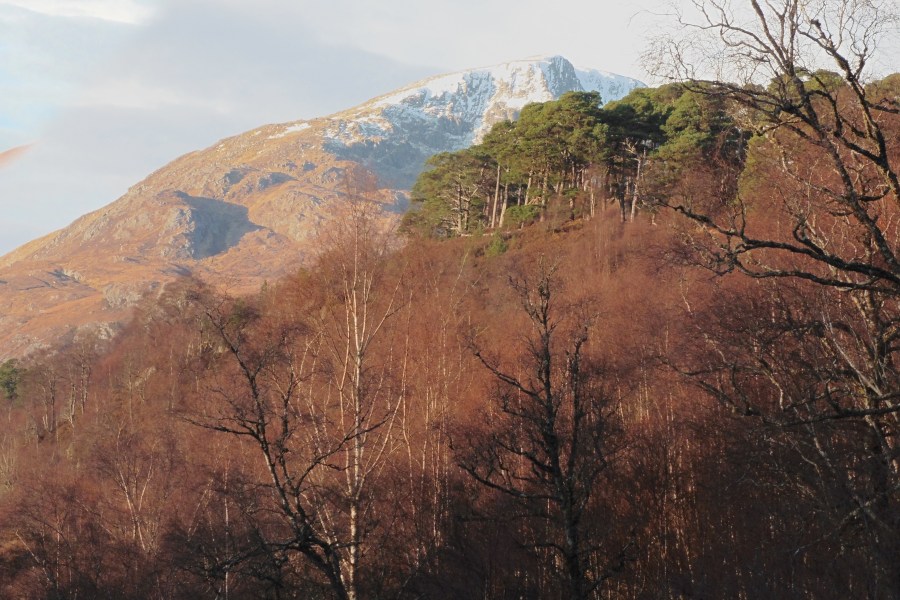
How big a wood is has profound effects on the wildlife in it: the ecological literature is full of graphs of species-richness plotted against site-size for example; studies of the interaction of size and isolation effects on species richness, based initially on islands, have been extended to habitat patches of one sort or another. Size… Continue reading Size Matters, but what do we mean by the size of a wood?
 The Old Man of Wytham