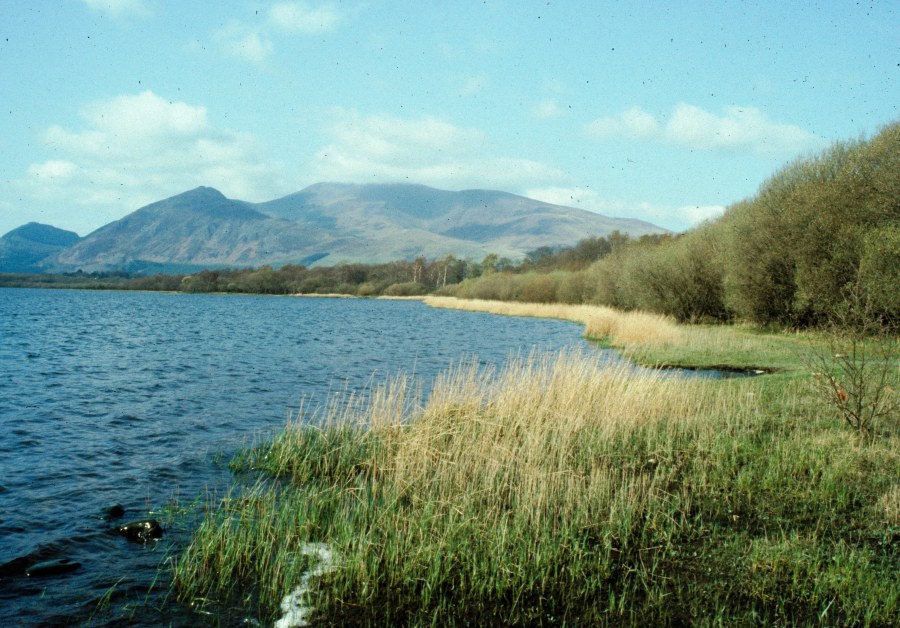
Nearly 45 years ago I started work for the Nature Conservancy Council in Cumbria as a lowly ‘Phase 1’ habitat surveyor. In those days it meant walking footpaths and scanning the countryside with binoculars from roadsides – attracting the attention of passers-by, irate land-owners, or occasionally even the police. We might, if lucky, have been… Continue reading New year, old dog, new tricks?
A year among the oaks
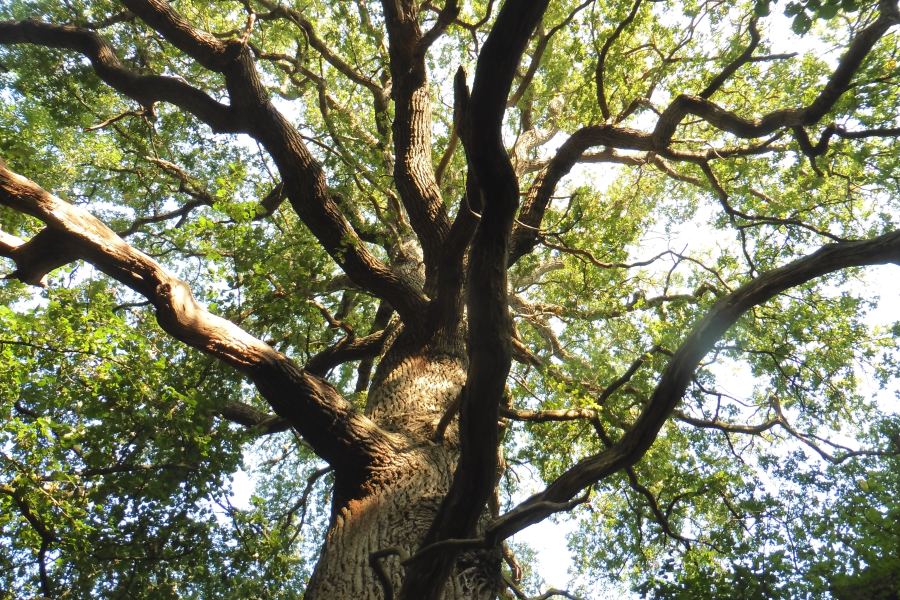
January, 2021, a new year, and the bright sun made me forget the rain and sleet in my face as I cycled out to the Woods. This large oak seems to dominate the stand but by the summer the younger ash and sycamore around were clearly out-growing it and the oak almost disappeared amongst their… Continue reading A year among the oaks
A good book is hard to beat
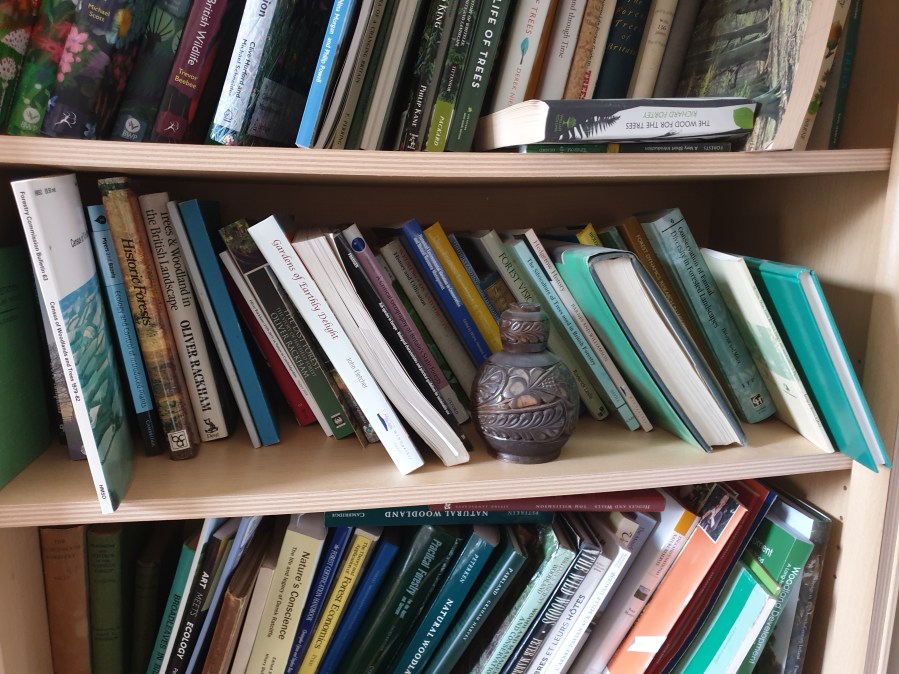
In an idle moment I reflected that, every 10 years or so, a book comes along that seems to have a disproportionate effect on changing the way people think, what we accept as common knowledge. They cause a shift in our baseline assumptions about conservation. In the mid-seventies conservation (and more slowly forestry) thinking started… Continue reading A good book is hard to beat

What flowers should we expect in a new wood?
Most people, if asked to picture a woodland ground flora will probably think of bluebells or primroses, or perhaps a mixture of heather and bilberry under Scots pine. These are the sorts of images that appear in woodland paintings from the late 19th, early 20th century. One such print hung on our kitchen wall and… Continue reading What flowers should we expect in a new wood?

Carbon, wildlife, timber – not all combinations work
On a global level one of the best solutions to the climate and biodiversity crises is to leave forests unharvested, or to harvest only at the levels currently done by indigenous populations; and to allow logged forest to regrow without further logging. This minimal interventionist approach is likely to give high benefits in both biodiversity… Continue reading Carbon, wildlife, timber – not all combinations work

Back to Cumbria
My first job in 1977 after college was working for the Lake District Special Planning Board on a woodland survey. I don’t think I did it very well with hindsight, but it was a fantastic experience and introduced me to the woods of Cumbria. A recent trip took me back for a few days to… Continue reading Back to Cumbria
A trip to Shetland
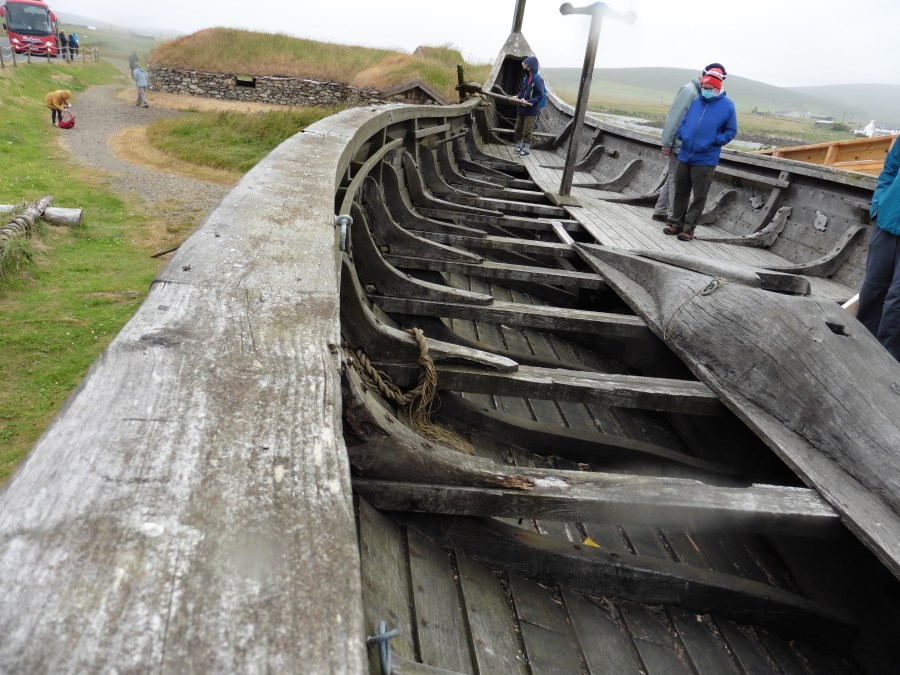
The old man has been rather out of his element recently, visiting the largely treeless landscapes of the north. There is now no naturally occurring woodland on Shetland, although small bushes of birch, hazel, aspen and sallow can sometimes be found in places inaccessible to sheep and burning such as on inland cliffs and on… Continue reading A trip to Shetland

If the trees could talk; would we want to hear what they were saying?
It used to be so easy: humans were different to all other animals, made in the image of god and given dominion over the world (at least in some cultures). Now we know we are not so different, because virtually everything we thought was unique to humans can be found in other animals to some… Continue reading If the trees could talk; would we want to hear what they were saying?

Oh my, how you have grown!
All kids have to put up with this sort of comment when aunts and uncles visit, but it is equally a common reaction from ecologists who study long-term changes in the tree layers of British woodland. During the first and then the second world war many of our broadleaved woods were cut-over, so most of… Continue reading Oh my, how you have grown!
Oh to be in England, now that April’s there
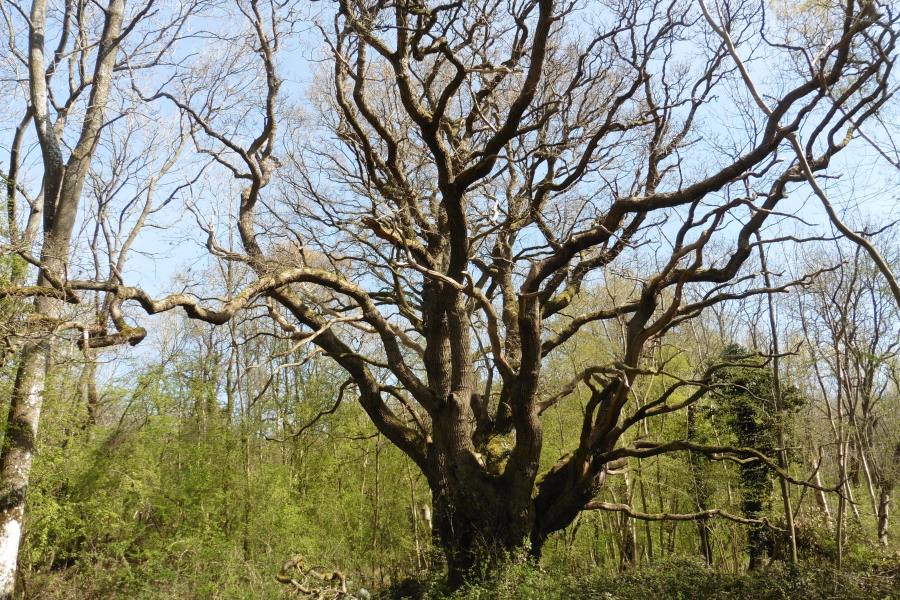
Every year it catches me by surprise, just how lovely spring is, as Robert Browning so eloquently puts it in his ‘Home thoughts from abroad’. In the space of just a few weeks the woods are transformed. Whereas in March all the trees were bare and stark, suddenly half of them are greening up. Sycamore… Continue reading Oh to be in England, now that April’s there
 The Old Man of Wytham