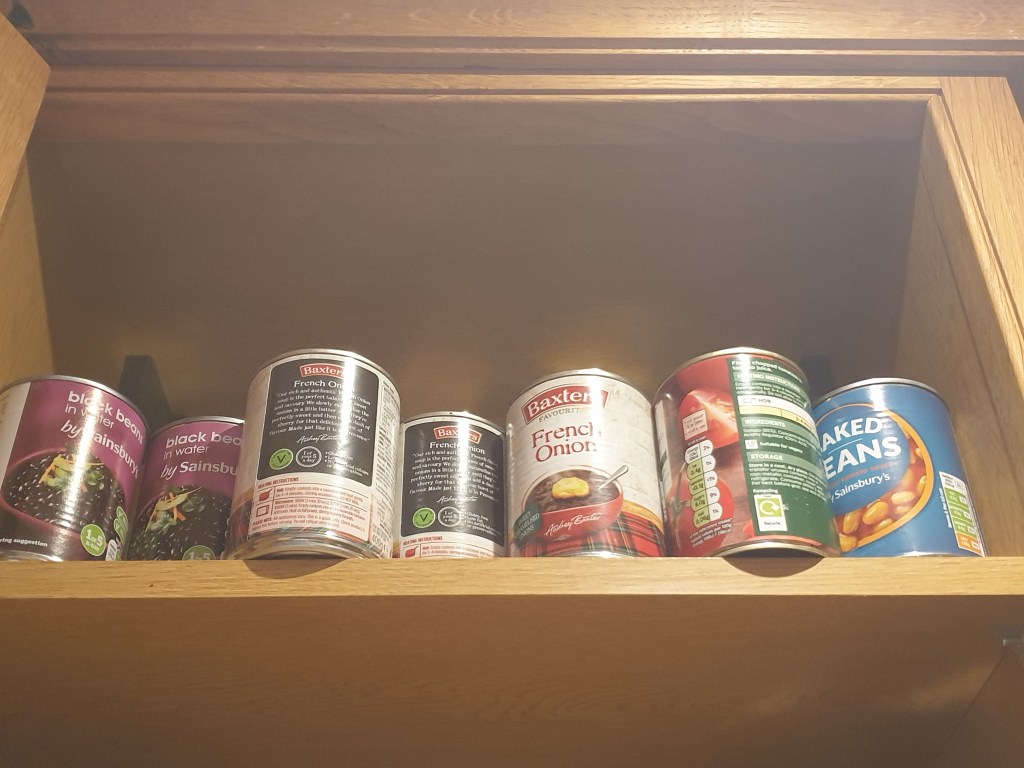
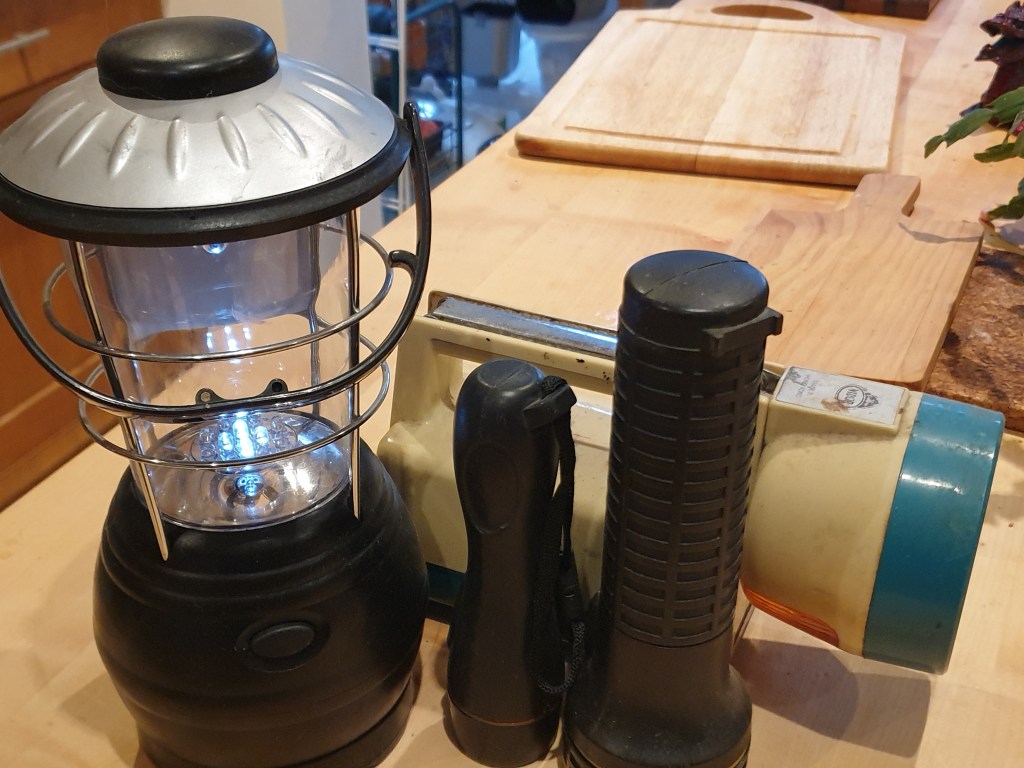
The Government has recently issued guidance on preparing for emergencies; the Old Man has got some tins in and checked the torches, camping stove etc. He also had a look at the UK Government strategic assessment of the consequences of global biodiversity loss and ecosystem collapse for national security. This had lots of useful stuff in it but seemed lacking in references to forestry and potential impacts on our trees and woods (see National security assessment – global biodiversity loss ecosystem collapse and national security ).
This is surprising because forestry in Britain has been heavily shaped by past emergencies: many of the oaks in our woods today were planted or encouraged following the Battle of Trafalgar in the 19th century to ensure that our ‘wooden walls’ could be maintained. The establishment of the Forestry Commission in 1919 to create a strategic timber reserve and the coniferization of ancient woods in the 1950s and 1960s to increase the home production of timber were responses to the shipping blockades in WWI and II.
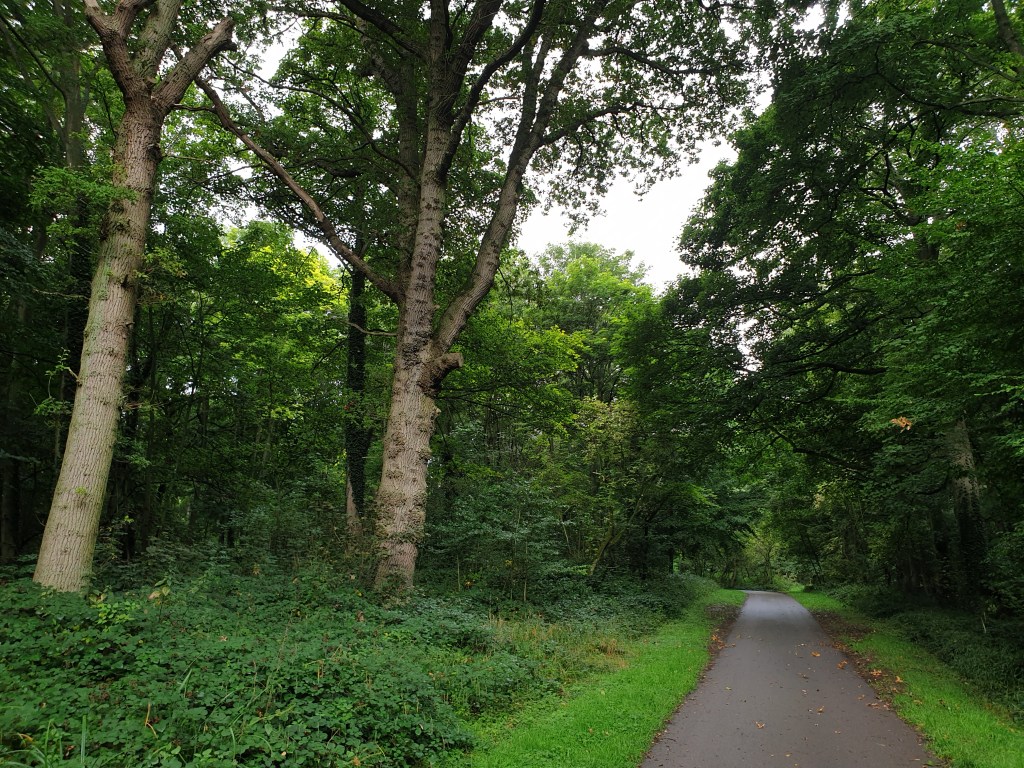
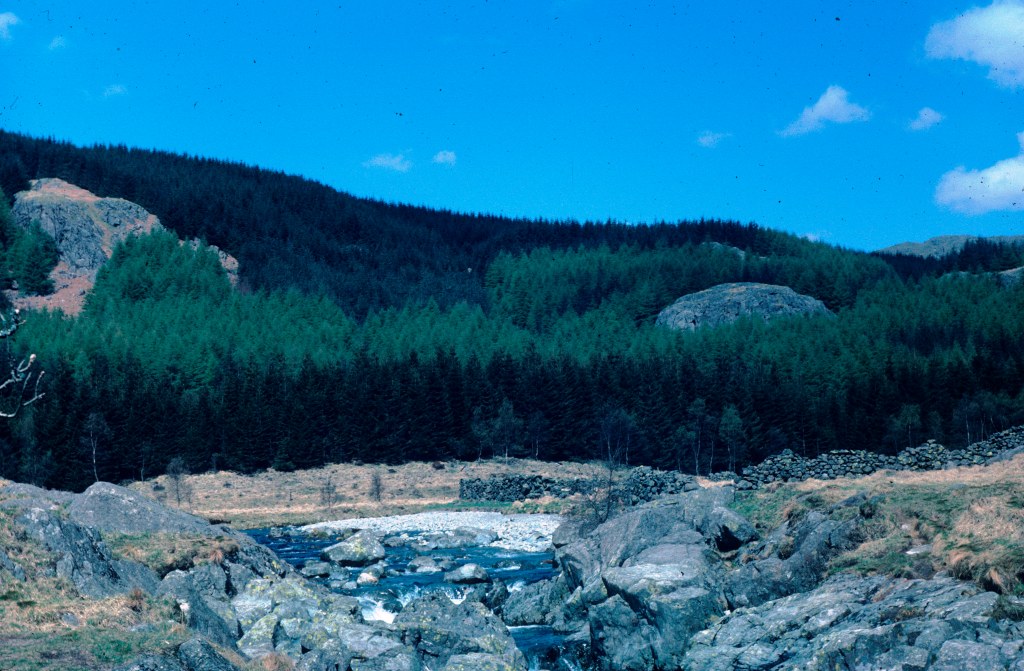
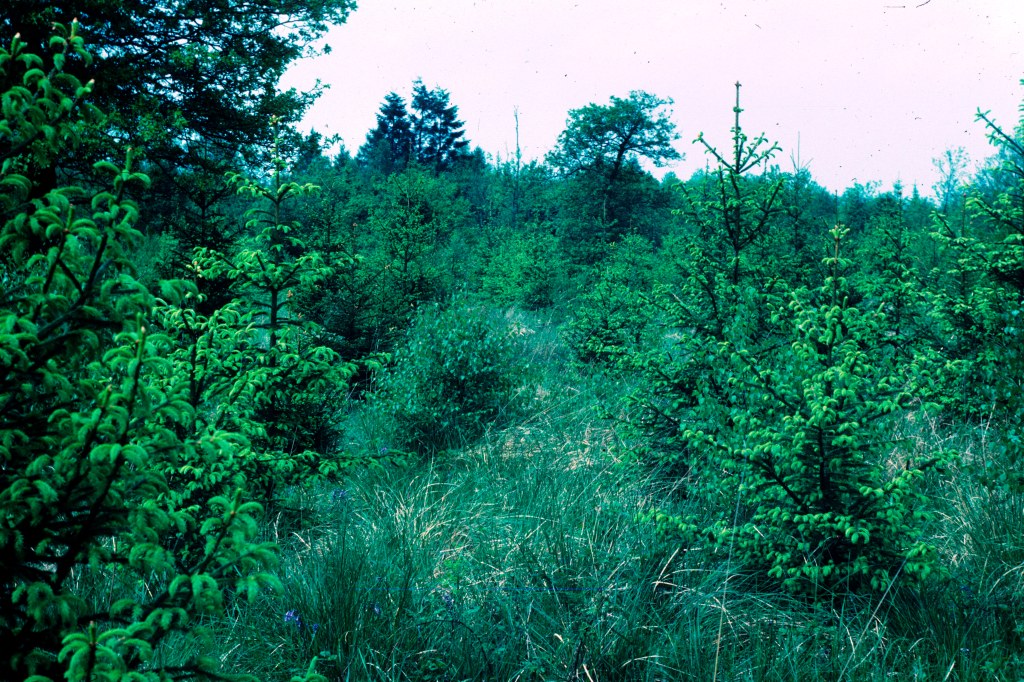
The consequences of past emergencies: 200 yr old oaks, upland afforestation and conifers planted in ancient woodland.
We are still just as heavily dependent on imported wood products as we were 85 or 110 years ago and the drive towards net zero means we should be using more, not less, wood in future, for example, in building, as fuel and as a source of chemicals. While we might not face a wartime blockade in 40 years’ time, global tensions could, as we have seen with the recent spike in fuel prices, send wood prices soaring. Third world countries are likely to increase their home-demands reducing what is available to us; exporting countries may decide to harvest less and leave the carbon sequestered in their forests to balance their own emissions.
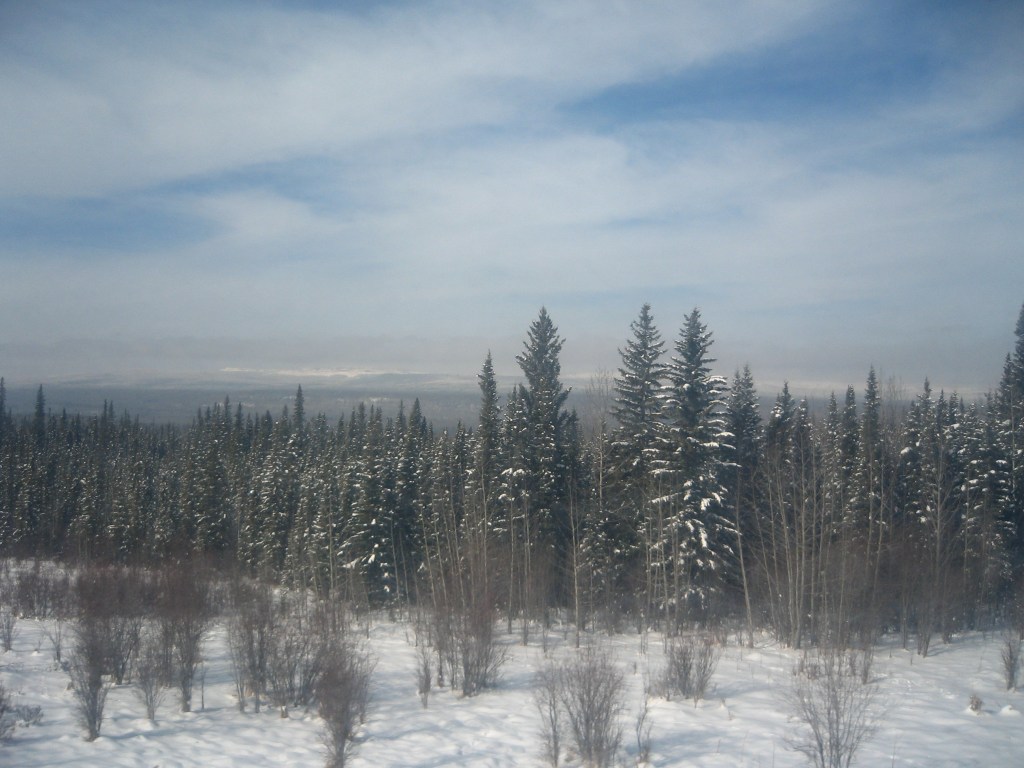
Will Canada or Sweden don’t want to continue exporting timber to us?
At the same time our forests are vulnerable to various of the global threats identified and a recent ‘horizon scanning’ exercise identified possible forest ecosystem collapse as a serious risk in Britain. Climate change will affect the growth of both native and introduced tree species; fires, drought and storms have the potential to reduce overall productivity levels. If Ips typographus establishes in Britain our production forests dominated by Sitka spruce will be at risk; already ash dieback could lead to some woods becoming carbon sources, rather than sinks, with implications for carbon budgets.
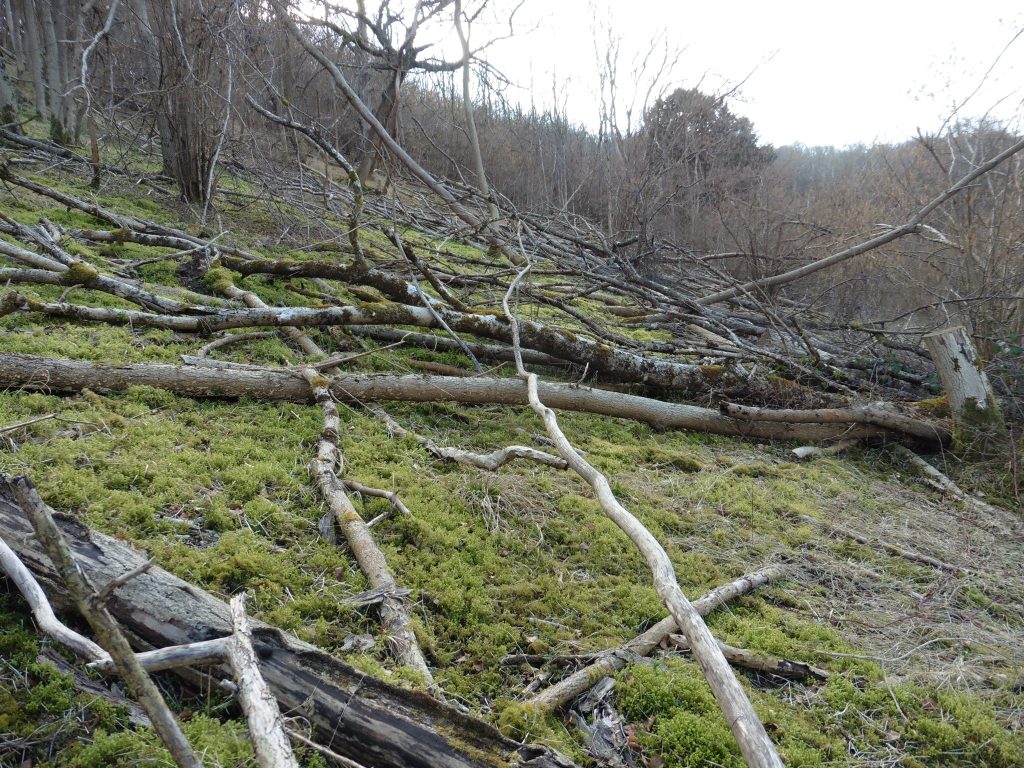
A set-back for sequestration through the collapse of this ash stand.
There is an understandable emphasis in the briefing on food self-sufficiency. However with a shift of diet we could boost our ability to feed ourselves and it would only take a few years to implement the necessary land-use changes as happened in WWII with the plough-up campaigns. That is not the case with wood and wood products: what will be available from our home-grown woods in an emergency in the second half of the 21st century is what has been or is now being grown. In England much of this in recent years has been broadleaved, of poor timber quality, in small parcels, and difficult to access.
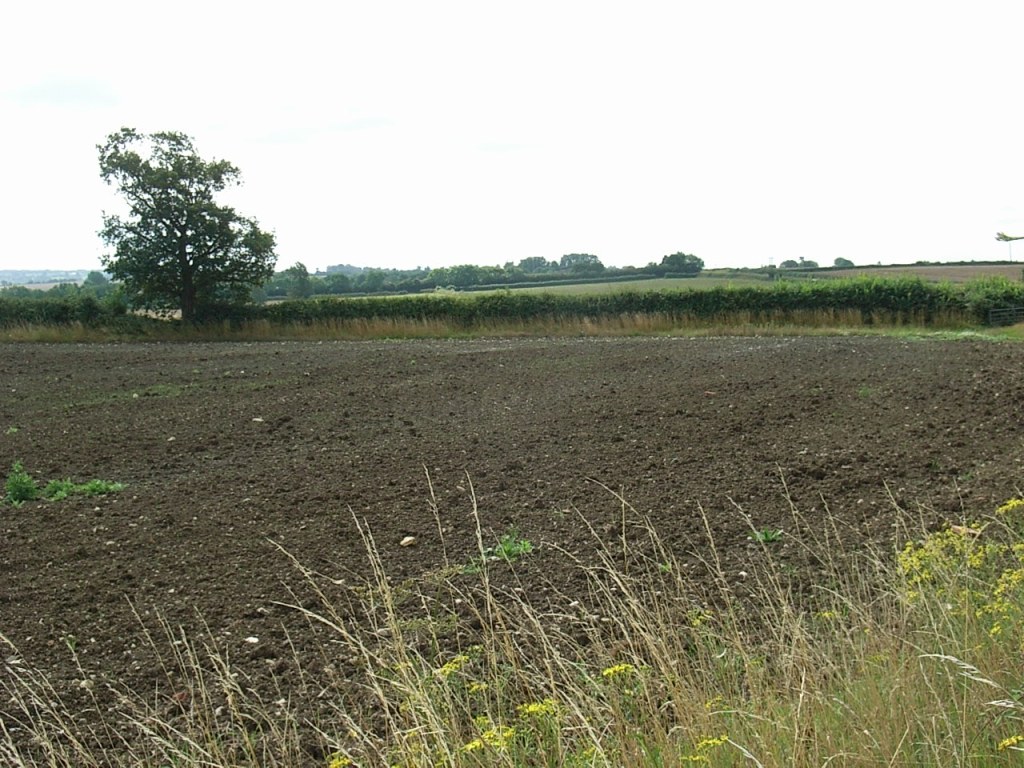
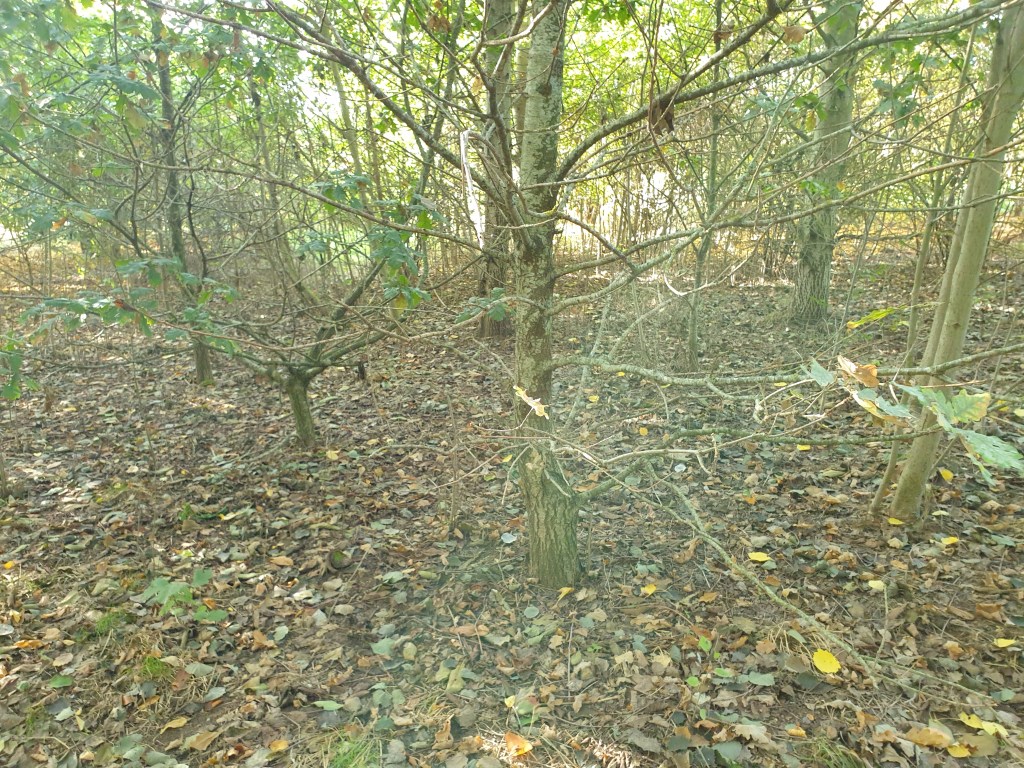
Arable crops can be changed quickly in an emergency; but the future timber crop depends on what we are growing now.
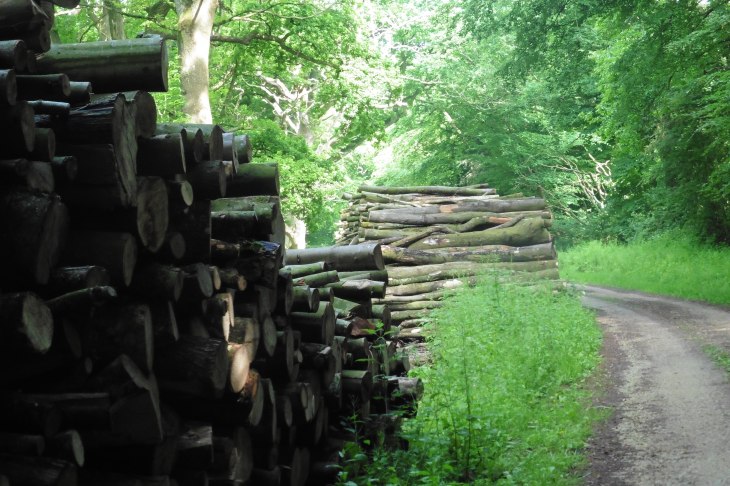
We cannot realistically be self-sufficient in wood products but we could try to ensure that more of our woodland (not just the current and new commercial forests) can contribute to a range of emergency needs, beyond nature and firewood. Perhaps woodland conservation managers should be expected to manage at least 10-20% of their stands in a way that will ensure they are able to provide good quality timber, if the national need arises? It is not beyond their skills to do this in a way that does not compromise other objectives. However, this does need to be recognised as an investment in a future public good, that is carried forward by them and their successors, not just left to chance and organisational whims and fancies. That way, when the next timber crisis occurs, less of our woodland and forests will need to be ‘devastated’. It would after all not be much different to asking citizens to have 3 days’ supply of tins of food in a cupboard: hopefully they won’t be needed, but they are there if they are.
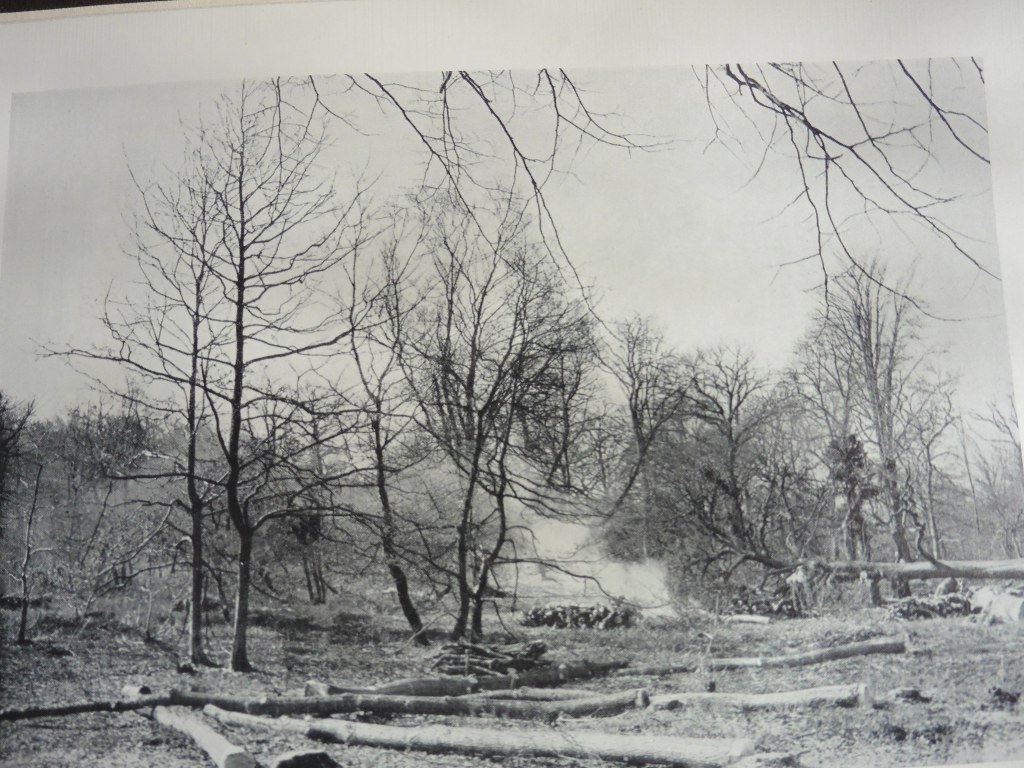
‘Devastated woodland’: image from the 1947 Forestry Census report.