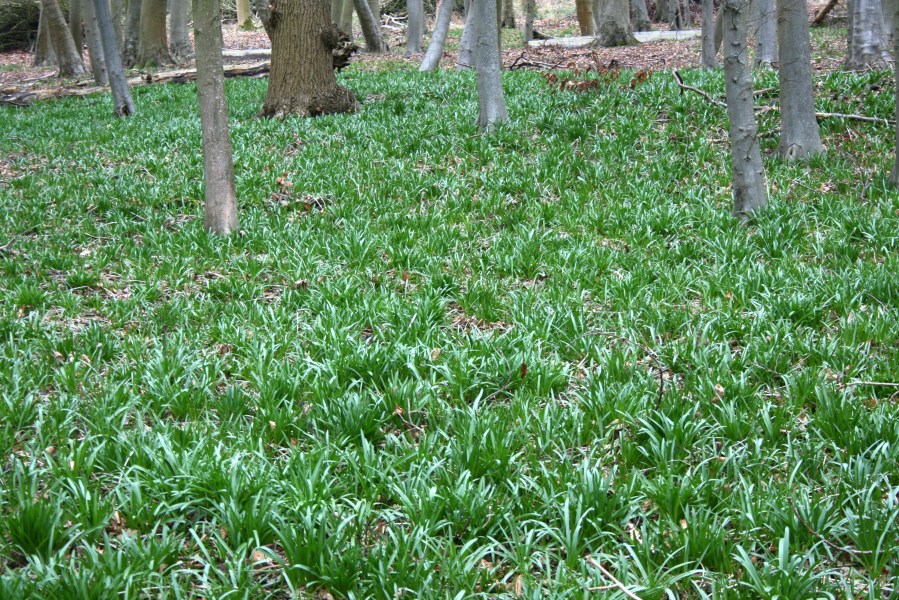
Woodpeckers are drumming in the woods; frogs are croaking in our pond. The snowdrops are in full bloom, primroses and celandines starting to open; the ranks of the bluebell leaves are assembling. On the bramble stems fresh green is starting to show in the buds contrasting with the holey, dark greeny-brown of last year’s foliage. All of which makes up for the squelchiness underfoot in Wytham.
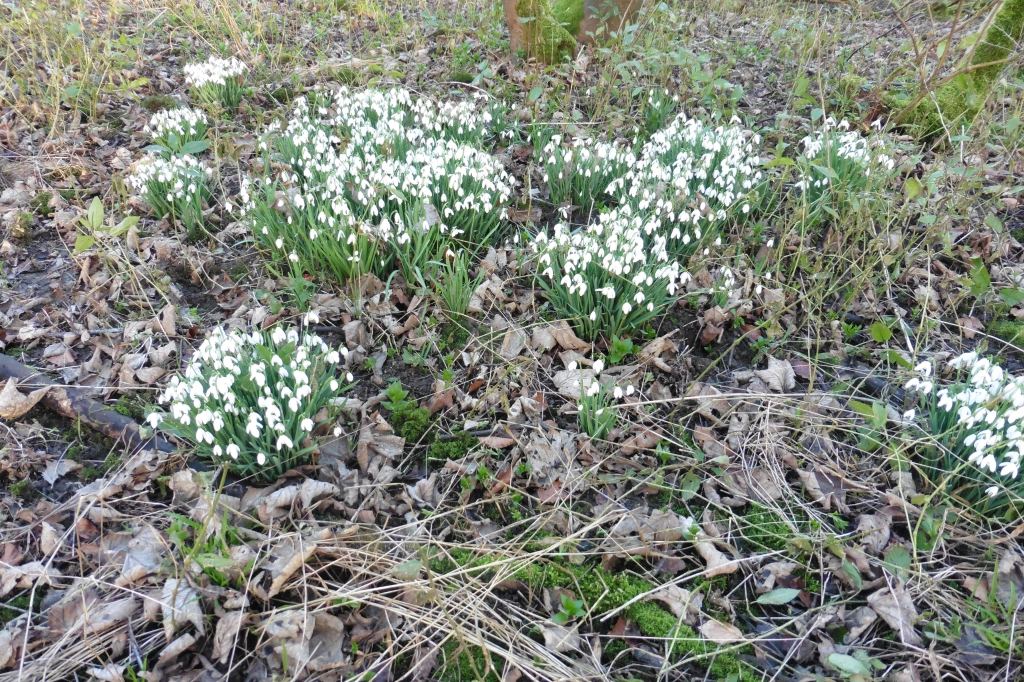
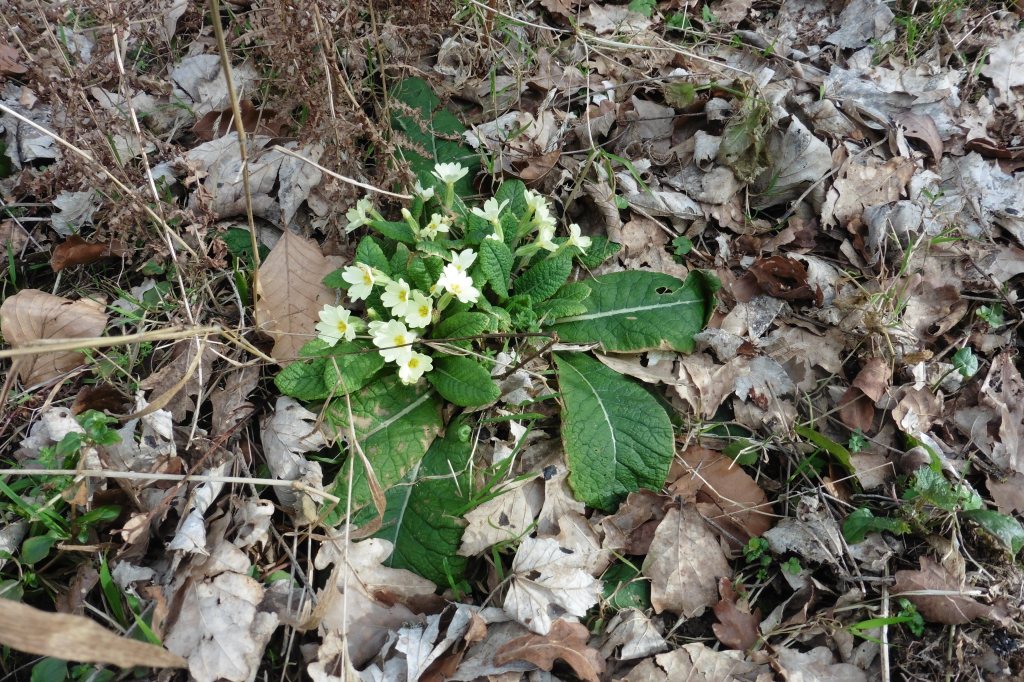
Snowdrops and Primrose
It really is a fascinating time of year. While there may be some false starts, over the next couple of months there will be a massive shift in what the Woods look like and the level of activity in them. We tend to take if for granted, but as the tree leaves develop, they greatly reduce the light levels (and temperatures) down at ground level; they drag water up through the roots and trunk and start to dry out the soil below them.
The Woods shift from being a net source of carbon dioxide, as they have been over the winter, to a sink, moving carbon from the air, into new growth in the leaves, stems and roots, with some also leaking out in the surrounding soil. Some of the carbon will rapidly return to the atmosphere through the respiration of the trees themselves, the fauna, the fungi and soil microbes that live on or around the tree, but there should be some net growth in above- and below-ground carbon stocks. As the trees come into leaf we can start to assess how much further Ash Dieback has progressed through the Woods; which of the old oaks may not make it through another year, particularly if there is a spring drought.
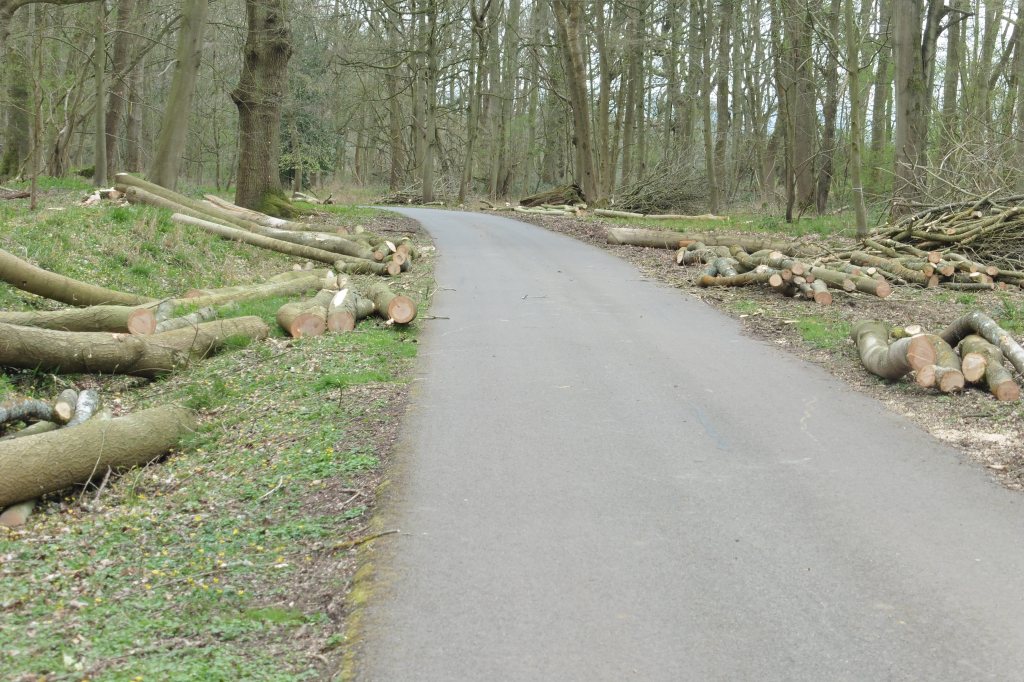
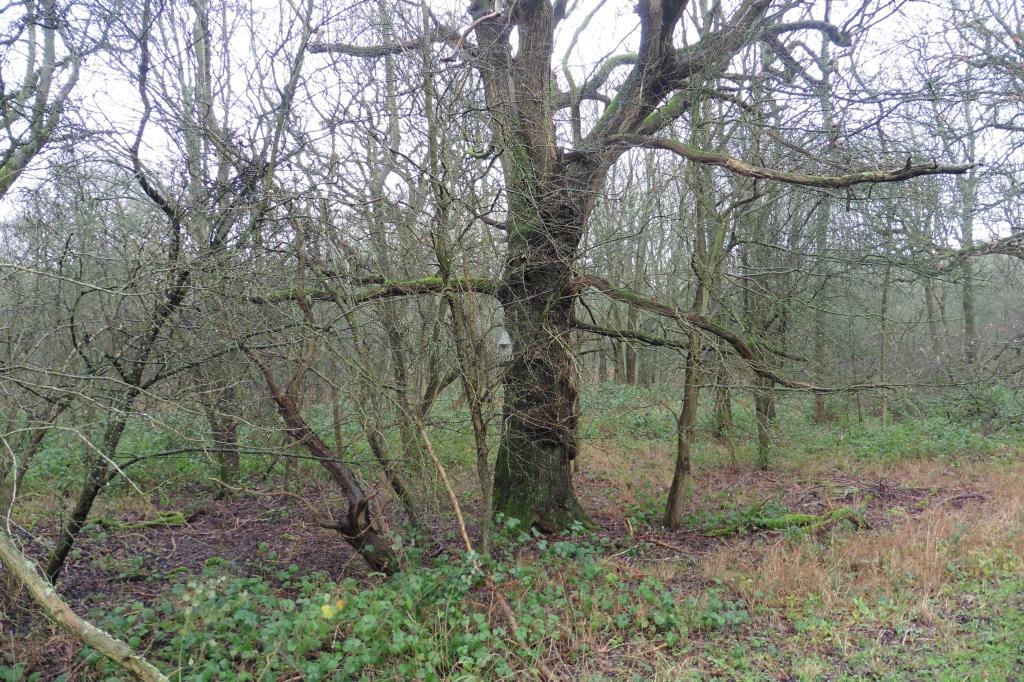
Ash affected by dieback, felled by the road for safety reasons; old oak in a precarious state
There will be the emergence of thousands of insects to take advantage of all the new food that is available to them – the pollen, nectar and new leaf growth. Thousands of bird eggs will be laid, hatching into hungry nestlings and millions of caterpillars, aphids and the like will be thrust down these demanding maws. Below ground the badger cubs are being born, soon to emerge and start foraging for worms, reinforcing the tracks their parents and grandparents have made through the Woods and adding their signature scents to the network of latrines.
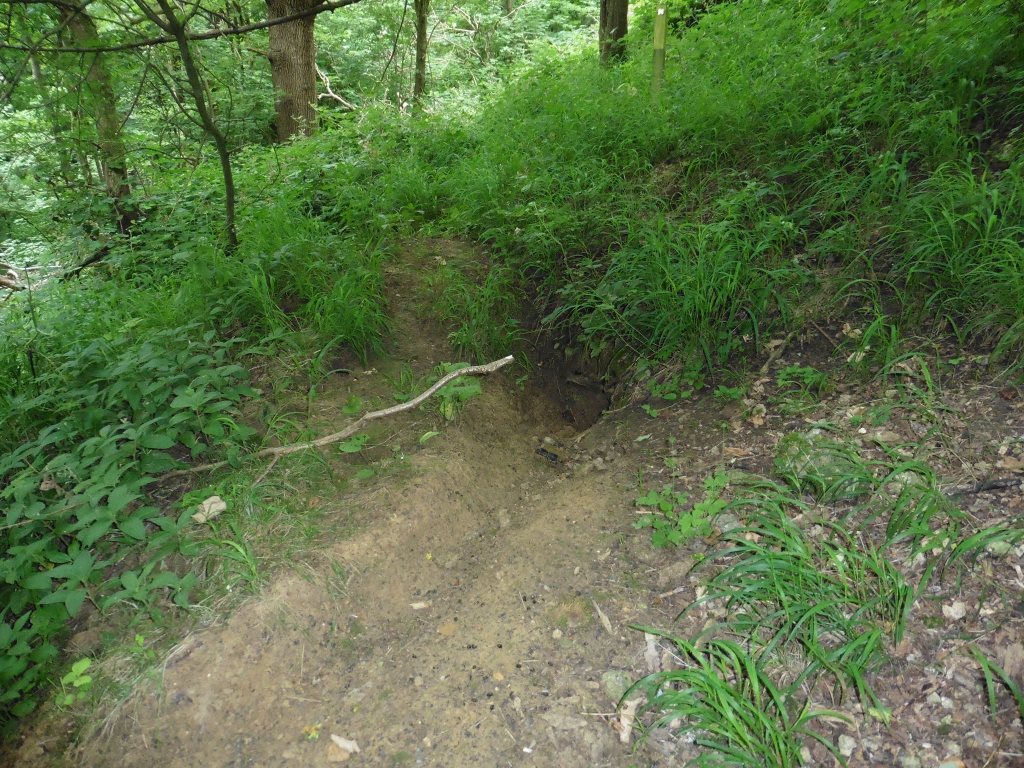
Badger sett
I am using this period to check the marker posts for the permanent vegetation plots. At the moment it is not too difficult to move through the Woods, to see from one marker post to the next, but soon the sitelines will close in as the brambles, nettles and bracken shoot up. Several posts have fallen over, through rotting at the base over the winter: they need to be replaced quickly before they get moved which will make it more difficult to find where their underground metal marker is. Others are starting to wobble – do we replace those now or risk leaving them for another year? I also want to do some more collecting of plants for the Herbarium; so time to plan where and when will it be best to find the gaps in my efforts so far.
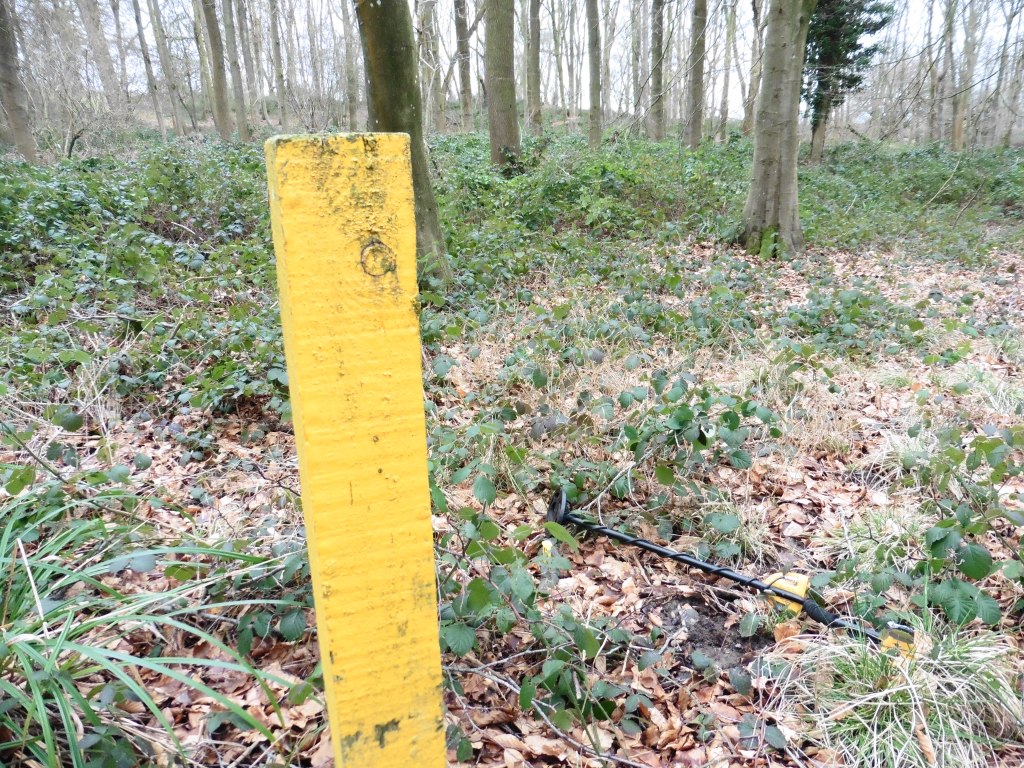
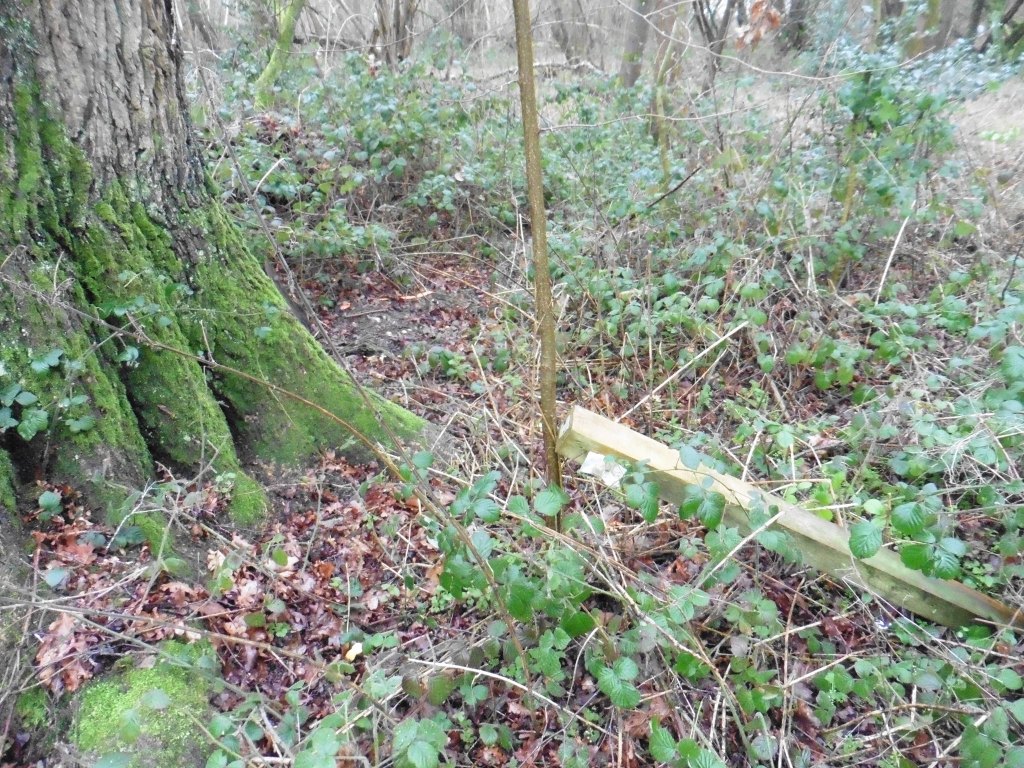
Posts standing and fallen
Then suddenly it will be summer, closed canopy, the spring flowers gone, the Woods working at full tilt; not seeming to change much from one week to the next, until the autumn closedown starts. It happens every year, but it still amazes me.

 The Old Man of Wytham