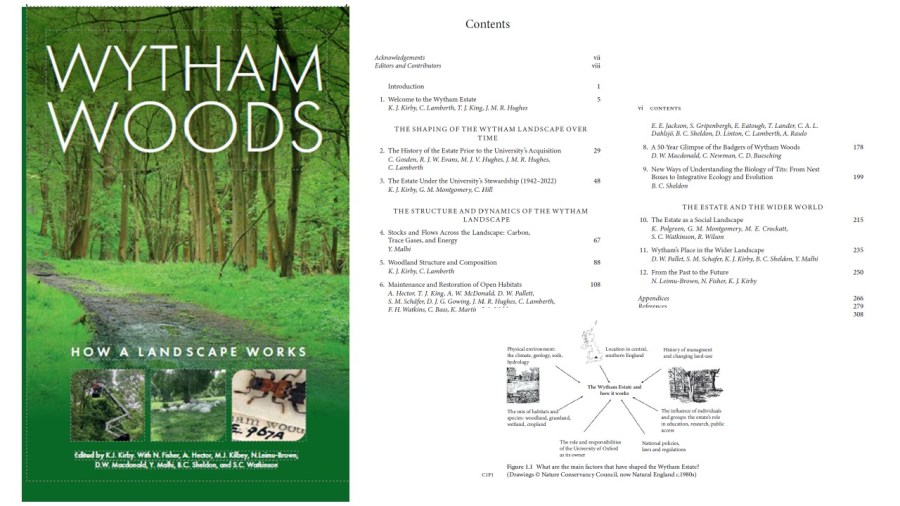
Apart from a few flakes we have missed the recent blizzards, much of the high winds while even the flooding of Port Meadow has not been anything out of the ordinary. All the ‘exciting’ weather has been elsewhere in the country. It is fascinating to see how much difference there can be in conditions across quite small distances; even just going from the Thames floodplain up Wytham Hill (about 100 m change in altitude) can mean the difference between slushy rain and proper snow. Temperatures on the north side of the hill can differ from those on the south by a degree or two; conditions under the trees are different to those out on the open grassland; the top of an anthill is likely to be warmer than on its north side. Which raises challenges when we are trying to project what how climate change is going to affect the species composition of the Wytham Estate over the next fifty years: what is the baseline climate for that particular species and how is it going to change?
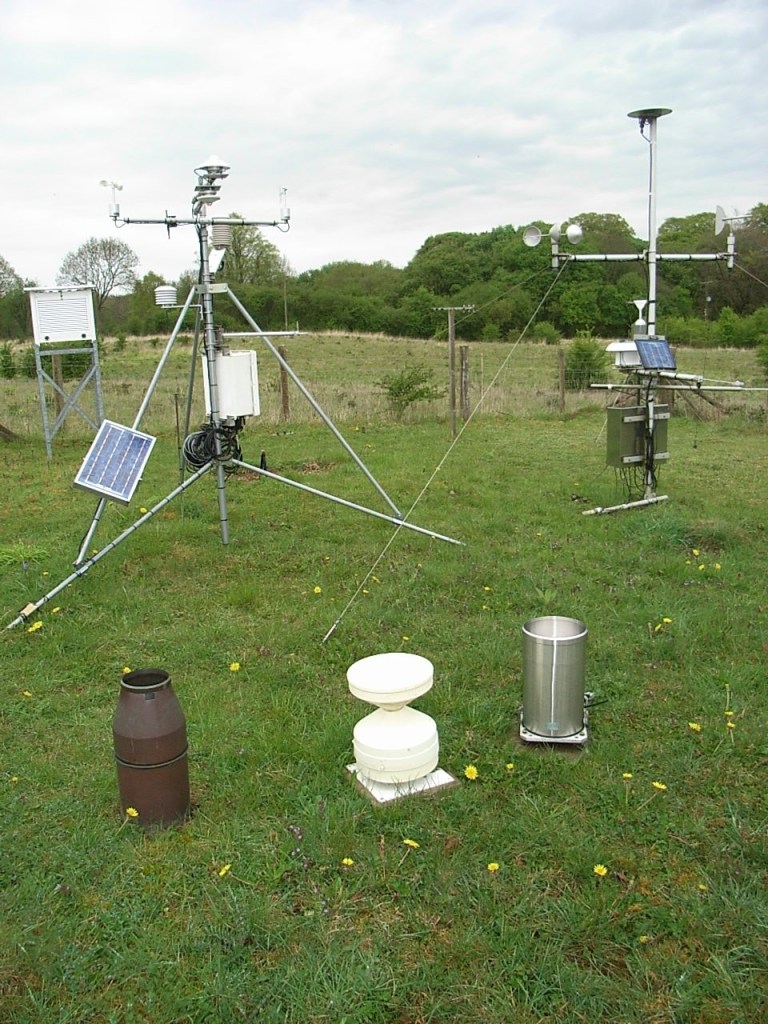
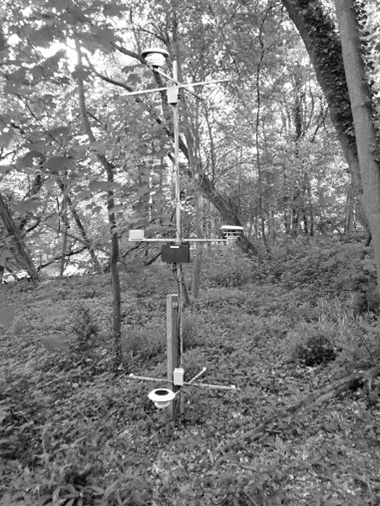
Only a few hundred metres apart but these two weather stations will record very different conditions (micro-metereology station curtesy of Curt Lamberth)
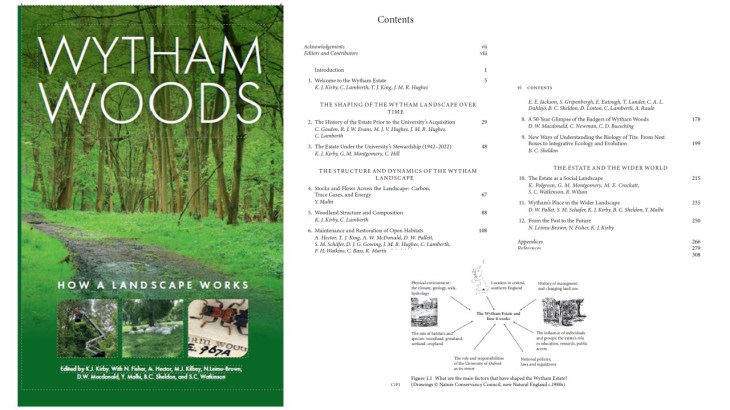
In the early 1990s I did not think significant climate changes would be seen in my lifetime – that changed for me when Tim Sparks presented his work on the way that oaks were coming into leaf significantly earlier than previously. Even when the 2010 Wytham book was being produced climate change still felt like a bit of an interesting research issue, whereas now it is mentioned more and more (if not always in the right way) as a factor in everyday decisions. Do I take that flight, should I install a heat pump, how can I reduce my carbon footprint? We deliberately did not have a separate climate change section in the new Wytham book, because it was an issue that came up in almost every chapter anyway*. The pollen core from Marley Fen highlighted that the climate changing was something that has always been happening over long-time periods, but the observations from the Radcliffe Meteorological State show the rapid temperature increases and changes in rainfall that have happened in the last century, in part because of human-induced global warming. So how is the work in Wytham helping our understanding of these processes?
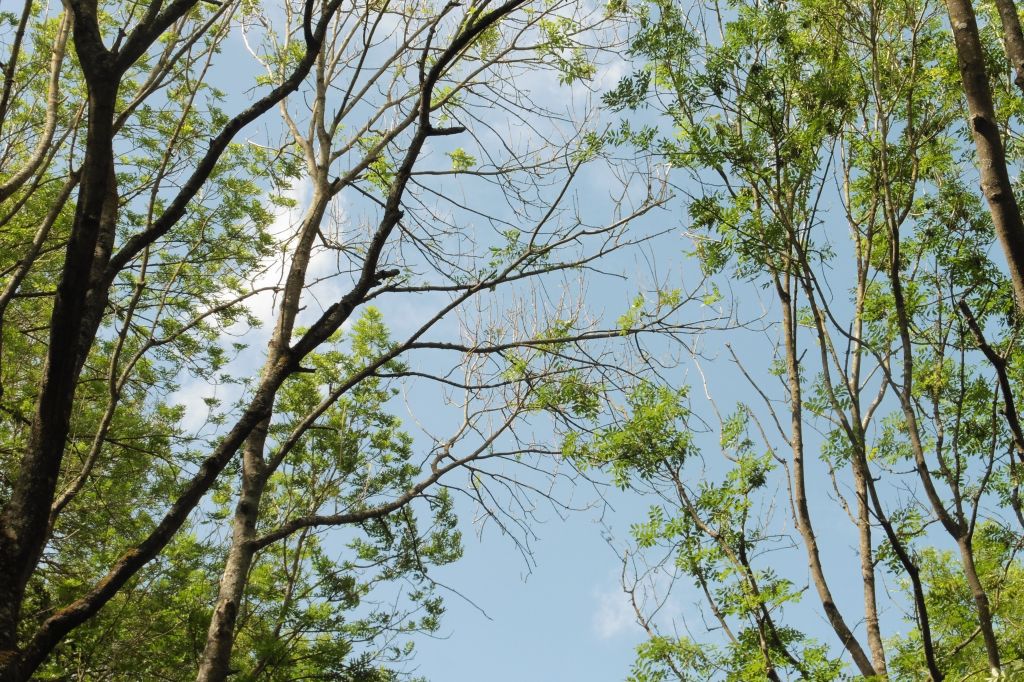
Building a carbon budget for the 18-hectare Smithsonian plot demonstrates the good news that the woodland is helping to off-set some of the emissions of the University as it is in a rapidly growing phase, but there are also important caveats. Much of the recent increase in carbon stocks may is in the cohort of ash established in the 1950s after the death of rabbits from myxomatosis: those ash are currently heavily impacted by Ash Dieback and so their productivity is much reduced. Productivity may be less at woodland edges than in the centre of a woodland block where it is usually measured; given much of British woodland is in small, edge-rich patches, there is a risk of over-estimating carbon uptake. On the other hand some of our methods for assessing the carbon stored in big broadleaved trees may have underestimated their carbon content.
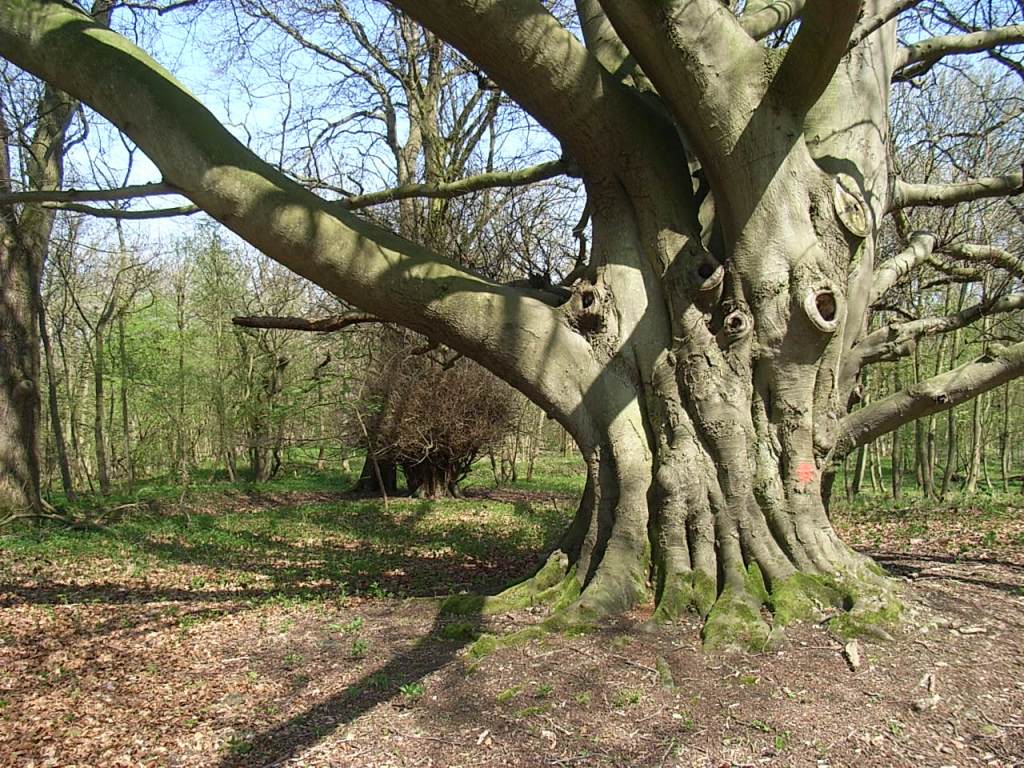
We also need to think about the carbon in the open habitats on the Wytham Estate. Shifts to organic and regenerative methods on the Northfield Farm should have increased farmland soil carbon. However the areas of open fen which occupy only a handful of hectares but are another important carbon store, are at risk from drying out.
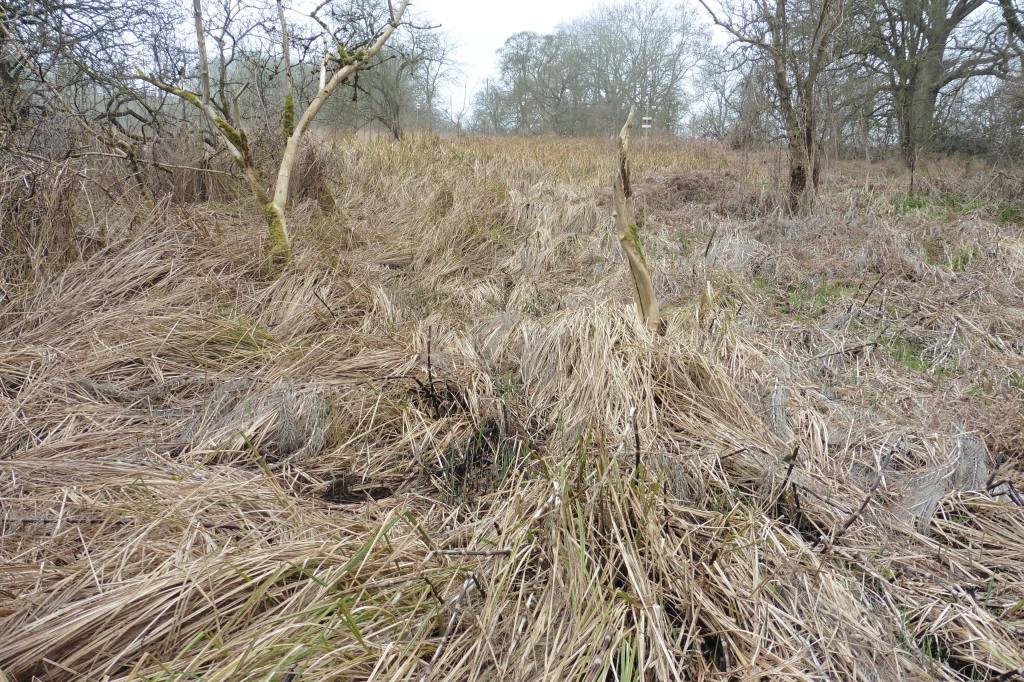
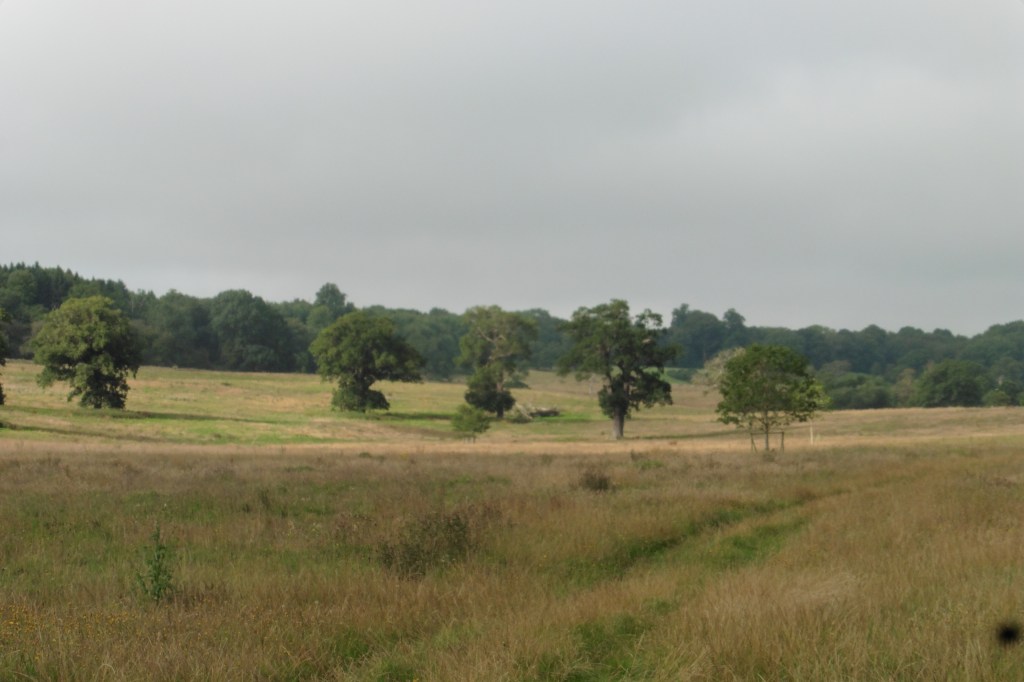
The open habitats in Wytham must be considered in carbon budgeting because some, like the fens are carbon rich and simply because the farmland covers such a large area.
For the last couple of centuries oaks (at least) have formed the main canopy trees but many have shown signs of recent canopy decline, partly from competition from faster-growing ash and sycamore, but also linked to dry springs. It is not clear yet if climate change is making such occurrences more frequent, but increasing variability in the weather patterns does seem likely in future, so further oak death should be expected. More erratic weather patterns may include longer summer wet spells, perhaps leading to more summer floods such as those in 2007 which affected the trajectory of Alison McDonald’s floodplain grassland restoration experiment. The Raindrop experiment on the top of Wytham Hill is testing experimentally the effects of both increases and decreases in rainfall on the limestone grassland there. Increased variability in the weather could lead to higher mortality in the badger cubs: dryer than normal summers reduce the earthworm availability which is their main food source; prolonged wet weather increases mortality from hypothermia and from gut diseases.
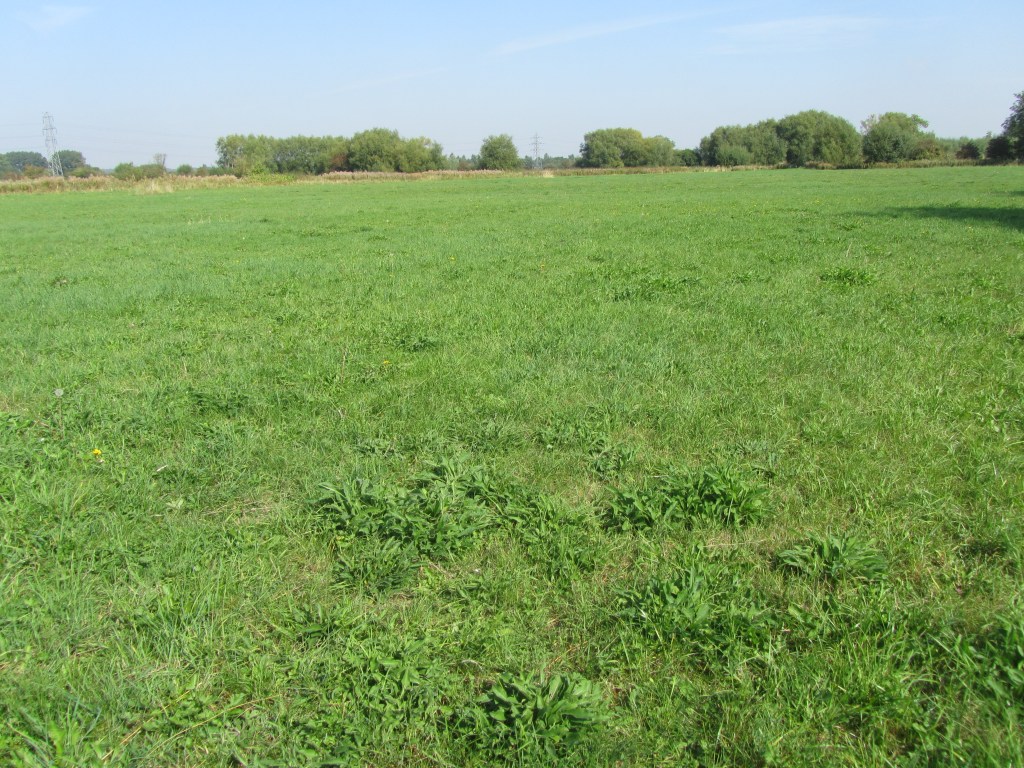
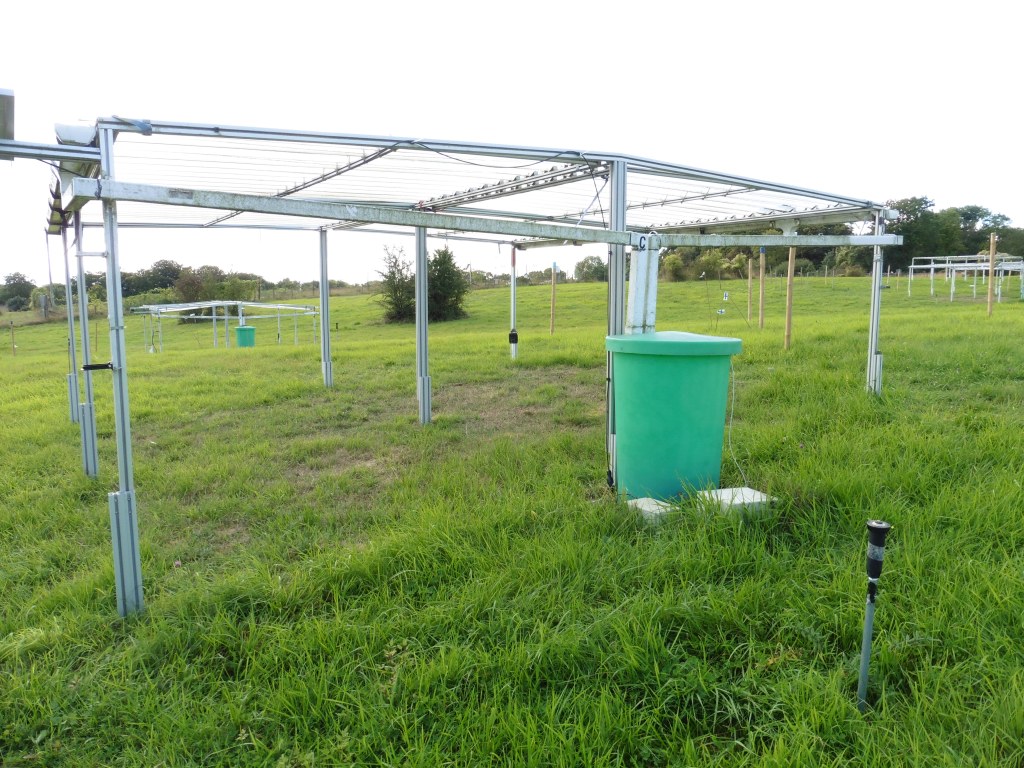
Alison McDonald’s restored flood meadow; the Raindrop shelters experimentally altering the water available to the plot below.
There has been much work in the past on the links between the timing of oak bud-burst, the timing and abundance of the peak caterpillar biomass on the oak leaves and the success of the breeding of the great tits. As each element changes individualistically to global warming in future, will these stay more or less in synchrony, and if they do not what will be consequences? This has given a boost to work on what is happening in the oak canopies, as well as in and around the nest boxes in which the tits breed.
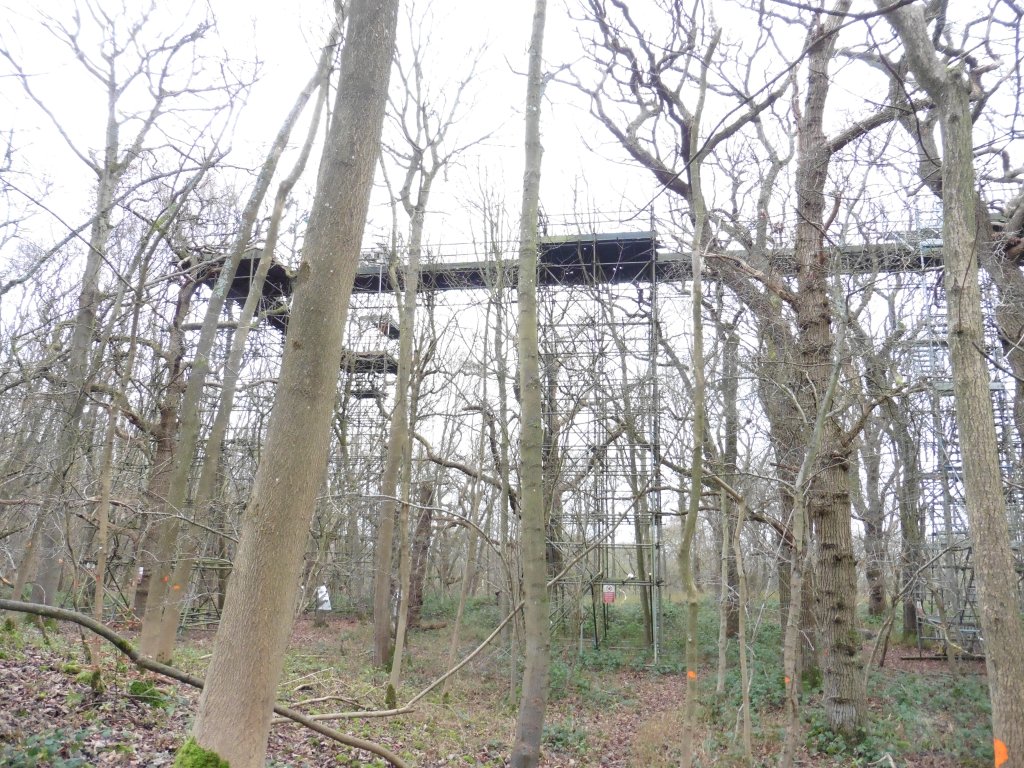
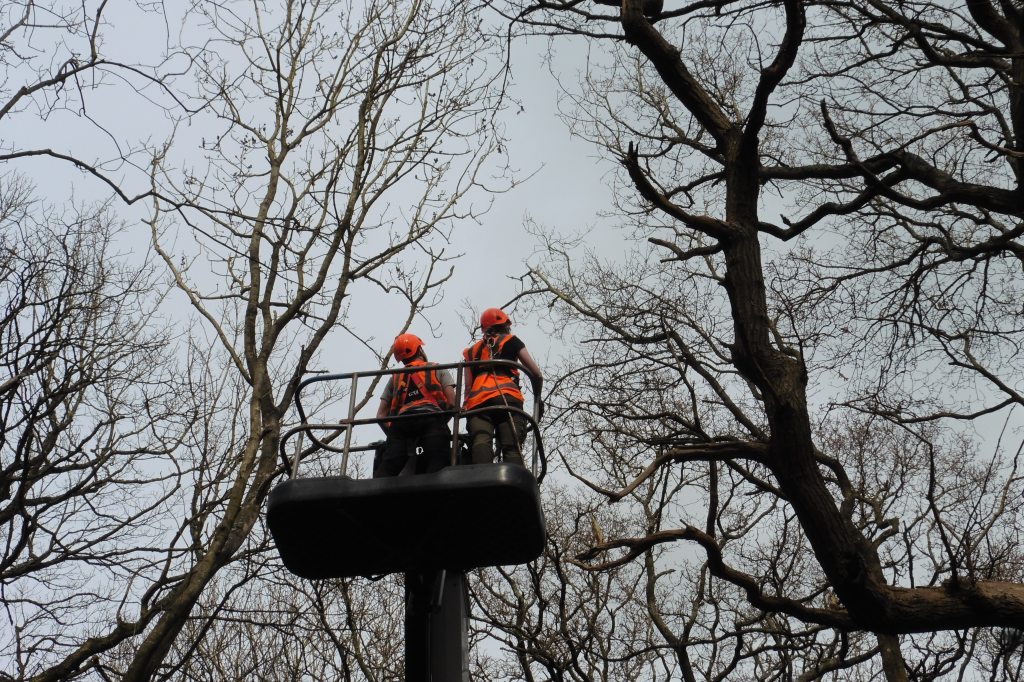
Exploring the canopy
And new species have been turning up in the Woods, at least some of which are spreading more generally as consequence of the changing climate. Clearly we are documenting the changes going on but to what extent can and should we also be trying to direct change through altering the management of the Estate? Should more planting of oak, but also other warmth-loving trees be done to provide some insurance against the ongoing losses of ash and oak, and the uncertainties of future ash regeneration? Is it realistic to consider integrating parts of the Northfield Farm with the woodland blocks as a rewilding area to see if produces a more resilient landscape overall? Should the importance of the Estate as a flood mitigation area and green lung for Oxford City become the main driving force for how it is treated? The next few years are going to raise these and other challenges, not just for Wytham but for the country generally.
* I promise that I wont be focusing on the book in all future blogs!


In your third para, you suspect that the edges of the woodlands will be less productive than their centres. The opposite situation was found in Kielder Forest 50 years ago, where the old compartments of spruce were in very regular 20 acre rectangles with wide rides between on all sides. Initial assessments by Mensuration Branch measured the edge trees because of access difficulties in unbrashed Sitka. This was abandoned when it was discovered that most compartments were noticeably ‘dished’ in profile, due to greater light availability on ride edges. Close tree spacing of c. 1.8m may have affected their growth, compared with broadleaved woodland.
LikeLike
Thanks. Interesting point. I will go back to the Wytham paper and see if there is a reason for the difference. It may be that the broadleaves at the edge were more subject to drying out.
LikeLike