
In folk tales and songs the woodman is generally a good character: he saves Little Red Riding Hood from the wolf. Foresters are a more dubious lot who deserve what they get: in one of the Robin Hood ballads, a group of foresters make fun of the hero and are subsequently slain out of hand;… Continue reading Woodman good, Forester bad?

Heading for the Hills
The other week, I had a walk over the Long Mynd. The plan was to get the train to Church Stretton, then walk (12 miles) up and over the hills to end up at Bishops Castle. The weather was brilliant, but less sensibly my pack was heavier than it could have been. It is not… Continue reading Heading for the Hills
Heading for the Hills
The other week, I had a walk over the Long Mynd. The plan was to get the train to Church Stretton, then walk (12 miles) up and over the hills to end up at Bishops Castle. The weather was brilliant, but less sensibly my pack was heavier than it could have been. It is not… Continue reading Heading for the Hills
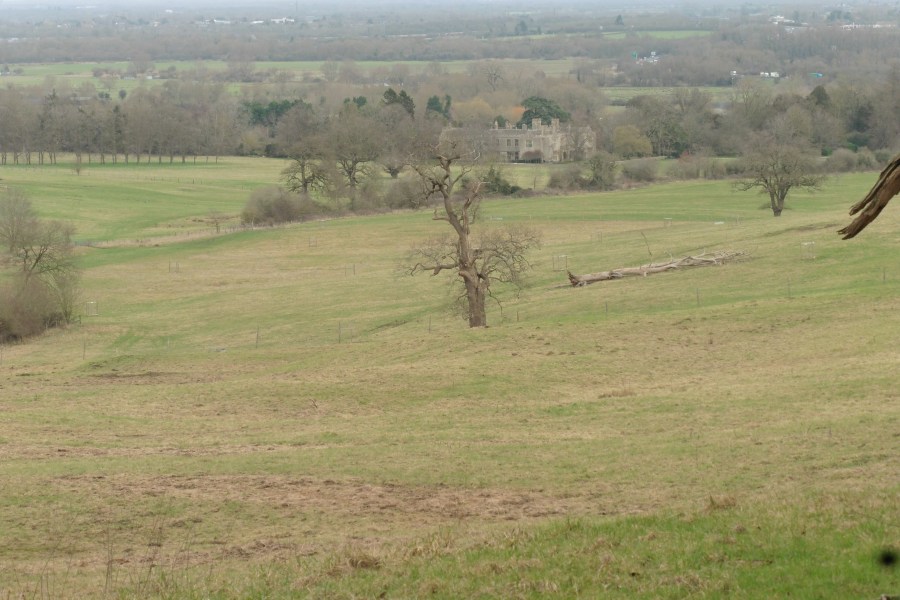
What should we do with our land?
Defra has launched a consultation on a land-use framework for England. This framework should provide the context within which discussions on land-use changes, whether on where to put new forestry plantations or where to put new solar panels. While people may agree with these changes in principle there are frequently objections over individual proposals. https://www.gov.uk/government/consultations/land-use-in-england… Continue reading What should we do with our land?
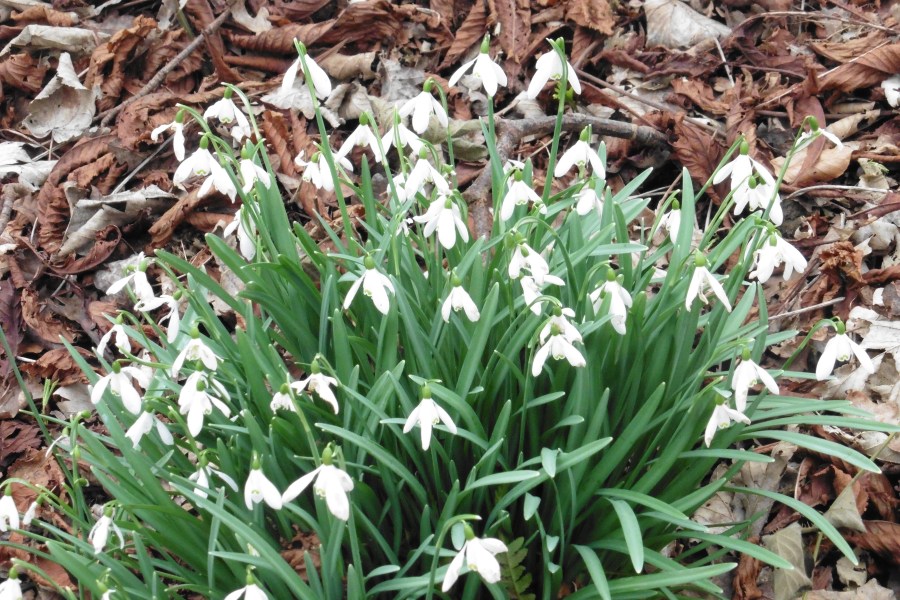
Non-native plants in woodland ground flora in the future
The snowdrops are coming into bloom in the woods on the top of Wytham Hill; soon there will be the (garden variety) daffodils and even a plant or two of star-of-Bethlehem: all non-natives, but I will enjoy their beauty none-the-less. They are part of the story of the Woods, mostly probably planted in the 1920s.… Continue reading Non-native plants in woodland ground flora in the future

Sound thinking, but uncertain comparisons
At the British Ecological Society Annual Meeting in Liverpool (2024) there was a soundscape of tropical birds and mammals running in the lecture halls in the run-ups to the start of the talks. Back home I encountered something similar recently when I walked on to Port Meadow. It was still dark but there was a… Continue reading Sound thinking, but uncertain comparisons
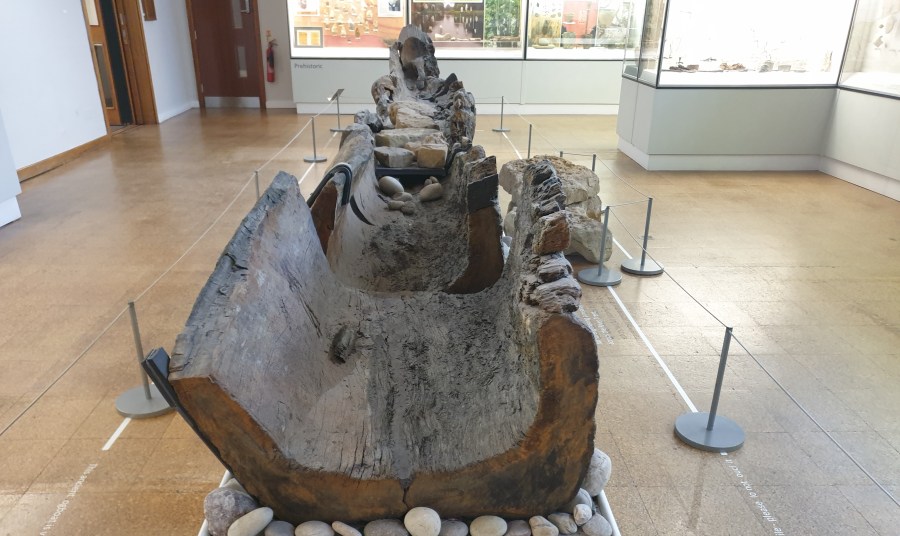
Paddle your oak canoe
Waterways are still important lines of communication in parts of Britain: I see the boats going up and down the Thames and the Oxford Canal on my bike ride out to Wytham Woods. Rivers were probably even more convenient highways and transport routes for our ancestors before the development of major road networks, although we… Continue reading Paddle your oak canoe
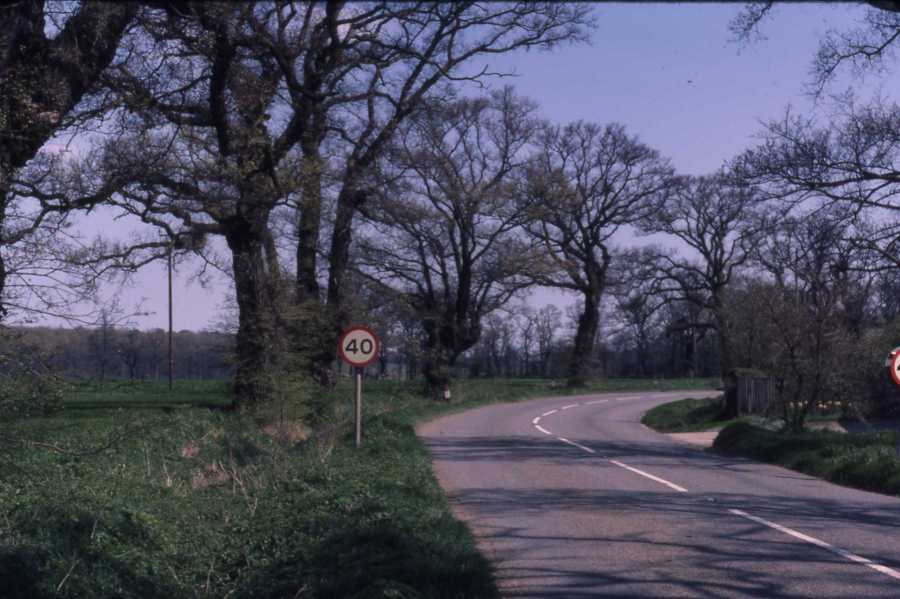
Forty years ago, a different climate
The past is a foreign country – we really did do things differently then; there were no mobile phones for a start. During much of the twentieth century there was massive planting of trees on peat and other soils with high organic matter, but prior to the 1960s there was not much concern about this… Continue reading Forty years ago, a different climate
Who ate all the dead wood
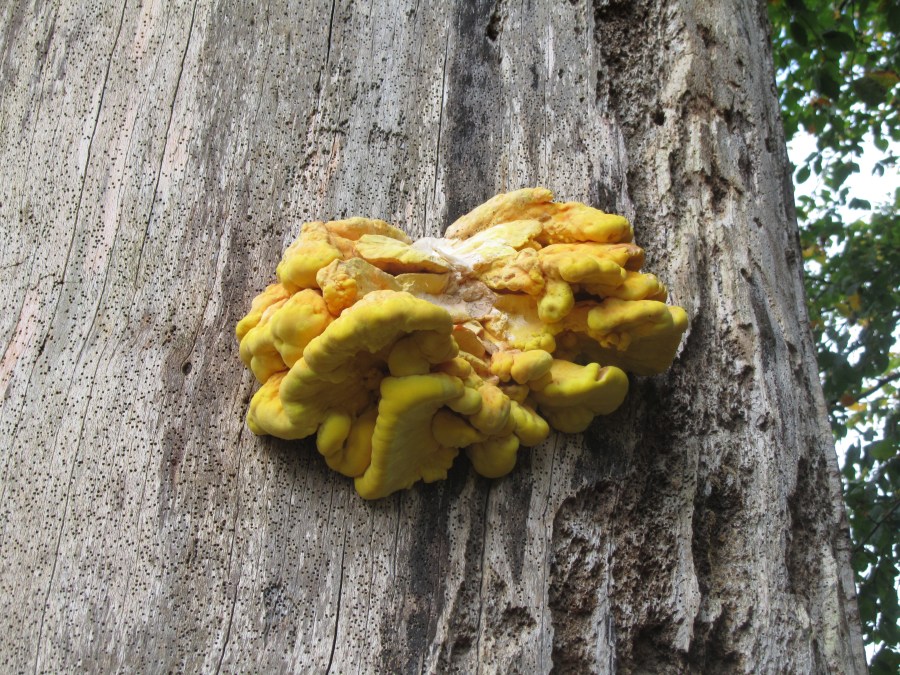
So much for hopes of an Indian Summer, with, instead, nearly a month’s worth of rain over the course of a weekend: on my morning walk I paddled through water, when yesterday the level had been about 15 cm below the path. In woodland the extra weight of the wet leaves and the soaking of… Continue reading Who ate all the dead wood
Mellow fruitfulness
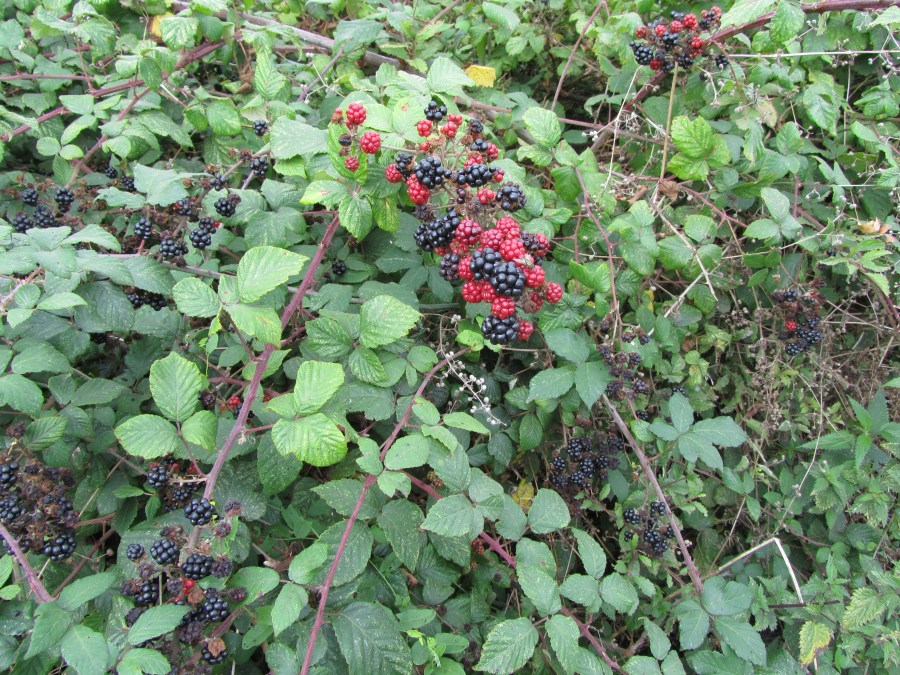
Autumn turns me into a part-time forager, raiding the blackberry bushes on my morning walk by Port Meadow. It brings back memories of the fields behind my childhood home, the overgrown hedges, with their bramble thickets. The fields sometimes also produced mushrooms, though these grew fewer over the years, perhaps because increasingly the grass crops… Continue reading Mellow fruitfulness
 The Old Man of Wytham