
A major project is underway to revise the ancient woodland inventories for England, taking them down to patches of 0.25 ha, improving the evidence base and the precision of the mapping. We will soon have a much better estimate of how much ancient woodland there is and where it is. However we know already that much of our ancient woodland is not in great shape.
There are sites recently damaged or threatened by development. Many more show the legacy of past forestry policies that favoured turning semi-natural stands into plantations. Ancient woods and trees are subject to high levels of nitrogen deposition from the atmosphere and the effects of climate change. That is all before we get on to the impacts of new and emerging pests and diseases, the ongoing problems of deer eating saplings and seedlings, squirrels damaging and killing trees by bark stripping. Woodland species, from butterflies to birds are in decline. Consequently a meeting last week on the future for ancient woodland included many calls for greater statutory protection for ancient woodland and wood-pasture, but is this where the conservation sector should be putting its efforts?


A by-pass through an ancient wood and past replanting of oak-hazel with spruce and pine
Ancient woodland in Sites of Special Scientific Interest have strong statutory protection, but many and the woodland species in them are also in unfavourable condition. Damage and destruction through development of known ancient woods should already be limited under the planning system; that it isn’t is often because local authorities do not have the staff, the time, or the interest to apply current policy.
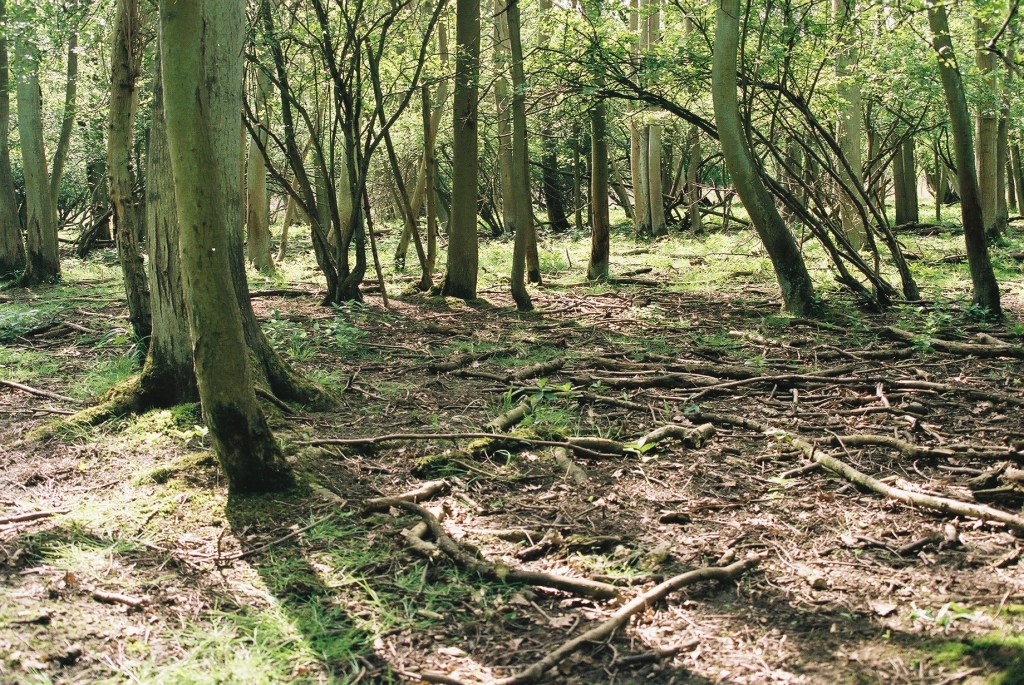
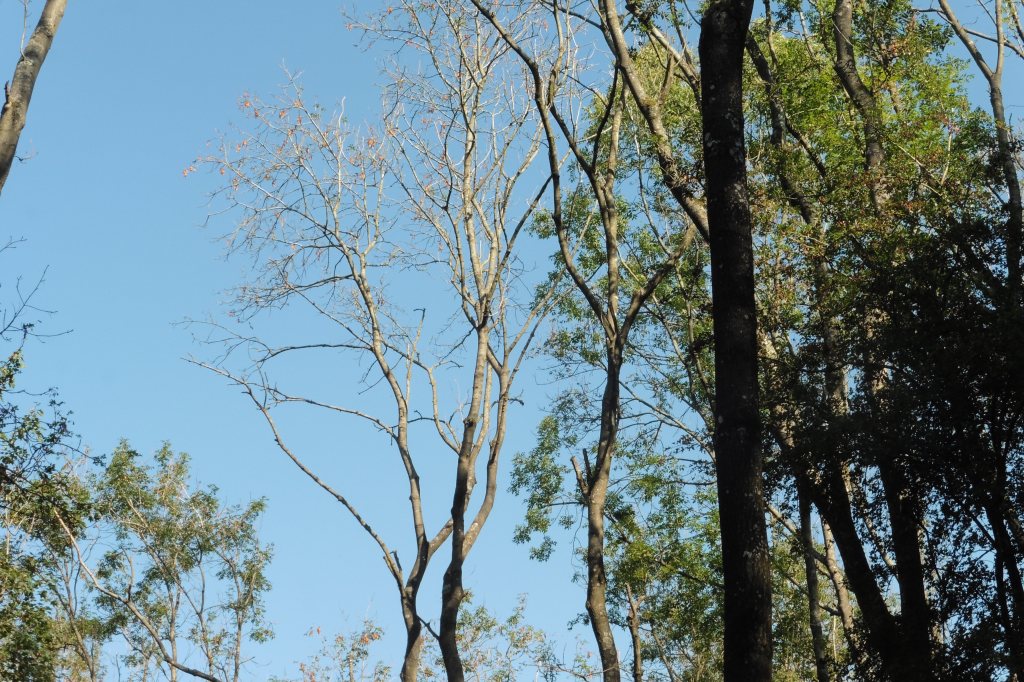
Deer-hammered SSSI woodland; Ash dieback threatening 25% of the canopy in this SSSI
New statutory protection might even end up being counter-productive. New designation could mean agency and local authority staff have to spend more time on the bureaucracy of the system. Ancient woodland becomes perceived as separate from its surroundings. Some owners and managers become less interested in doing anything positive with their trees and woods because it is likely to take them more time and they may be more restricted in what they can do. Government focusses on the designation as a measure of its action and success in halting some development projects but then fails to follow up with the resources for work needed where the designation does not make a difference.
What would be the alternatives?
- to press for local authorities and planning inspectors to be properly supported in applying the current policies effectively.
- to encourage many more owners to manage their ancient woodland, accepting that some of this will not put conservation and biodiversity as the top priority; I feel that 800 ha improving, with 200 ha inadvertently damaged is probably a better outcome than 100 ha managed perfectly for conservation but with 900 ha in slow decline;
- not focussing on ancient woods in isolation but as part of the wider landscape: most of our ancient woodland patches are too small to sustain some of their current interest independently of what is going on around them.
- conservation bodies being more open to their members and the public about the need to kill more deer, as currently the only effective landscape-control mechanism.

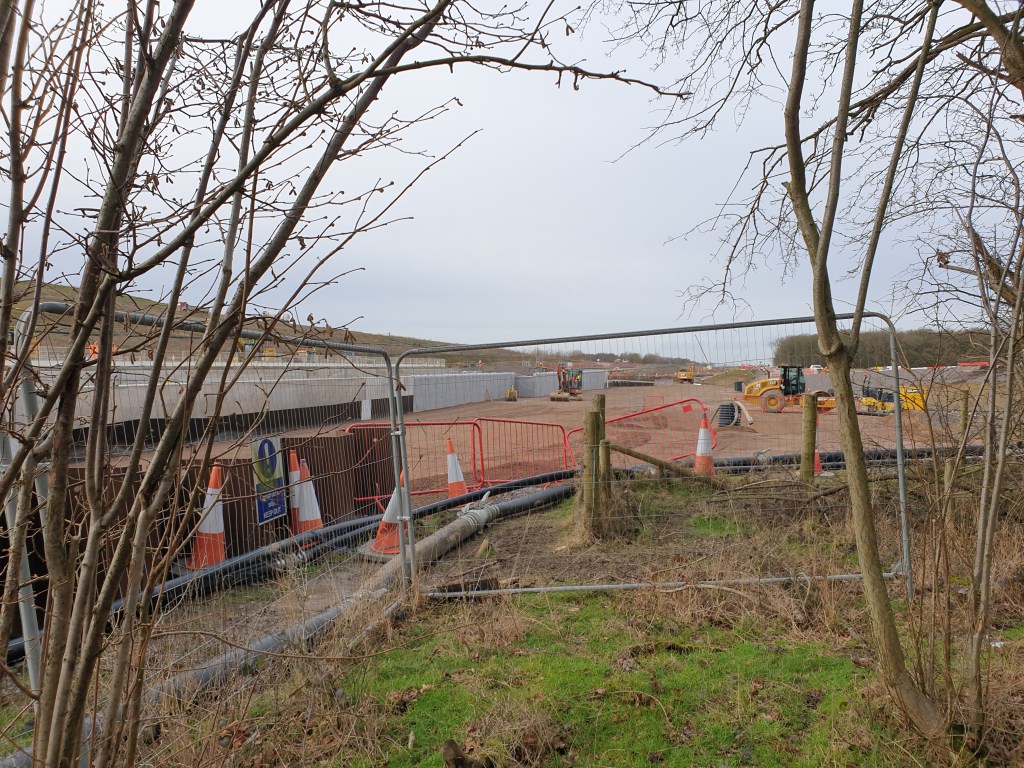
Though well-publicised, damage to sites through developments such as HS2 affects only a small minority of ancient woods and even a change in designation would not stop some of the projects. Far more sites, in number and area, would be likely to benefit from better management of deer country-wide, from more active woodland management, and from broader improvements in the countryside at a landscape scale. Such actions will all be needed, even if some new protection is assigned to ancient woodland.
Hence I think pressing for it at the moment may be a distraction. Weighing a pig does not make it fatter: better measures of and a change in designation for ancient woodland will not of themselves improve its condition. Concentrate on improving the state of woods and trees on the ground.
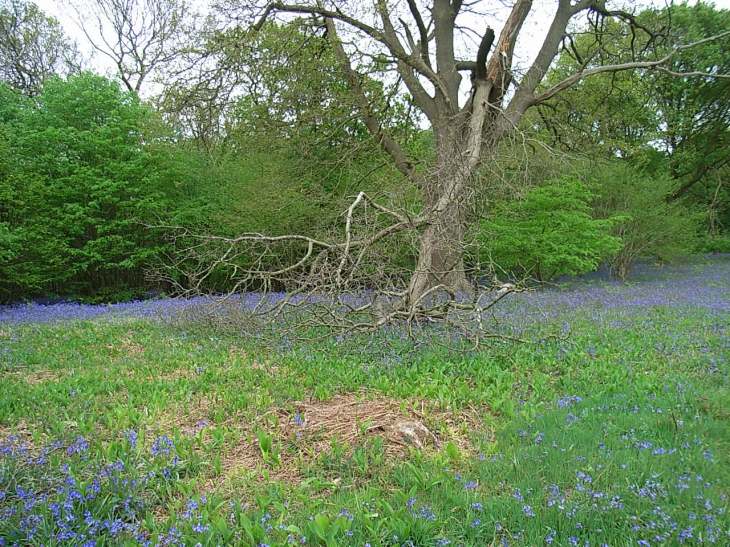

 The Old Man of Wytham