
In folk tales and songs the woodman is generally a good character: he saves Little Red Riding Hood from the wolf. Foresters are a more dubious lot who deserve what they get: in one of the Robin Hood ballads, a group of foresters make fun of the hero and are subsequently slain out of hand; in another ballad the forester gets his comeuppance after declaring: ‘I am a forester of this land as ye may plainly see; it’s the mantle o’ your maidenhead that I will hae frae thee’. Woodmen were the workers, the common folk; Foresters were, if not aristocrats themselves, then their servants implementing Forest Law when this was about protecting deer and other game and restricting people’s right to use the local resources. A trace of that caricature still exists today.


In some environmental quarters there is still mistrust of modern forestry and foresters. Having led the world in large-scale deforestation since the Neolithic, Britain can also lay some claim to fostering woodland restoration over the last century. Woodland cover has gone from about 4% to about 14%, through the efforts of foresters. That a lot of this was ‘ranks of spruce, dark-green to blackish, goosestepping on the fell-side’, as a 1930s commentator put it, was because two world wars had highlighted our dependence on imported (mainly coniferous) timber. Government policies and their agencies rightly promoted these species to form a strategic timber reserve. In addition much of the land available was generally not suitable for growing good-quality broadleaves.
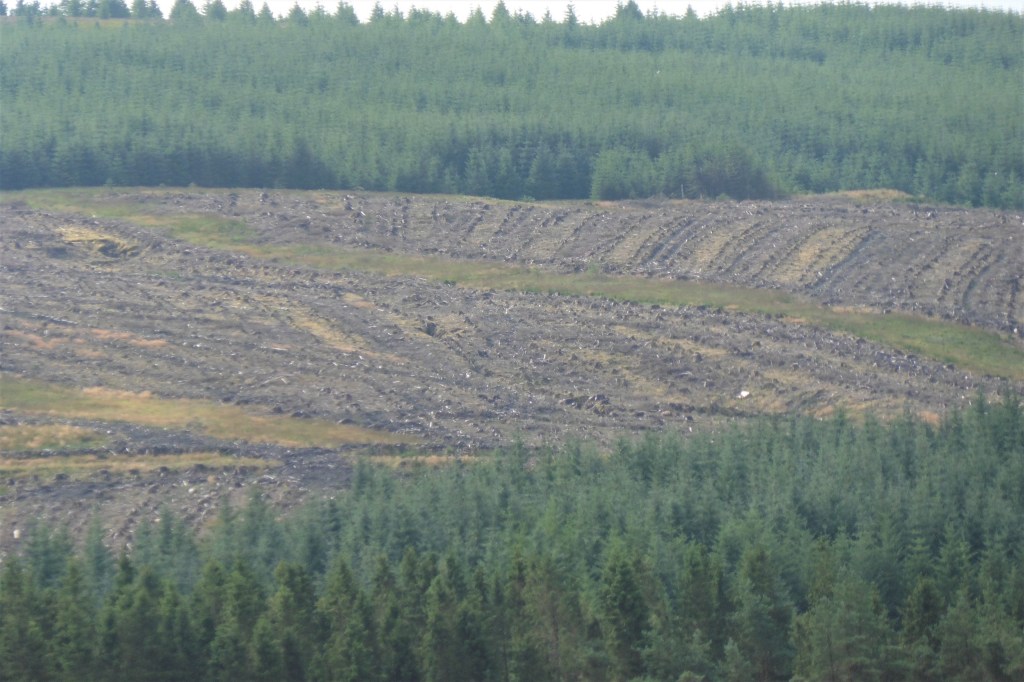
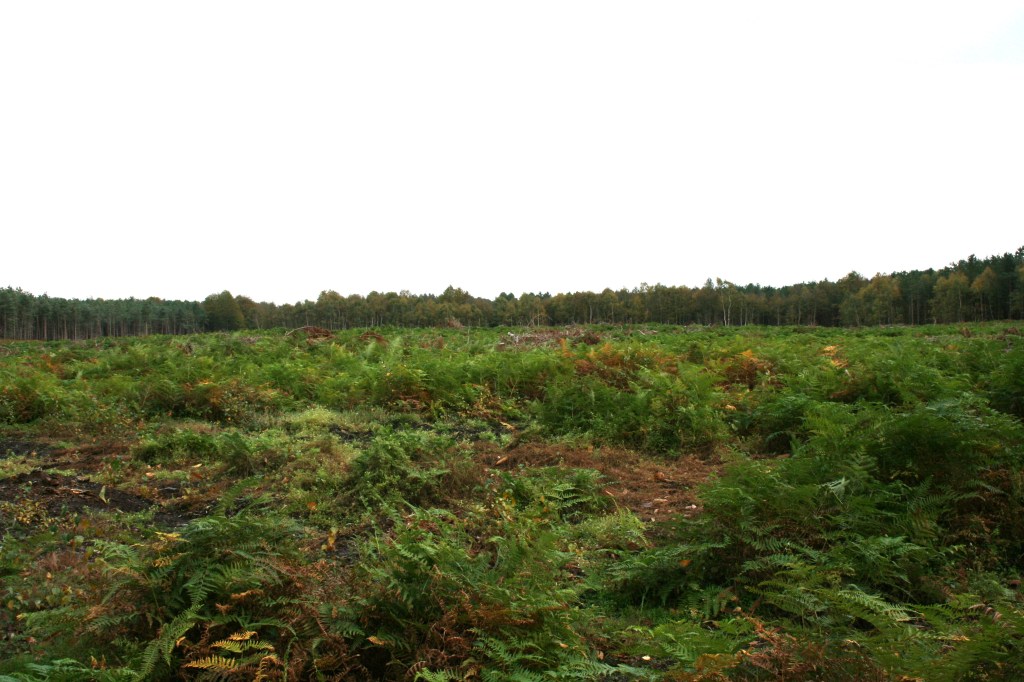
Many of the plantations were on peat, leading to high carbon losses as it dried out, but this was not a significant issue at the time; even the reports about the problems of upland afforestation produced by the Nature Conservancy Council in the mid-1980s do not refer to it. Other complaints about the afforestation approach did though lead to some voluntary restrictions on where new forests would go, to attempts to improve the look of the plantations and the setting aside of some areas for conservation such as Lady Park wood: a recognition that forestry needed a social licence to operate, as well as government backing.
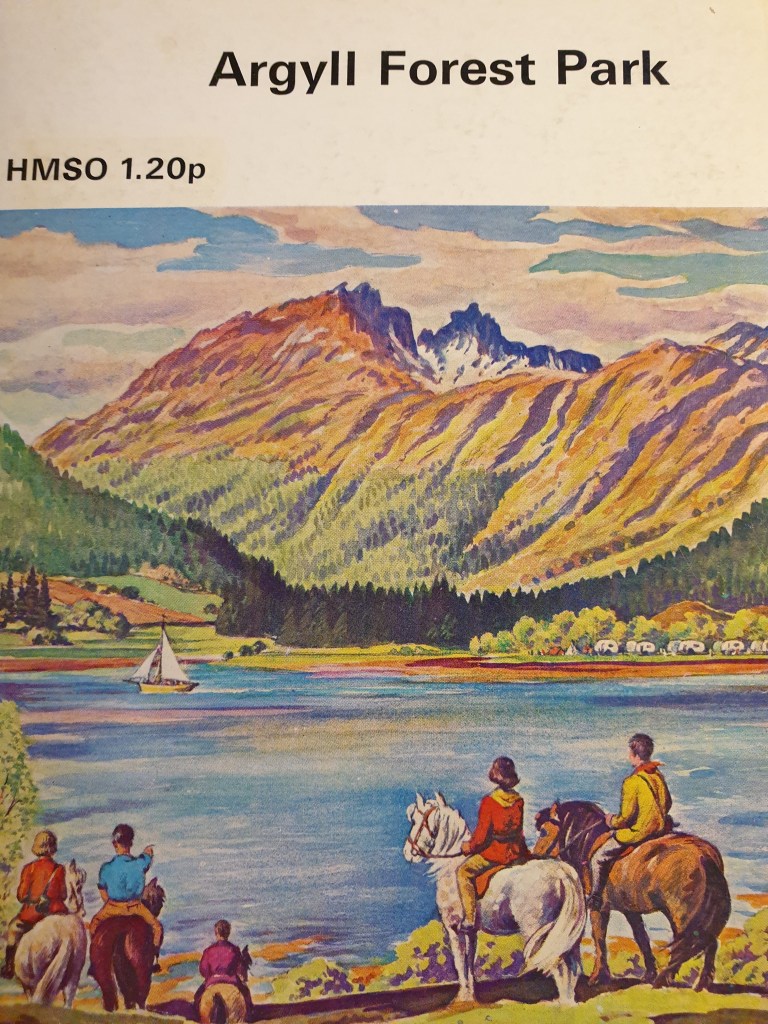

By the 1960s as the government decided a strategic timber reserve was no longer a priority, fast-growing tree crops became even more favoured by economic forces. Mixed crops that had been intended to have broadleaves as the final product were thinned to favour of the conifers instead. Many of the woods affected were ancient sites but they were not called that, because the concept would not be developed and widely promulgated for another decade. Moreover wildlife declines happened in the woods left to themselves, not just in those chosen for timber production. Traditional management practices such as coppicing, associated with swathes of bluebells, butterflies and birdsong, and the pollarding of old trees were dying out: the mass markets for their products had largely disappeared.The conservation sector was too small to have much influence and the scale of the changes happening was not widely appreciated.


The push-back against clearance and replanting of broadleaved woods (and particularly ancient woods) from the early 1970s, led to the 1985 Broadleaves Policy. Public opinion built up against large-scale afforestation, particularly in the Flow Country of northern Scotland, and the Treasury decided to change the tax rules that had supported this approach. During the 1990s and early 2000s the rising interest in biodiversity in government and amongst the public, required that forestry and foresters take a much broader approach to the sustainability of the woods they were creating and managing. The terms of their social licence to operate had changed again.
I think another shift has been happening over the last decade. The reality of climate change means that the value of trees and forests, and wood-products, as carbon reserves is increasingly of interest. This should also be affecting our approach to managing broadleaved woods, to improve the quality and value of the trees. Even in woods where production is not the prime objective, there may be some scope to produce wood or timber; and where trees are going to be felled anyway, to create open space or widen rides, we should be aiming for more than just firewood!
The woods we have inherited, whether from the 17th or the 20th centuries represent the interaction of current management and the product of previous decades or centuries of past management decisions, some of which we may not agree with. One generation objects to the planting of the likes of Thetford and Kielder, the next raises objections to the thought that they might be sold off and cleared. One generation sees pollards in Epping Forest as vegetable monstrosities; the next as valuable cultural icons. Government prioritises funding for production at one time, wildlife at another, probably carbon for the next few decades, and who knows what after that?
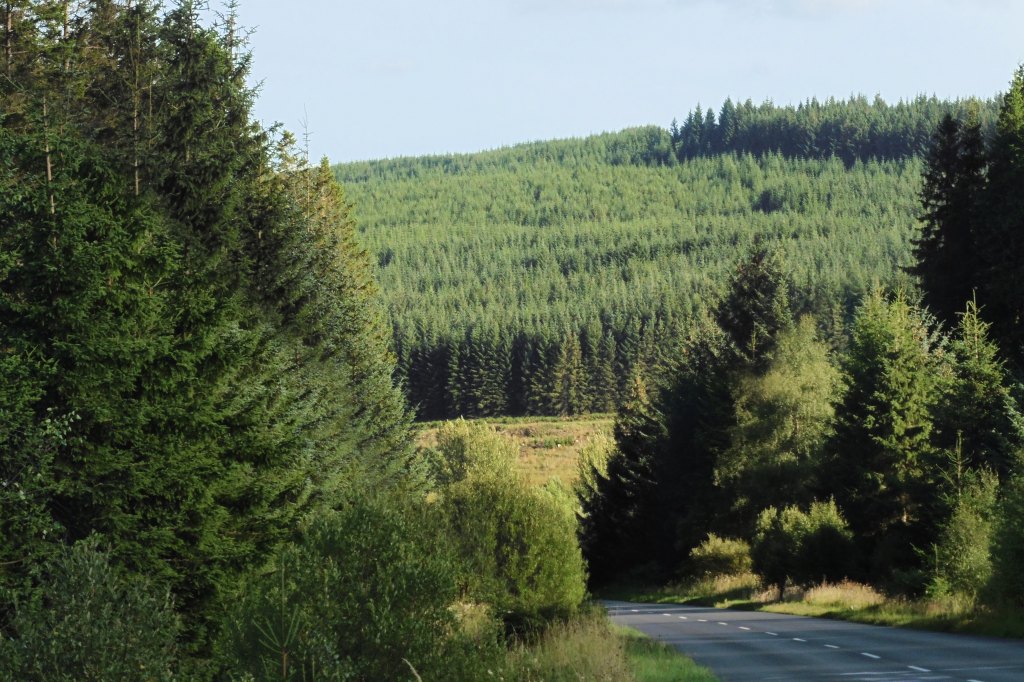
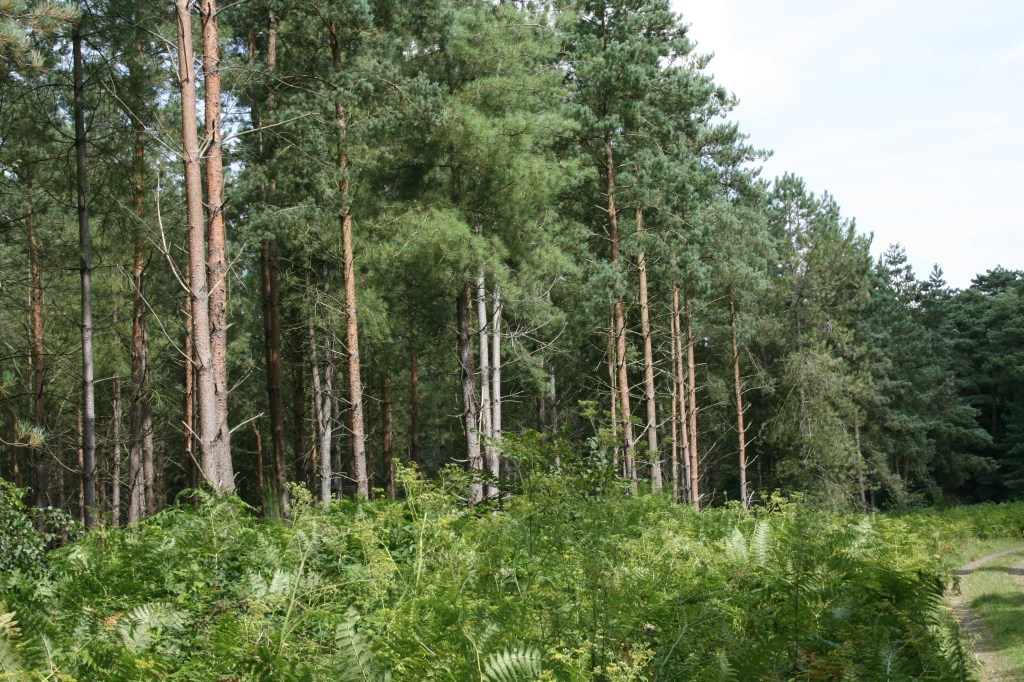
Dealing with climate change must be high on the agenda, but there are other issues in the background that may have a significant influence on how forestry develops. Will new regulations be brought in to increase protection for ancient woods and trees: will the ‘right to roam’ in all woods in England and Wales be resurrected; will there be more pressure for large-scale removal of forests from peat sites; will the conservation sector accept a wider role for novel ecosytems (involving new species and new types of forest structures) in meeting biodiversity objectives; will damage to archaeological features become the new cause celebre leading to restrictions on new woodland creation and woodland management? What will the terms of the next licence-to-operate look like?
In a world of Google Earth imagery and social media campaigns foresters need to be and to be seen as environmental guardians, as well producers of wood and timber: providing society with what it wants as well as with what it needs. Perhaps, in the next generation of pub signs, there will be more called ‘The Forester’?


 The Old Man of Wytham