
The other week, I had a walk over the Long Mynd. The plan was to get the train to Church Stretton, then walk (12 miles) up and over the hills to end up at Bishops Castle. The weather was brilliant, but less sensibly my pack was heavier than it could have been. It is not an area I have explored before, although I came across it in the 1950s and early 60s as the setting for the Lone Pine Club stories of Malcolm Saville. The children in them were easier to relate to than the Famous Five and the landscapes were far more exciting than the rather flat countryside of south Essex. Looking back towards the Wrekin as I started up the hill, the view also made me think of the Lonely Mountain or Mount Doom in the maps of Middle Earth.

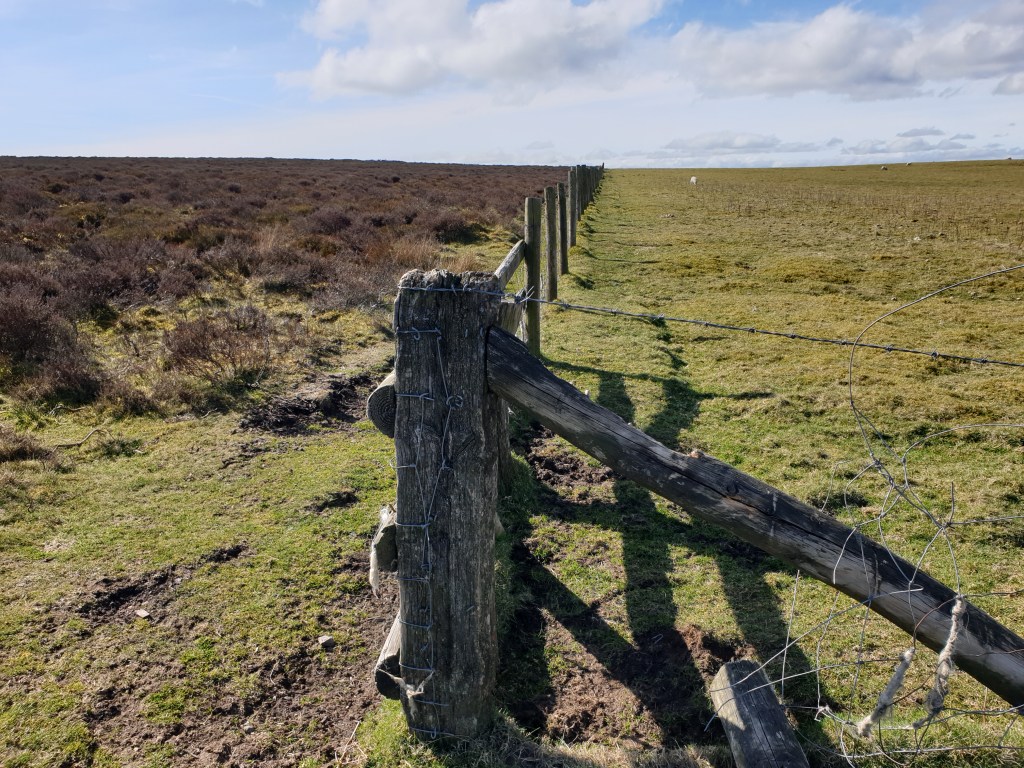
Higher up the close-cropped grass was replaced in places by heather and small boggy patches. There were signs of recent heather burning; sheep and pony grazing was also apparent. Past agricultural improvements were marked along some fencelines.


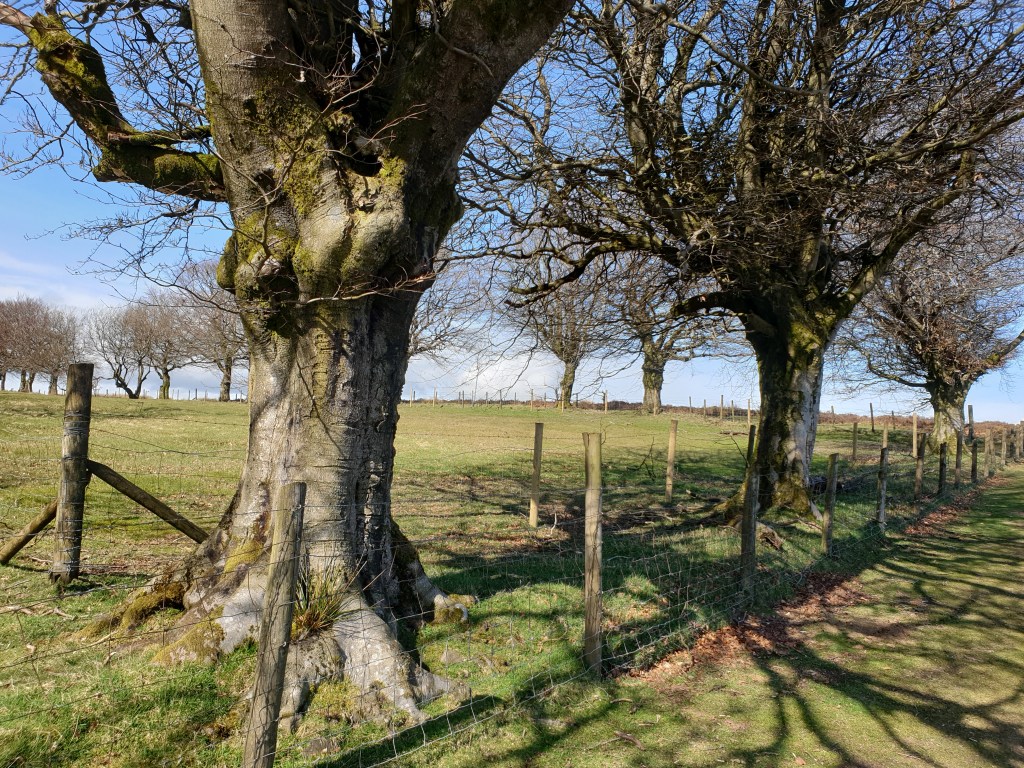
There was a distinct lack of trees and shrubs, other than gorse, on the route followed, apart from some pollard beech in an old fenced off area. Trees could eventually grow here if we reduced the burning and grazing: it would take time, but would it be a good idea? The heather would thrive initially from reduced grazing but then start to be shaded out. Birds of open upland would gradually be replaced by a less distinctive suite of woodland birds. The distant views would probably be lost. During the transition period the risk of wildfire through the leggy heather and gorse would go up considerably.

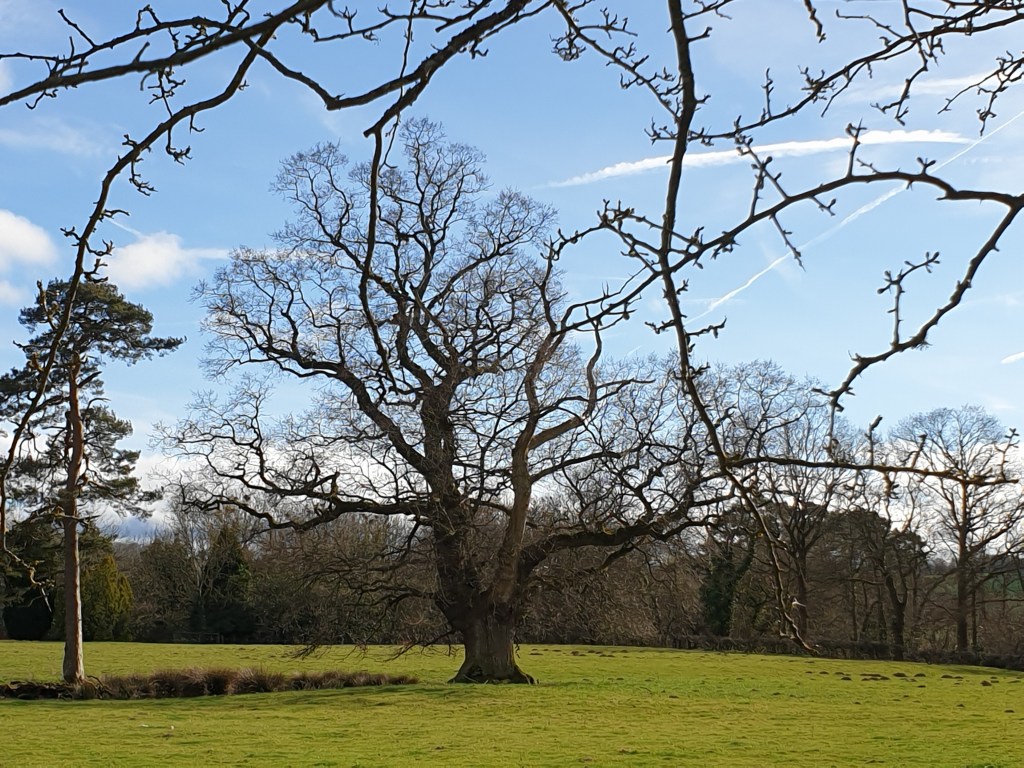
The view into the vale on the west of the ridge showed a very different landscape of fields, hedges and small strips of trees along streams. When I got down into it, there was a good scattering of large old oaks amongst them. This is even more obviously an actively managed landscape and the species in it are those that have been able to survive under farming practices. Their abundances could be increased by taking the foot off the production pedal a bit, but not too much or features such as the old oaks might get out-competed by younger tree-growth developing around them.

The reduction in food production would be greater per hectare from de-intensifying the farms in the vale compared to on the hills. As the President of the USA imposes tariffs and the world generally seems to be getting more unstable, we should be taking food security more seriously. The biggest contribution we can make is probably through changing diets and reducing waste, but thereafter is it best concentrate production on limited areas or to spread it out over wider more extensive areas? At its most simplistic, would it be better to have more trees on Long Mynd and fewer trees and hedges in the vale to compensate for lost production?
Back home, should we be growing more wild flowers for bees, or focus on vegetable production and chickens. It is not so long ago that many houses (such as the one I had in Peterborough) had a pig-sty at the bottom of the garden. Should new housing estates all have a bit of land for allotments?

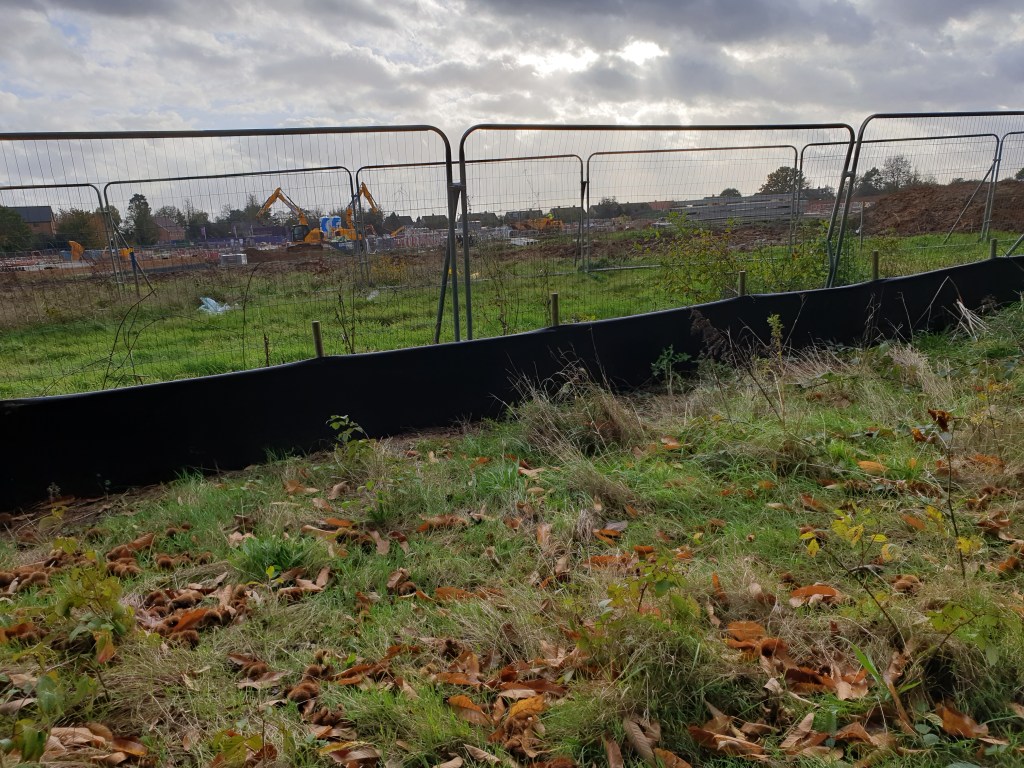
Even without political upheavals, our landscapes are going to evolve because of climate change; how do we manage that, both at global and national levels, and in the myriad of individual decisions each of us makes daily?



 The Old Man of Wytham