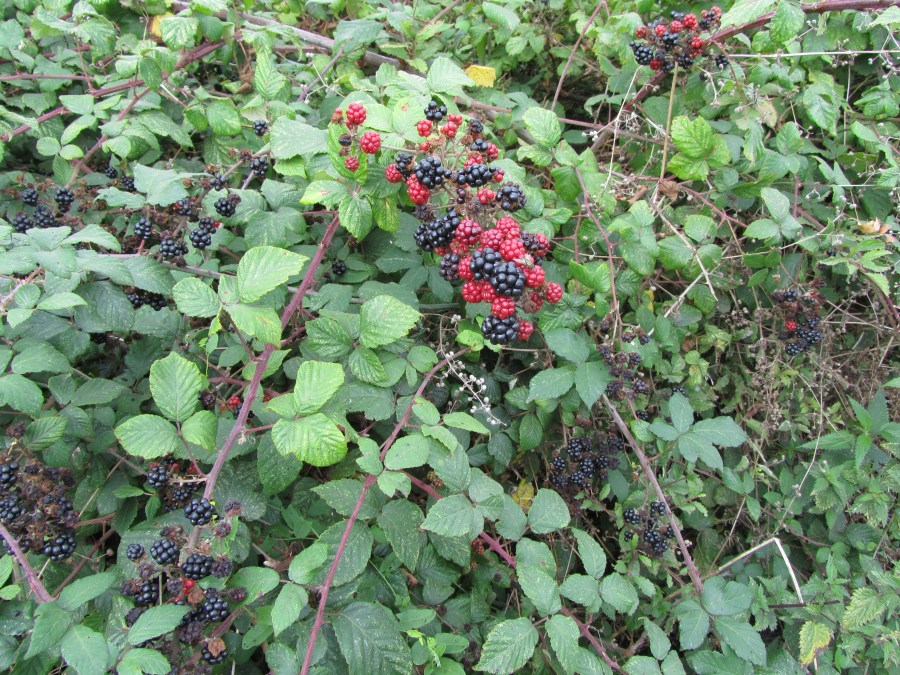
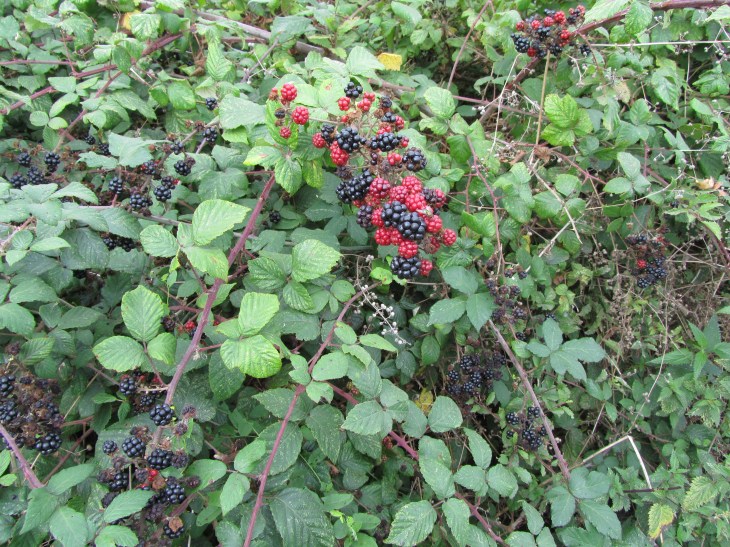
Autumn turns me into a part-time forager, raiding the blackberry bushes on my morning walk by Port Meadow. It brings back memories of the fields behind my childhood home, the overgrown hedges, with their bramble thickets. The fields sometimes also produced mushrooms, though these grew fewer over the years, perhaps because increasingly the grass crops were getting added nitrogen.
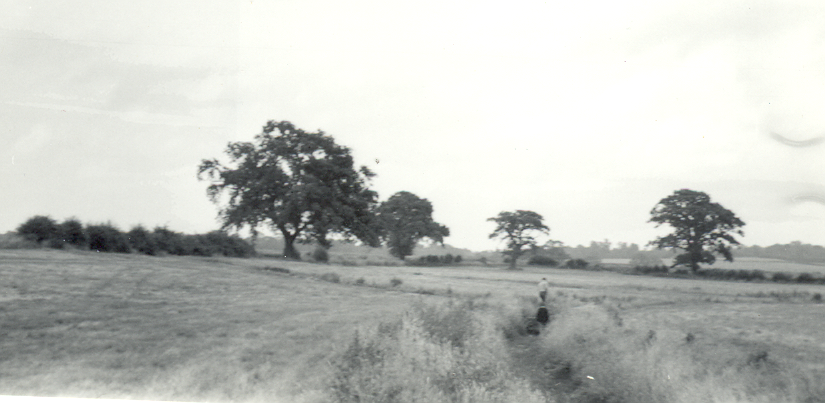
I treasure the blackberry harvest each year, but would I want to be reliant on ‘nature’s bounty’? Young nettles for soup may be around most of the time, but wild garlic leaves are only found in spring and early summer, so a varied diet would be inevitable. There are plenty of plants you can eat, and that people did used to collect regularly. Geoffrey Grigson’s The Englishman’s Flora is a testament to that. However not all are common.
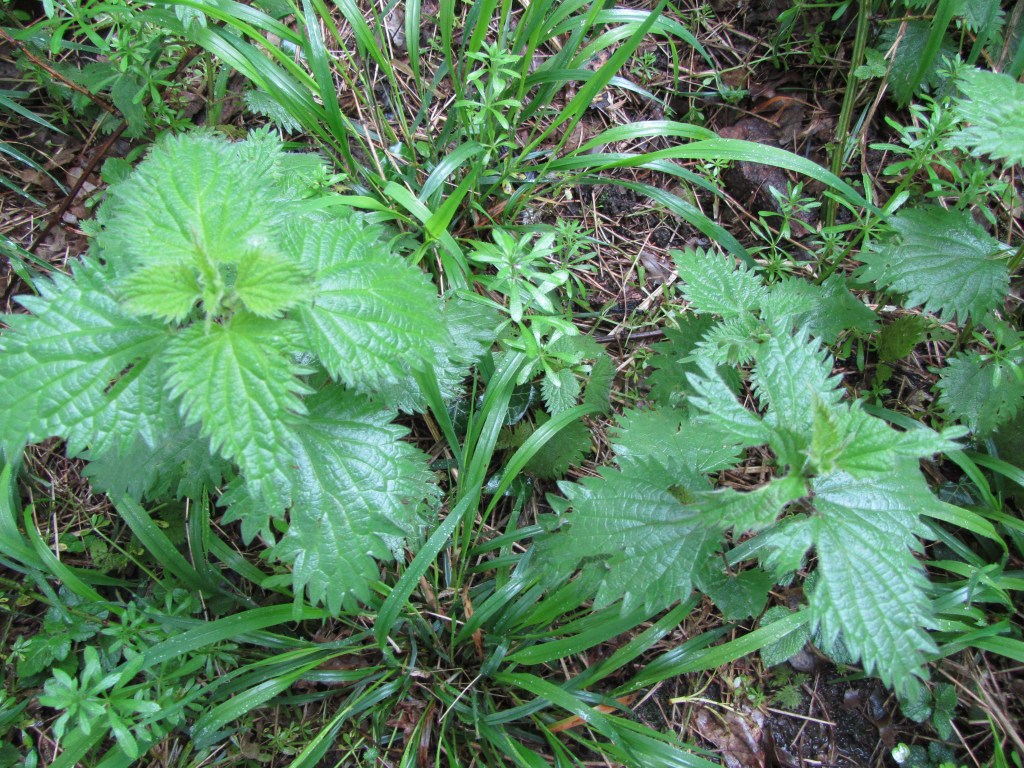
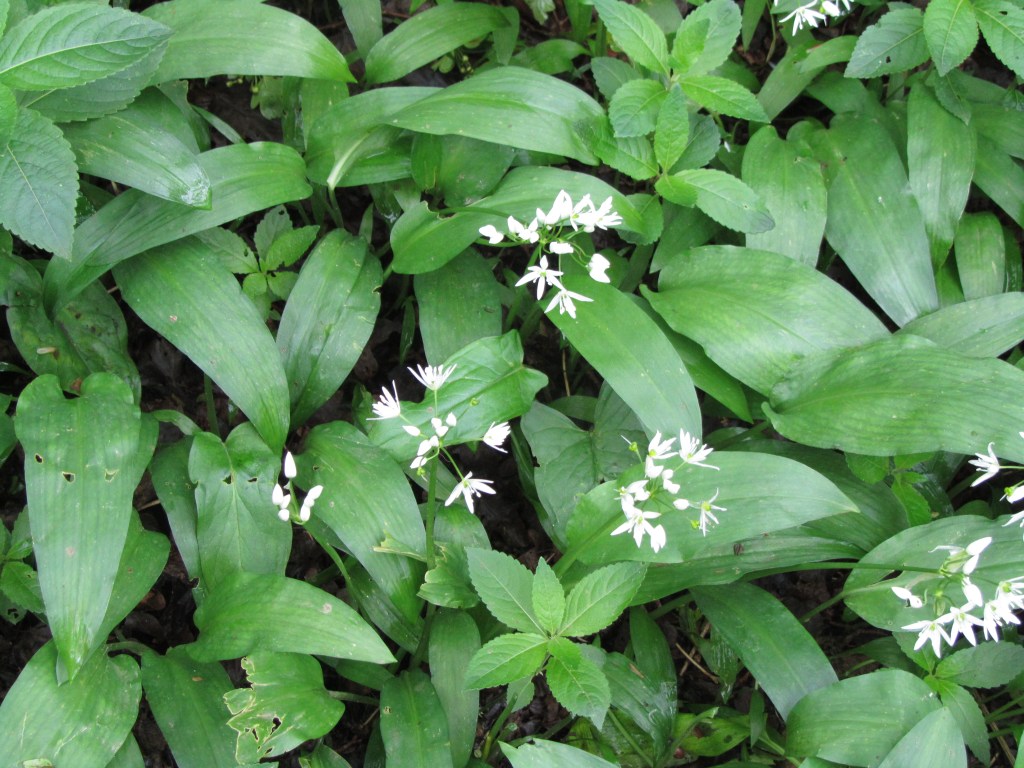
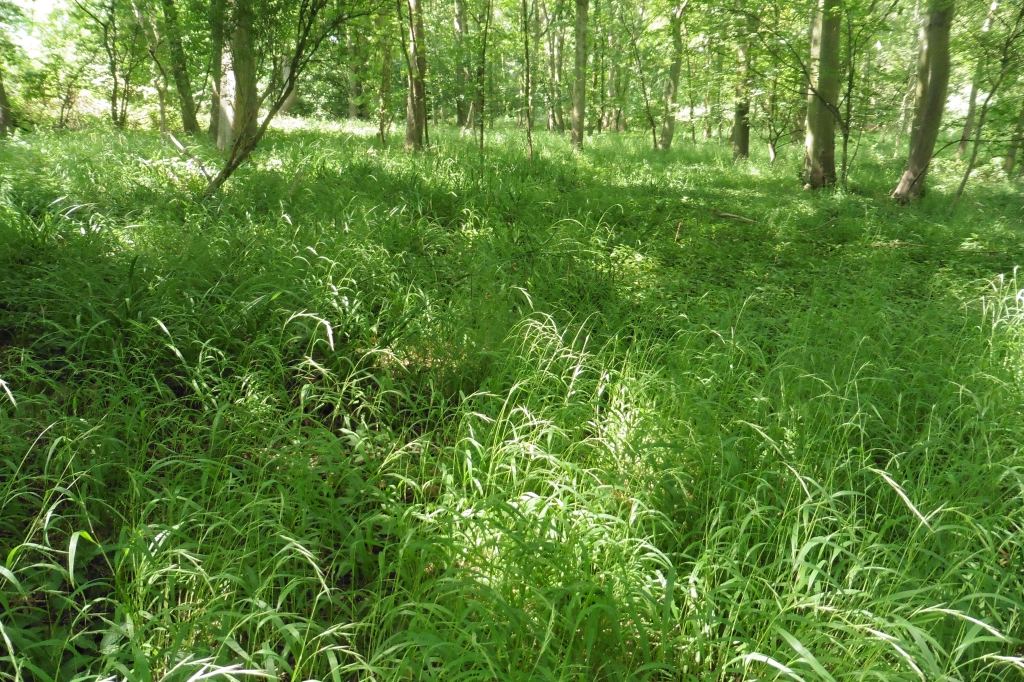
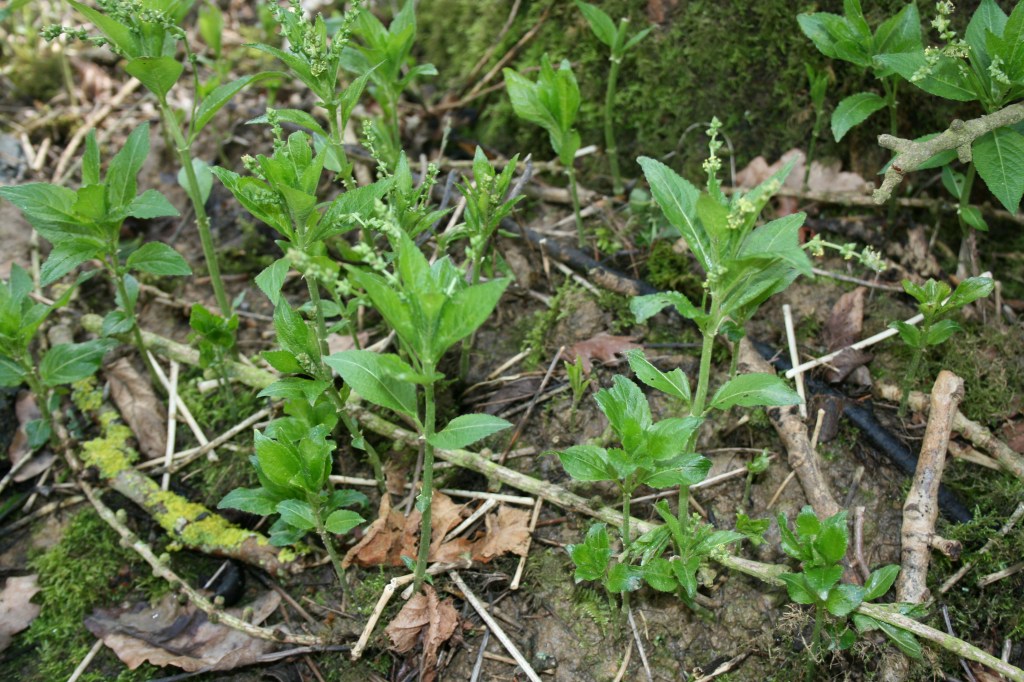
In Wytham Woods we have recorded over 200 species in the permanent vegetation plots but only about a dozen make up the bulk of the records. As well as bramble and nettles, goosegrass and even bracken have some food potential (long-term cancer risk from eating the fiddleheads may not be an issue if short-term starvation is the alternative!) – but most do not. The small seeds of the grasses (rough-stalked meadowgrass, wood false-brome, tufted hair-grass) would probably take more calories to harvest and process than they would provide; and several of the commonest herbs (dog’s mercury, bluebells) contain seriously toxic compounds.
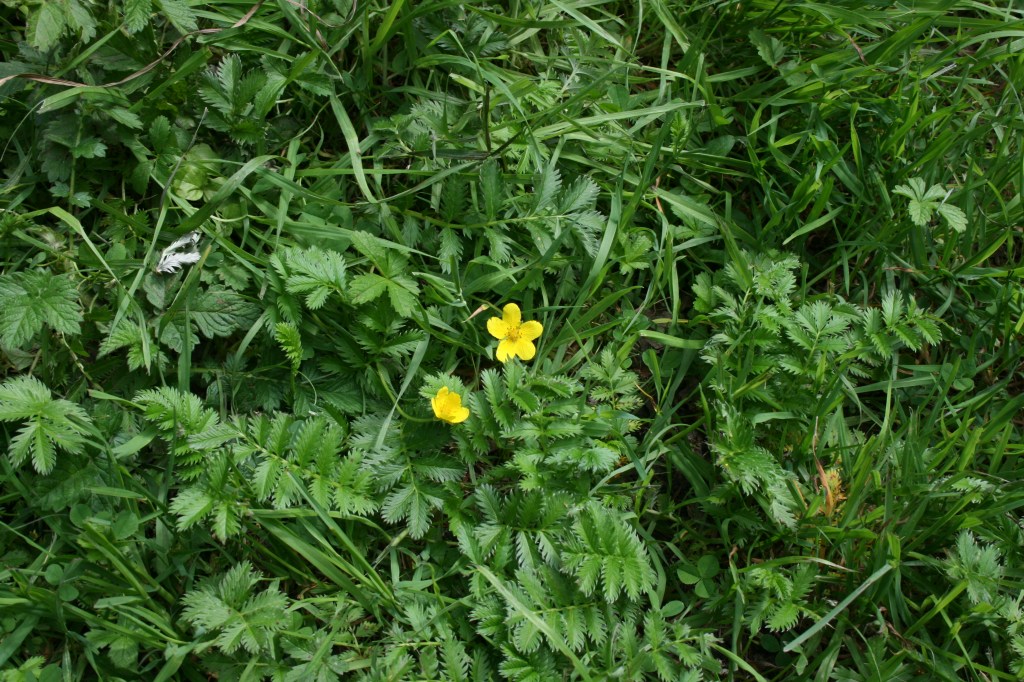
If roots are to be eaten, as with pignut or silverweed, there is a risk of depleting the supply, particularly where these grow only as scattered individuals. People in the past did make a drink (salep) from the tubers of early purple orchid, but how many plants would have to be dug up to allow me a daily mugful?

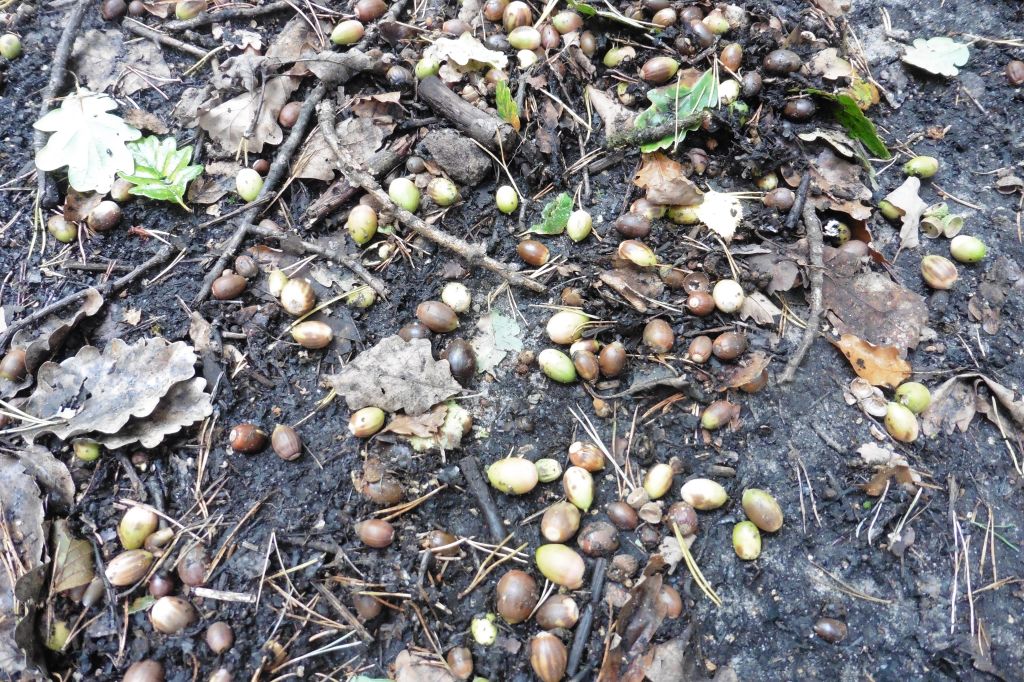
Acorns have a much greater potential to be a sustainable source of flour (and coffee) but some years there is a poor crop and in others a super-abundance. I would need somewhere dry and mouse-free to store them. Hazel nuts would also be welcome although the squirrels would probably get there first.I enjoy eating the venison that comes from the deer culled each year to keep the population under control. Perhaps if I improved my hunting techniques I could tap into another source of wild food with animal kills. There would though be the risk that hunting would drive the prey elsewhere (the idea of landscapes of fear) or in extreme cases eliminate it, as our ancestors did with the mammoths and wild ox.
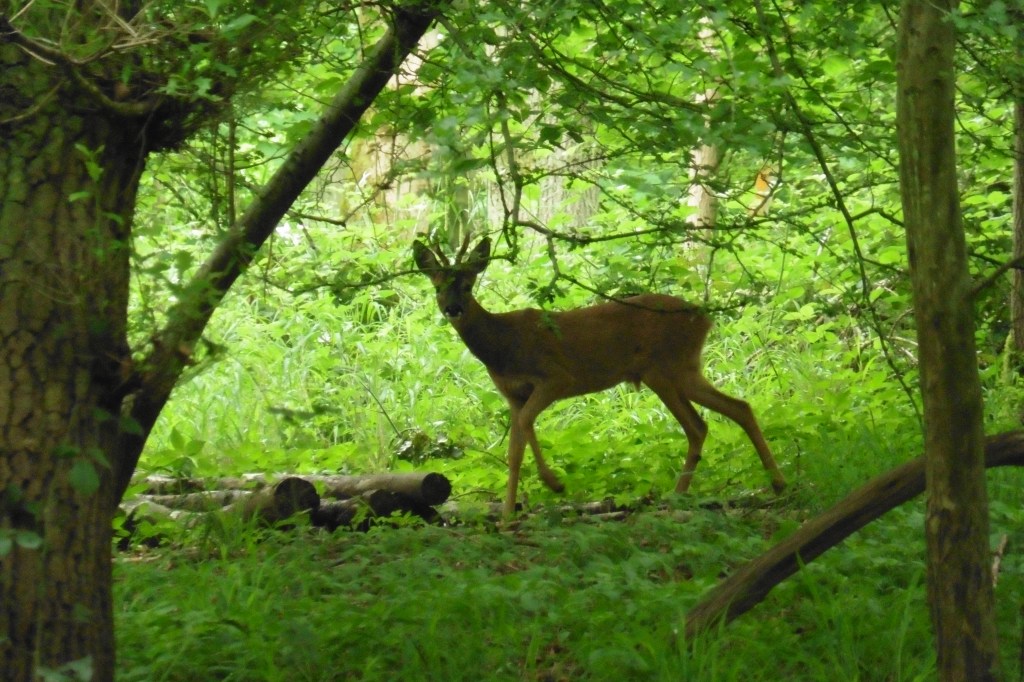
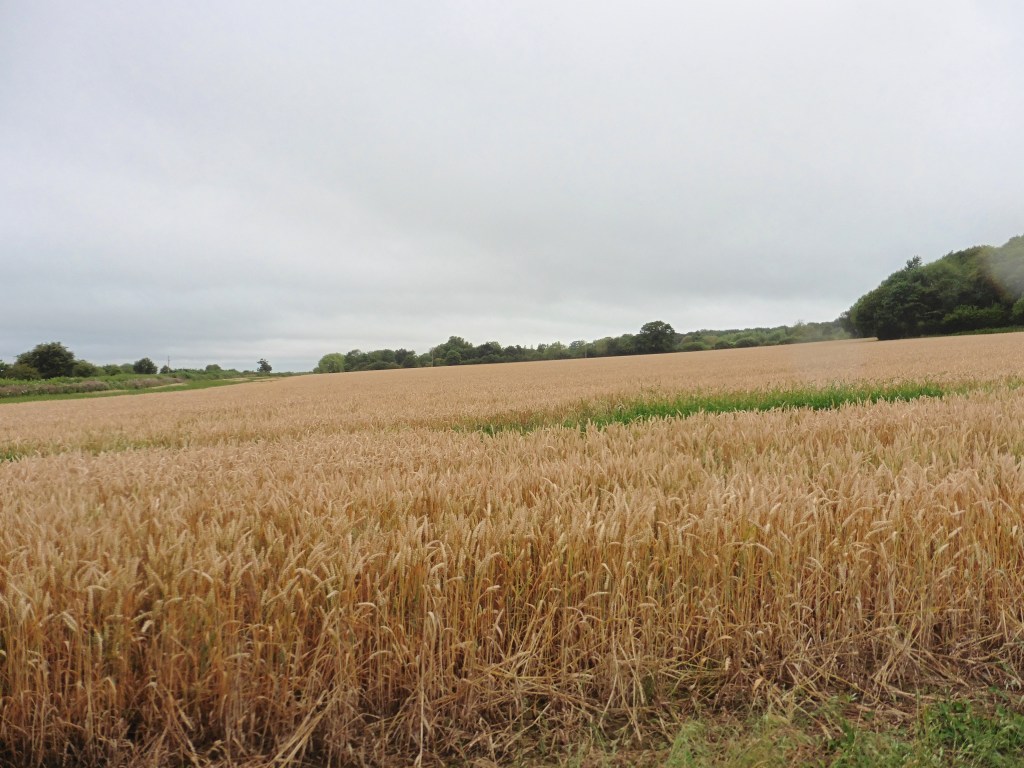
Being a ‘hunter-gatherer’ from time to time is fun, but I would not like to have to do it all the time. Moreover if everyone else had the same lifestyle there would be the serious competition for limited resources. As it is other people have started to harvest ‘my’ bramble bushes so it is taking longer to get a tubful on my morning walk. It becomes easy to see why farming and the cultivation of crops developed to provide bigger and more reliable sources of food, while a trip to the butcher’s shop is far easier than dragging a carcass from the wood. As a result we have time and energy to do other things.

 The Old Man of Wytham
Just heard ‘The Kitchen Cabinet’ on Radio 4. Several unusual and delicious recipes for brambles – although not the sort with which hunter gatherers would have been familiar
LikeLike