
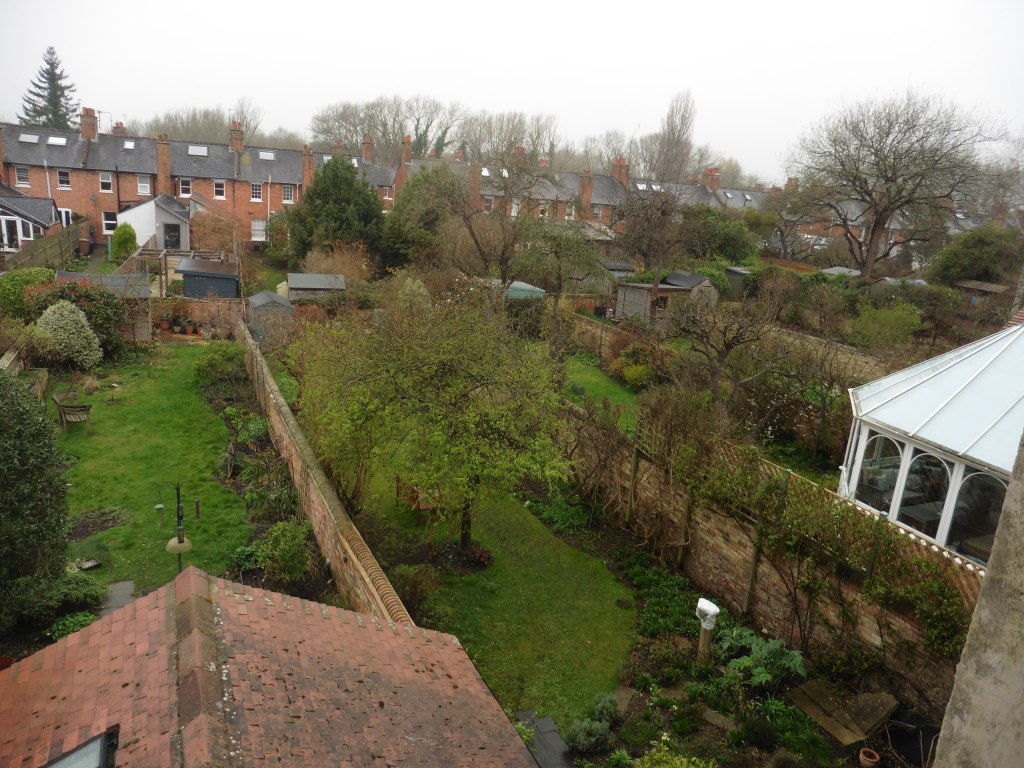
What a difference a month makes; there seems to be a much more positive feel about the country, even though all the old problems are still there. A big one for the new government is the housing question. At this point I should declare my privilege; I live in a biggish house, with a long garden, close to lots of green space and other facilities. Since I am not planning to downsize for a while yet that means I am contributing to the need for more new and affordable housing. New housing should not necessarily mean a decline in biodiversity, or food production, or recreation space, etc, if we put the houses in the right place, in the right way, but determining the right place, is not straightforward. Optimising land allocation to different uses is a wicked problem; there is not a single right answer, only lots that will satisfy some people and interests, but not all.

When Wytham Woods were left to the University of Oxford in 1942, along with the purchase of the surrounding farms, the bequest included restrictions on the development of the land. In effect about a quarter of the circumference of Oxford city became ‘green belt’ before such things were formalised in the planning system. Much of the Estate does also have a high conservation value. However, there are also blocks of arable and improved grassland, that are certainly ‘green’, but not particularly species-rich.
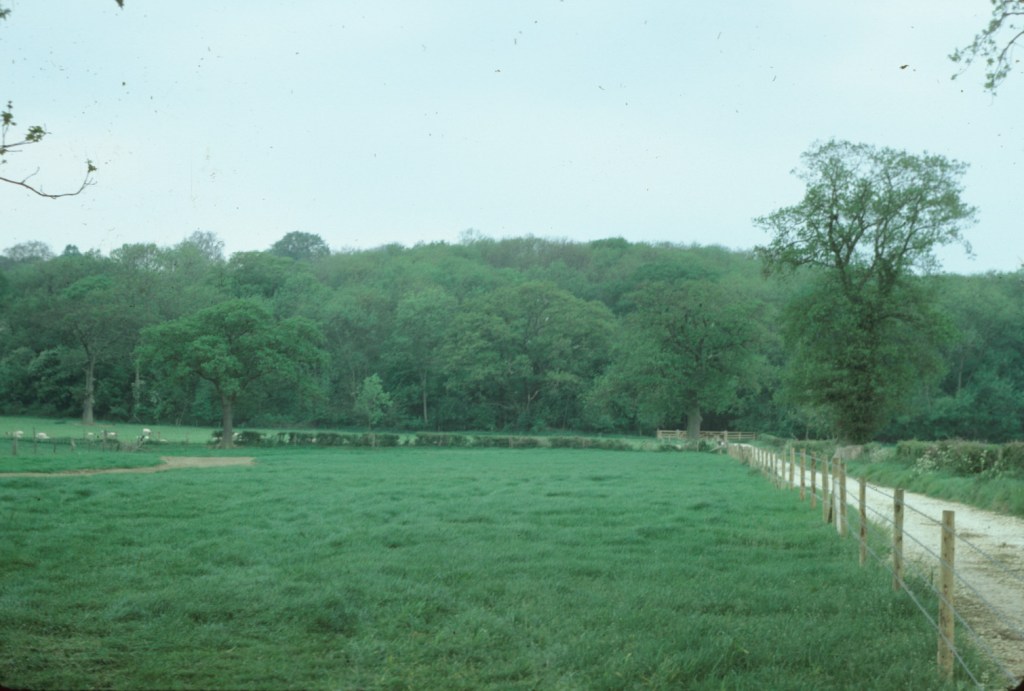
Wytham: the woods are of high conservation value, but the fields in the foreground were not when this picture was taken
The same is true for much of what did become the official green belt around Oxford and those around other towns and cities. The best bits for nature can sometimes be the more neglected areas. These may be left unimproved because of the difficulties of farming on the urban fringe (fires, vandalism, dumping), or because of the hope that they will one day be released for development. Will these be what gets classed as ‘grey belt’?
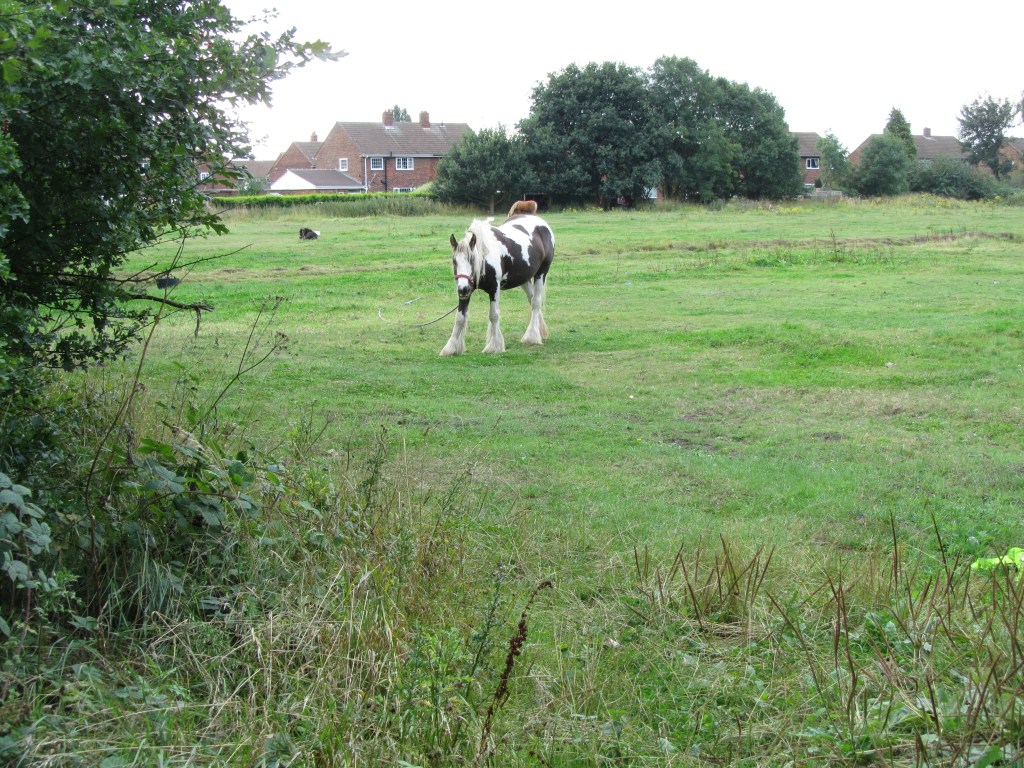
This would probably be classed as grey belt (neglected, scruffy, unmanaged land) but potentially quite species-rich.
Brownfield land can also have high conservation value: rare spiders and great crested newts do not care why there is a hot stony substrate or deep pool, just as long as it is suitable for their needs. So, it might be the lush greenest bits of the green belt that should be targeted for development, from a purely biodiversity perspective, but that is likely to create the biggest conflict with food production.

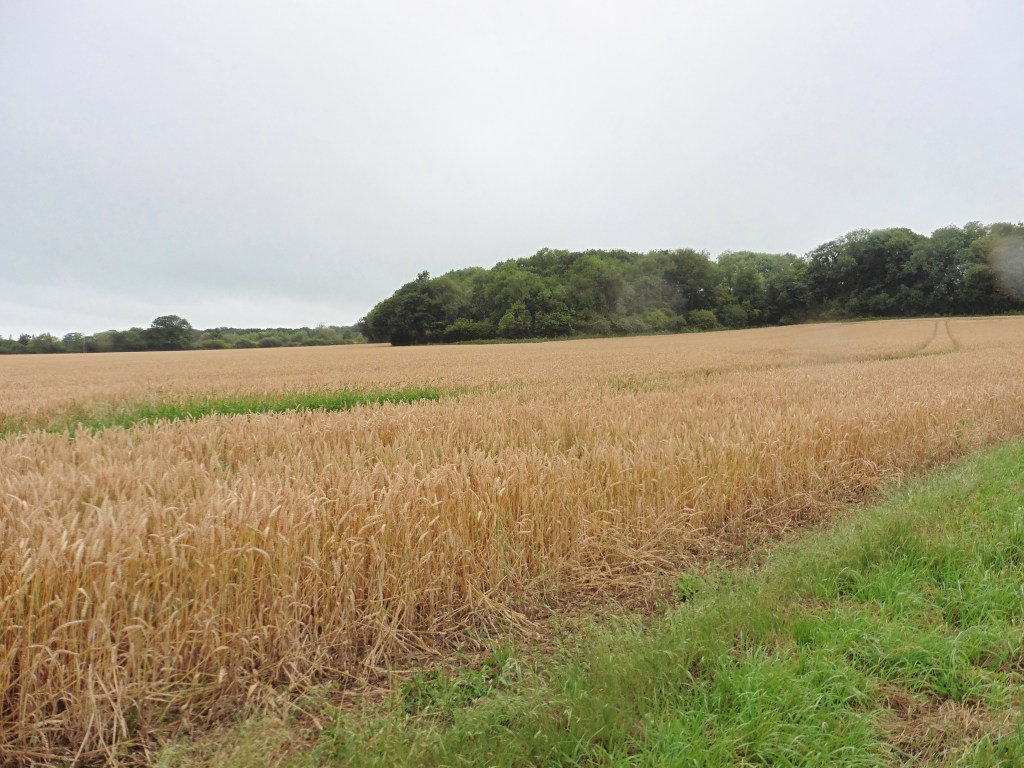
Brownfield (old inter-war derelict housing, now a wildlife site); Greenfield arable, productive but not very species-rich.
Can we develop the ideas of Biodiversity Net Gain on a bigger landscape scale? There was a recent report of a new rewilding area by the M25 (Harold Park, Essex); how many new houses is that the BNG equivalent of? Allotments can be very productive and often there is a waiting list for them: including them in developments might help offset some of the concerns about lost food production.
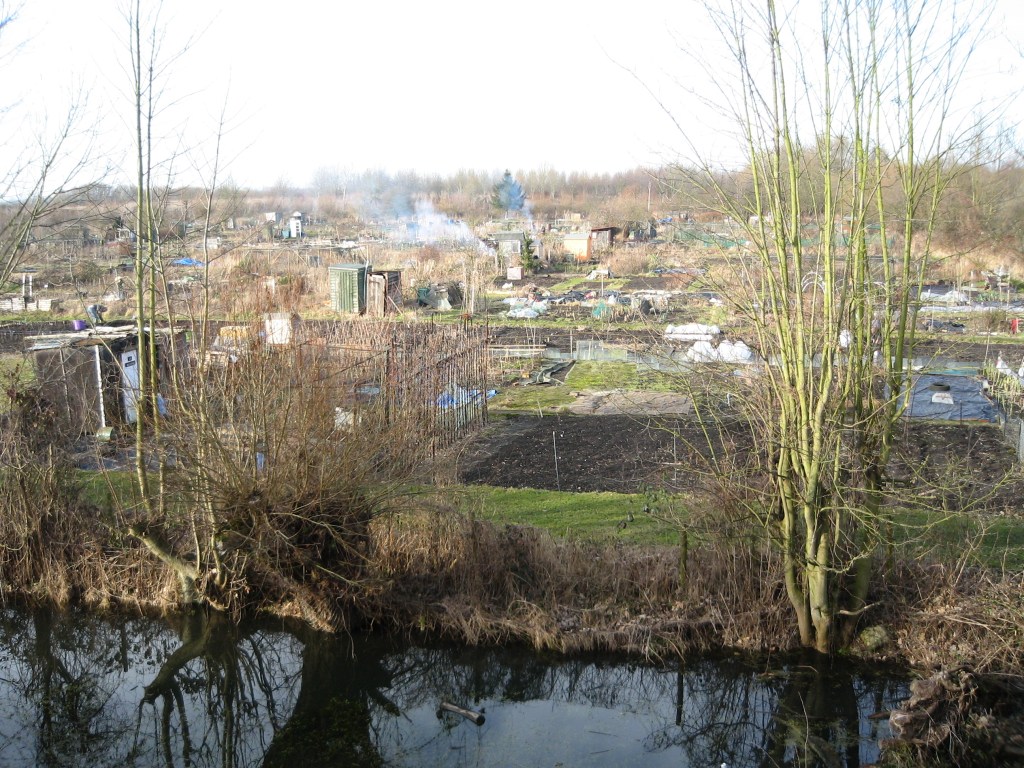
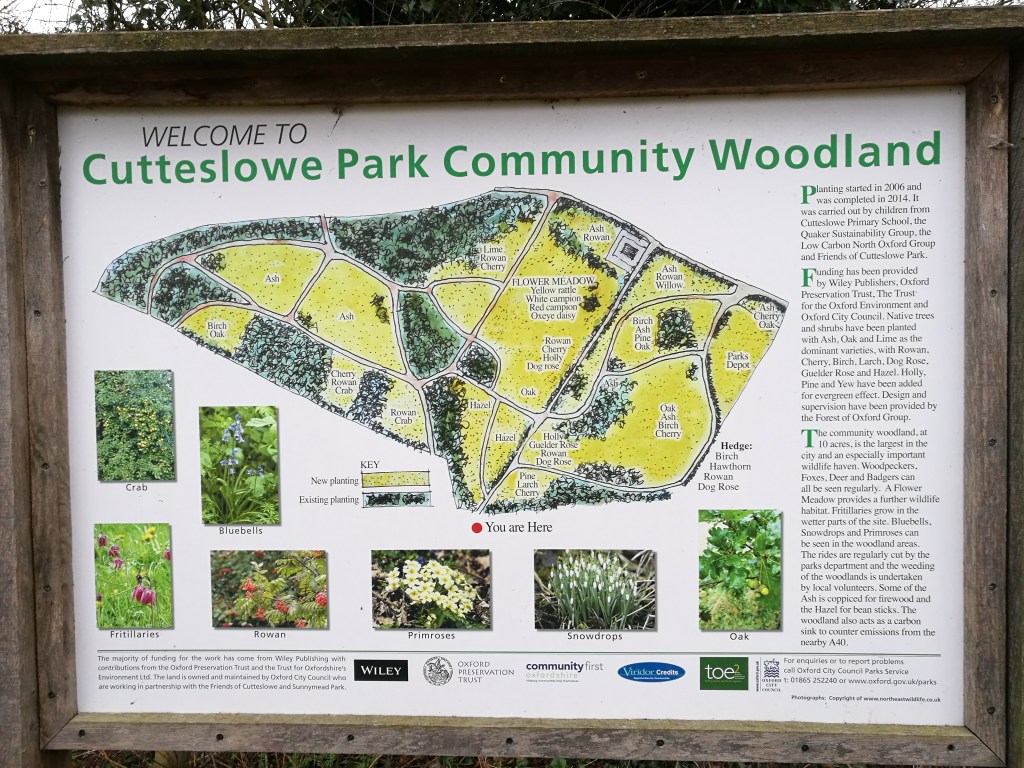
Building different forms of greenspace into new developments is a good idea; but that increases the land-take and cost.
Is it reasonable to expect the developers to pay for all the cost of green infrastructure? Currently that does not seem to be delivering what is needed. We might also turn the question round: should large-scale conservation projects also be expected to incorporate an element of sustainable housing or industrial development? The Knepp Estate successfully turned its farm buildings into offices and light industrial units; the RSPB however faces some local opposition to proposals for redevelopment of the farm buildings on the edge of its Winterbourne Downs reserve.

I can only hope that the new positive spirit lasts long enough to build new partnerships and ways of dealing with these wicked problems – I certainly do not have the answers.


 The Old Man of Wytham