
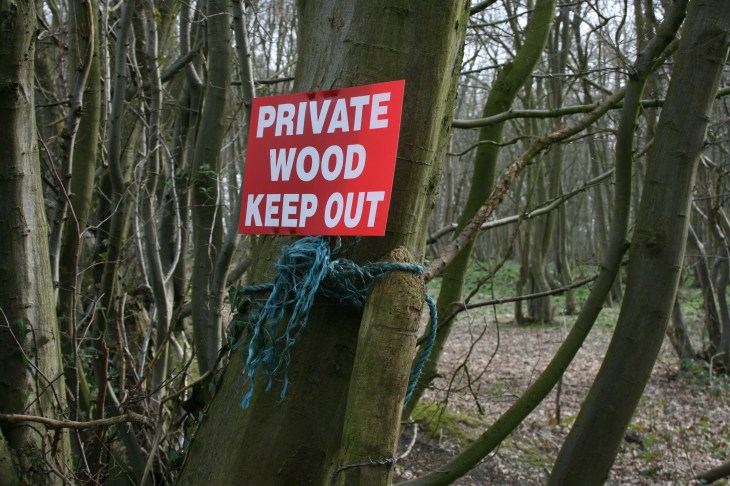
As kids we played freely in the fields and riverside behind our house – we knew the farmer that owned them, he knew us and (importantly) knew our parents to whom we would be reported if we were being a nuisance. Downstream and in the woods across the river, there was no such arrangement: we were likely to be told we were trespassing (if caught) and shown back to the footpath – our right to roam was more than most modern children experience but with limits which we and the farmers accepted as the rules of the game.

There has been talk of bringing in a general ‘right of access’ to English woodland: it has been in, currently out, of promises for the Labour Party manifesto. There is no disputing the benefits to people’s physical and mental well-being that access to greenspace and to woodland can bring. Personally I would like the right to walk in any wood I wanted, but then so could tens, hundreds, perhaps thousands of others. What would be the limits and responsibilities to go with that right?
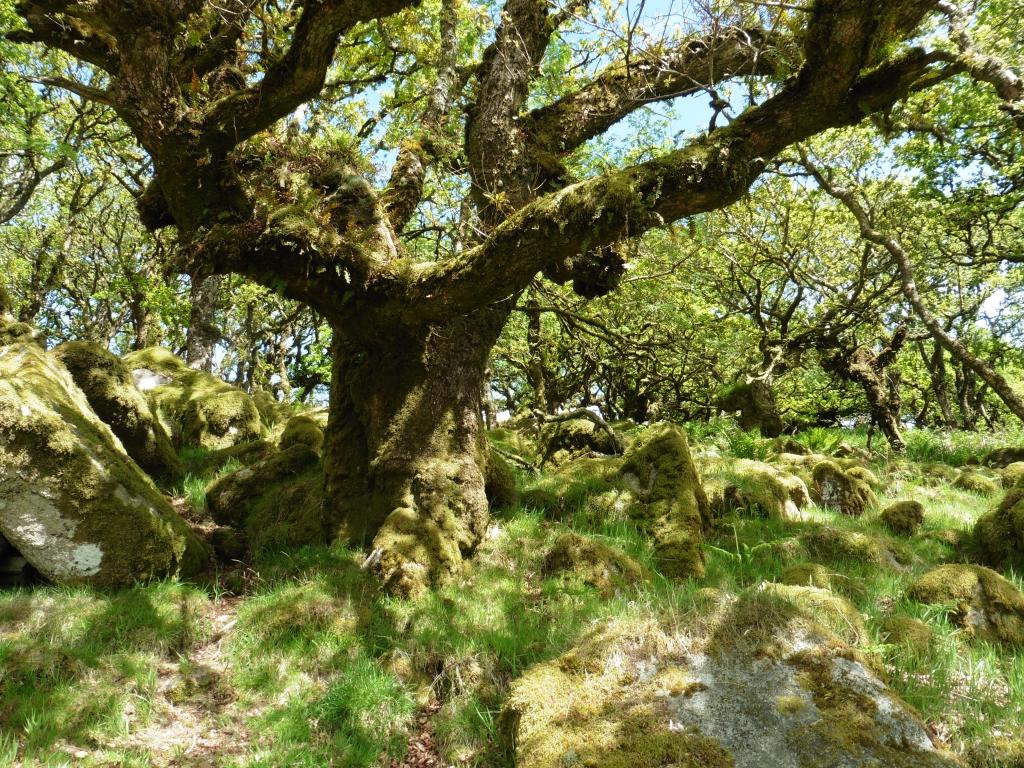
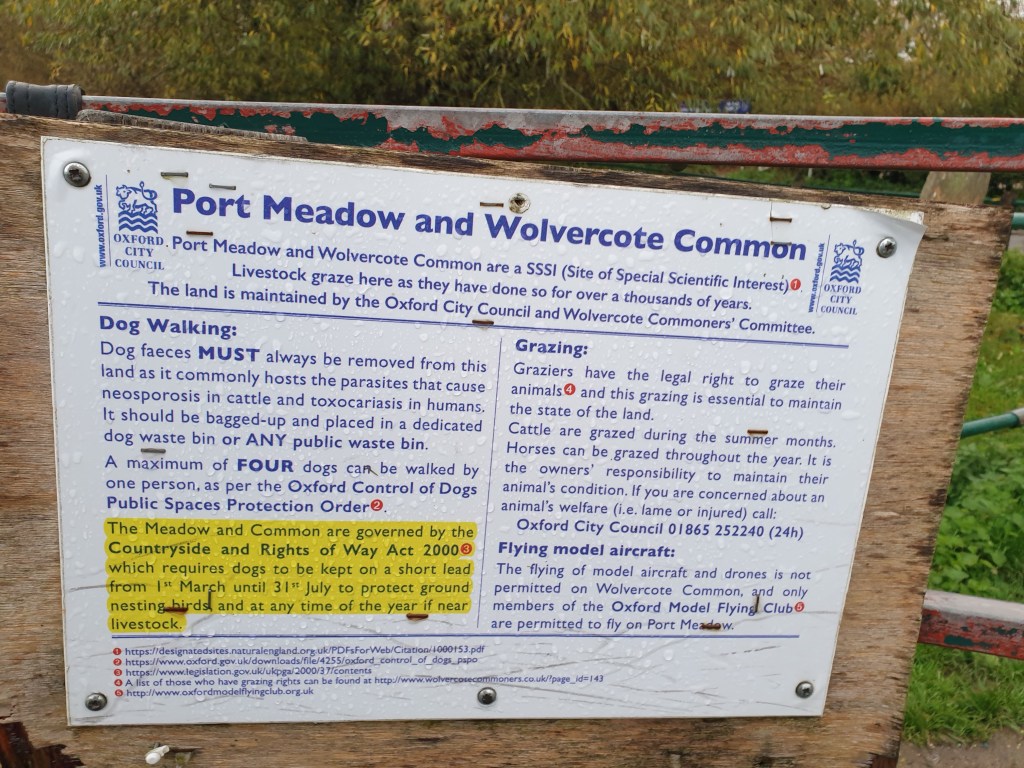
I try to have due regard to other users and usages of the wood. On a recent trip to Dartmoor, I only walked round the outside of Wistman’s Wood, because if everyone goes into the centre the moss carpets and hanging lichens for which it is famous will be damaged if not destroyed. However, one couple did start to go under the trees. Will there be scope for restricting access to very sensitive sites? Most dog owners are responsible, but a minority are not. On the common land where I walk regularly, dogs are often off-lead during the bird breeding season, despite the clear signs on the gate stating that dogs should not be let loose then. Will dog-walkers be required to keep their pets under control?
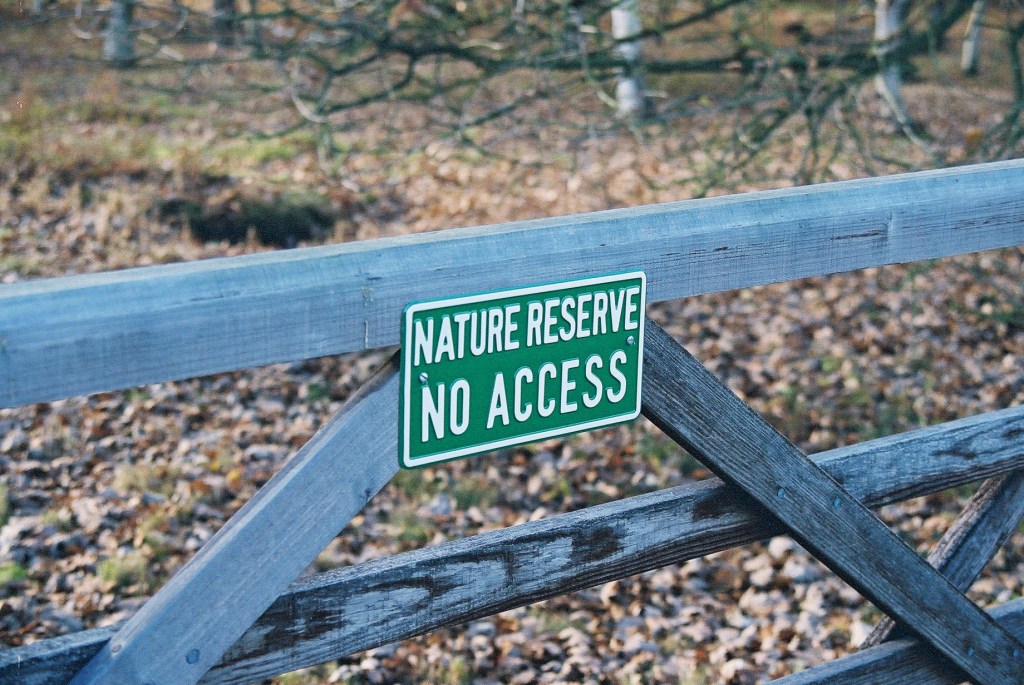
Most woods might only get a few visitors. In Scotland and much of Scandinavia the general right of access seems to work well. However the population density in England is much higher and the woodland cover less. Even if the percentage of roamers who behave badly is the same in all three countries, the impact on English sites will be higher in absolute terms. English woods will suffer more from dog faeces left in black plastic bags on trees, the unofficial paths created by walkers or mountain bikers, the general litter. What support will be given to owners/managers of woods to help deal with these issues?

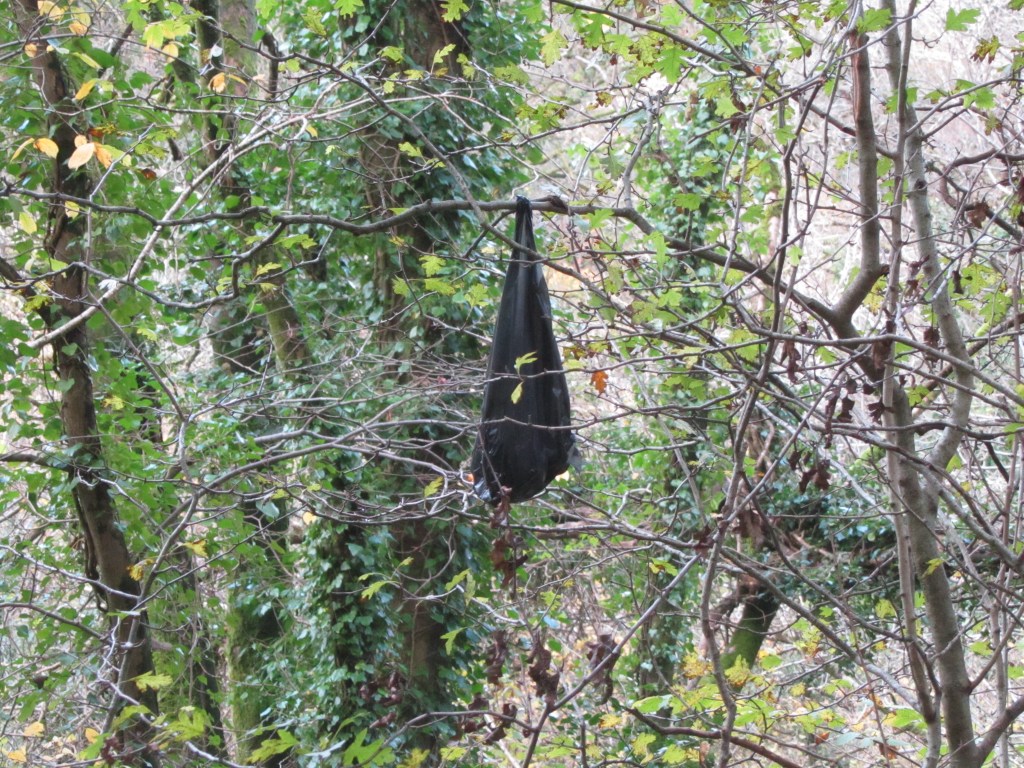

In England a lot of the woodland cover is as small blocks, surrounded by intensively managed farmland, with no easy and obvious access path to the wood. Would the right of access within a wood only apply where there was some sort of legal/reasonable access already; would it allow people to access the wood but only by a new agreed route; or cover any route a person might want to take, regardless of the nature of the land crossed? ? Can areas that have to be fenced to protect them from deer browsing be excluded, or must there be gates to allow access (climbing 2 metre deer-fences is not recommended).
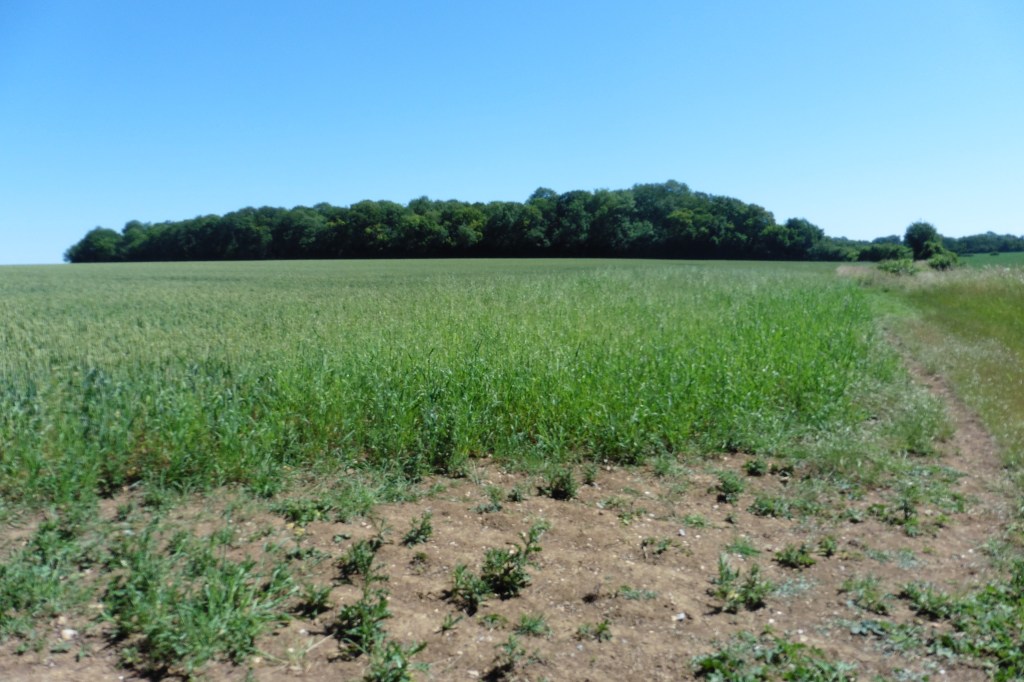

If there is a right of access to woodland, there will presumably have to be some sort of derogation on public liability for the owner, with regard to the risks from dangerous trees, trip hazards, boggy areas, etc, such as is the case for open land at present. If all woodland had to be treated as public access sites and legal rights of way are now, much of Lady Park Wood – the best documented example of natural woodland development in Britain – might have to be felled. At Wytham we can close the wood to visitors when high winds make it dangerous because of falling branches; would that still be possible; would all the standing dead oaks need to be made safe?
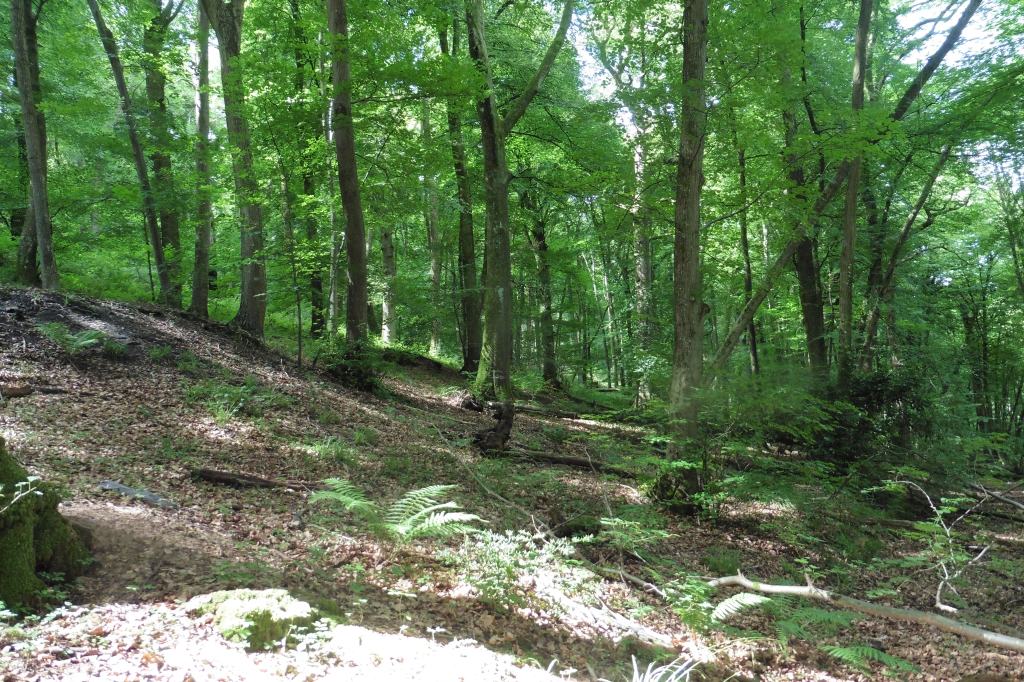

A final, but fundamental question – what counts as a wood? How big an area, what density of trees, do they have to have closed canopy or would more open wood-pasture stands be included?


I want more people to have the opportunity to be able to walk in woods close to where they live; creating new woodland with access built in from the start would help. There are also many existing woods that could be opened-up more and landowners should be helped to do this. There are good examples of woods, such as those I recently visited in London that show what can be done.


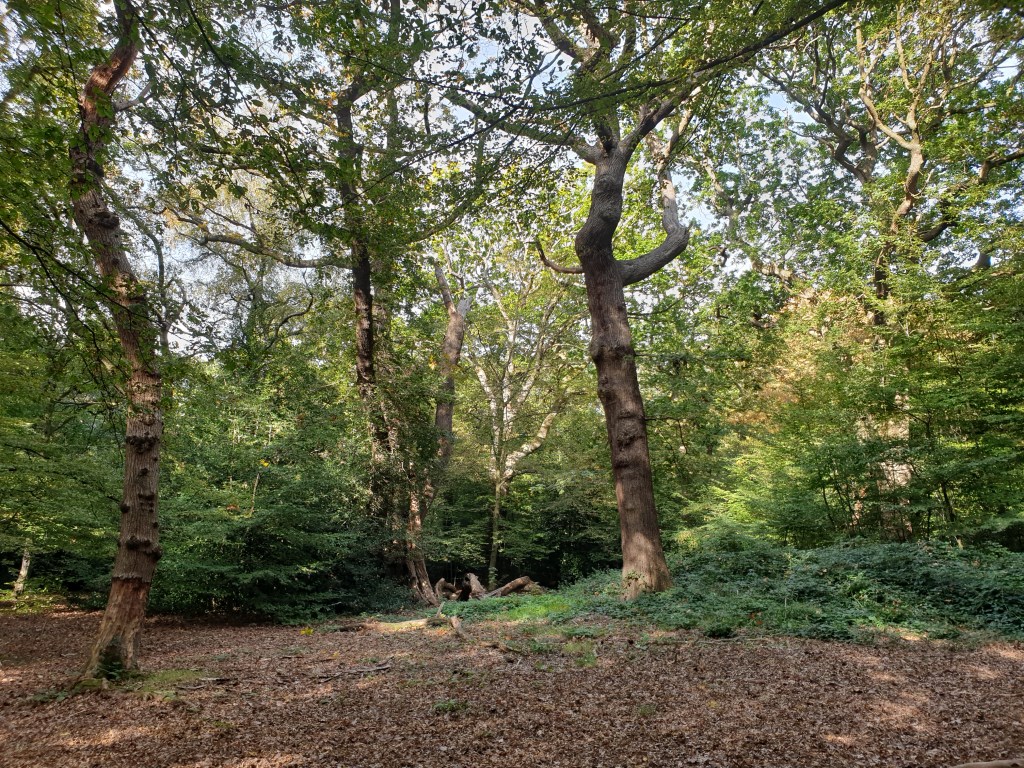
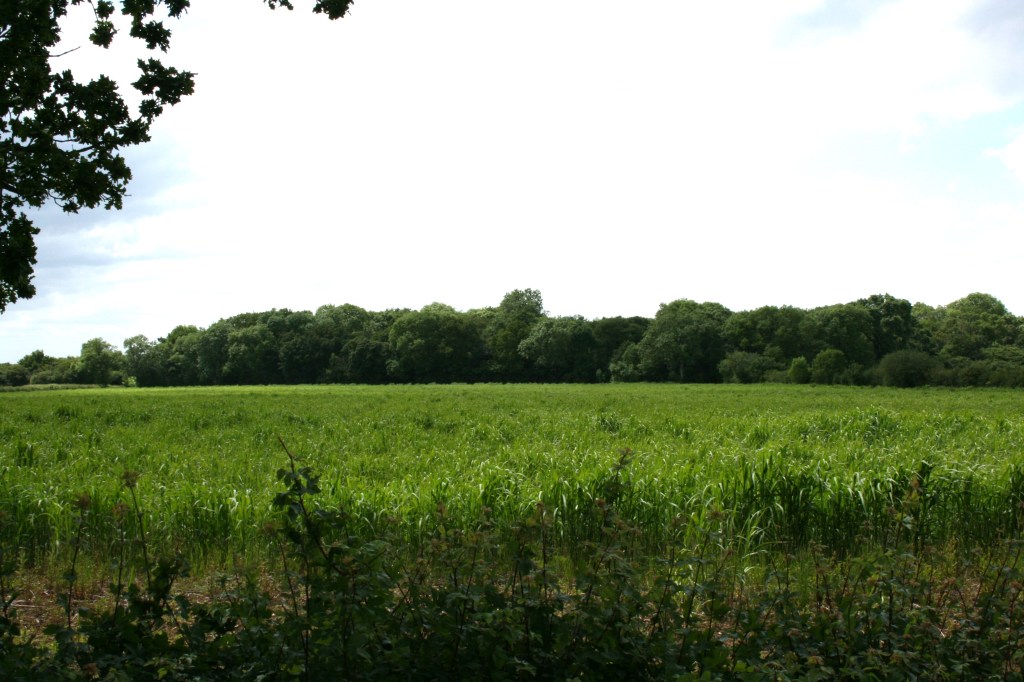
Incorporating more access in a wood is however not always straightforward and there needs to be reasonableness and responsibility on both sides. Perhaps someone has worked through the various issues above and come up with solutions. At the least I think there needs to be a lot more open discussion before any decision is reached, even though that means many woods will remain off-limits to me. I am not convinced that the simple answer of a right to access anywhere coloured green on an Ordnance Survey map would be sensible – this area is quite clearly a field of elephant grass and has not been wooded for several hundred years!

 The Old Man of Wytham